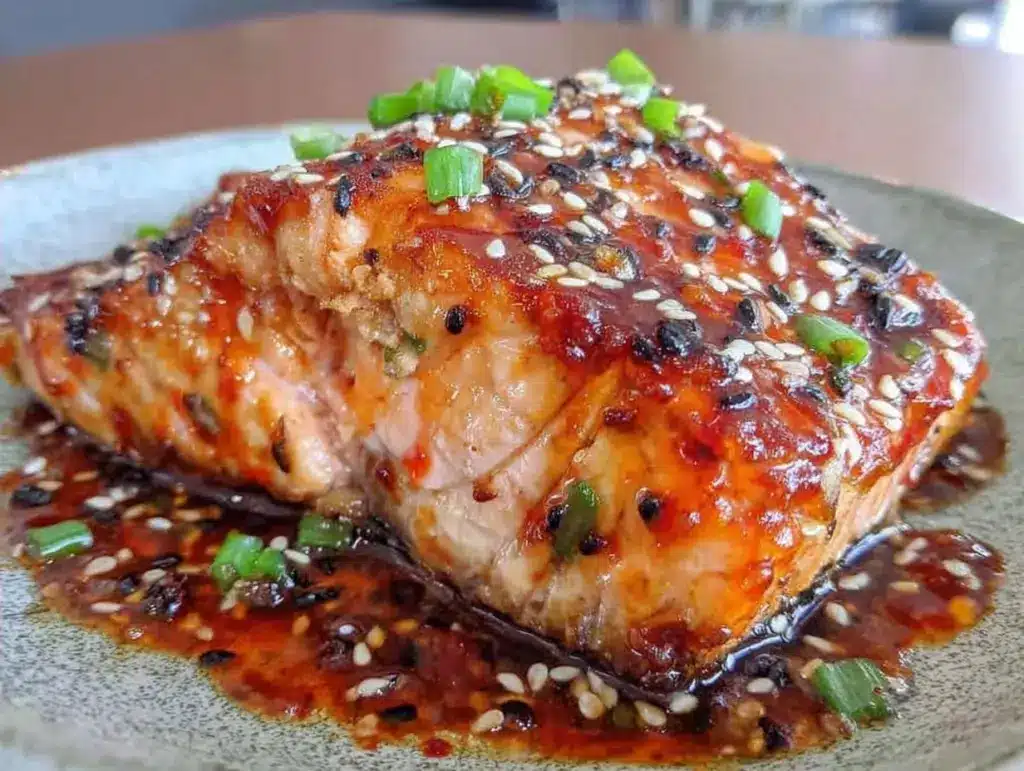
Last month, I hosted a small dinner party for some friends who are notoriously difficult to please. Not in a mean way, but they’ve eaten at Michelin-starred restaurants, traveled through Southeast Asia for street food, and generally have sophisticated palates. I was stressed. I wanted to serve something that felt special—something that screamed “I put effort into this”—but I didn’t want to be stuck in the kitchen all night while they were trying to mingle.
I had planned a complex risotto, then abandoned it. Then I thought about a roast chicken, but that felt too heavy for a spring night. That’s when I stumbled upon the idea for gochujang honey glazed salmon. It sounded like a gamble. Would the sweetness overpower the spice? Would the sauce burn? Would it look as good as it smelled?
Turns out, it was the perfect balance. The glaze caramelized into this gorgeous, sticky, mahogany-colored coating that looked like it came from a high-end sushi bar, but the flavor was pure comfort food. The heat from the gochujang cut right through the richness of the salmon, and the honey added that irresistible sweetness that makes people ask for the recipe before they’ve even finished their first bite.
My skeptical friend, Mark, took one bite, paused, and said, “Okay, this is it. This is the dinner party dish.” And honestly? He was right. It’s vibrant, it’s colorful, and it’s impossible to mess up. You don’t need to be a pro chef to make this look like you spent hours on it. In fact, the less you fuss, the better it turns out. This gochujang honey glazed salmon is my new secret weapon for impressing guests without losing my mind in the kitchen.
Why You’ll Love This Recipe
There’s a reason this dish has become my go-to when I want to feel like a culinary genius with minimal effort. It’s not just about the flavor—though that is incredible—it’s about the whole experience of making and serving it.
- It’s Visually Stunning — Seriously. The glaze turns this deep, glossy amber-red that looks professional on any plate. I’ve gotten compliments on the presentation before people even taste it. It’s a total head-turner on a dinner table.
- It’s Actually Quick — I know we always say “quick,” but this is the real deal. From fridge to plate in about 20 minutes. The salmon cooks in the oven while you whip up the glaze and prep the sides. It’s perfect for those nights when you want to eat at a reasonable hour but still want to feel fancy.
- The Flavor is Addictive — It’s sweet, spicy, salty, and umami all at once. The gochujang provides that deep, fermented kick that regular chili flakes just can’t match. The honey balances it out so it’s not burning your tongue, but it’s still got enough heat to keep you interested. It’s a flavor profile that lingers.
- It’s Forgiving — Salmon is a forgiving fish. As long as you don’t leave it in the oven for 45 minutes, it’s hard to ruin. And if you do overcook it slightly? The glaze makes it moist and flavorful, so nobody will know the difference. (I’ve made this mistake. Twice.)
- It Feels Special — Serving salmon makes you feel like you’re treating your guests. It’s a “fancy” fish, but this preparation makes it approachable. It’s not intimidating. It’s vibrant and exciting.
This is the kind of dish that makes people linger at the table. It’s rich enough to feel indulgent but fresh enough to not leave you feeling sluggish afterward. It’s the perfect centerpiece for a weekend dinner party, a romantic date night, or just a Tuesday where you want to remind yourself that cooking can be fun.
Ingredients You’ll Need
Here’s the thing about this recipe: the ingredient list is short, but the quality of a few key items matters. You don’t need a pantry full of exotic spices, but you do need the right gochujang and a good quality fish. I’m particular about these details because they make the difference between “good” and “wow.”
For the Salmon
Salmon fillets (1.5 to 2 pounds / 680-900g) — Look for center-cut fillets. They cook the most evenly. Skin-on or skin-off is your choice, but I prefer skin-on for that crispy texture, though the glaze hides it anyway. Make sure your fish is fresh—smell it. If it smells fishy, put it back. It should smell like the ocean, not a swamp.
Neutral oil (1 tablespoon / 15ml) — I use avocado oil or grapeseed oil. You need a high smoke point because we’re broiling. Olive oil can burn at high temps, so skip it here.
Salt and black pepper — Just good old kosher salt and freshly cracked pepper. Season the fish lightly before glazing.
For the Gochujang Honey Glaze
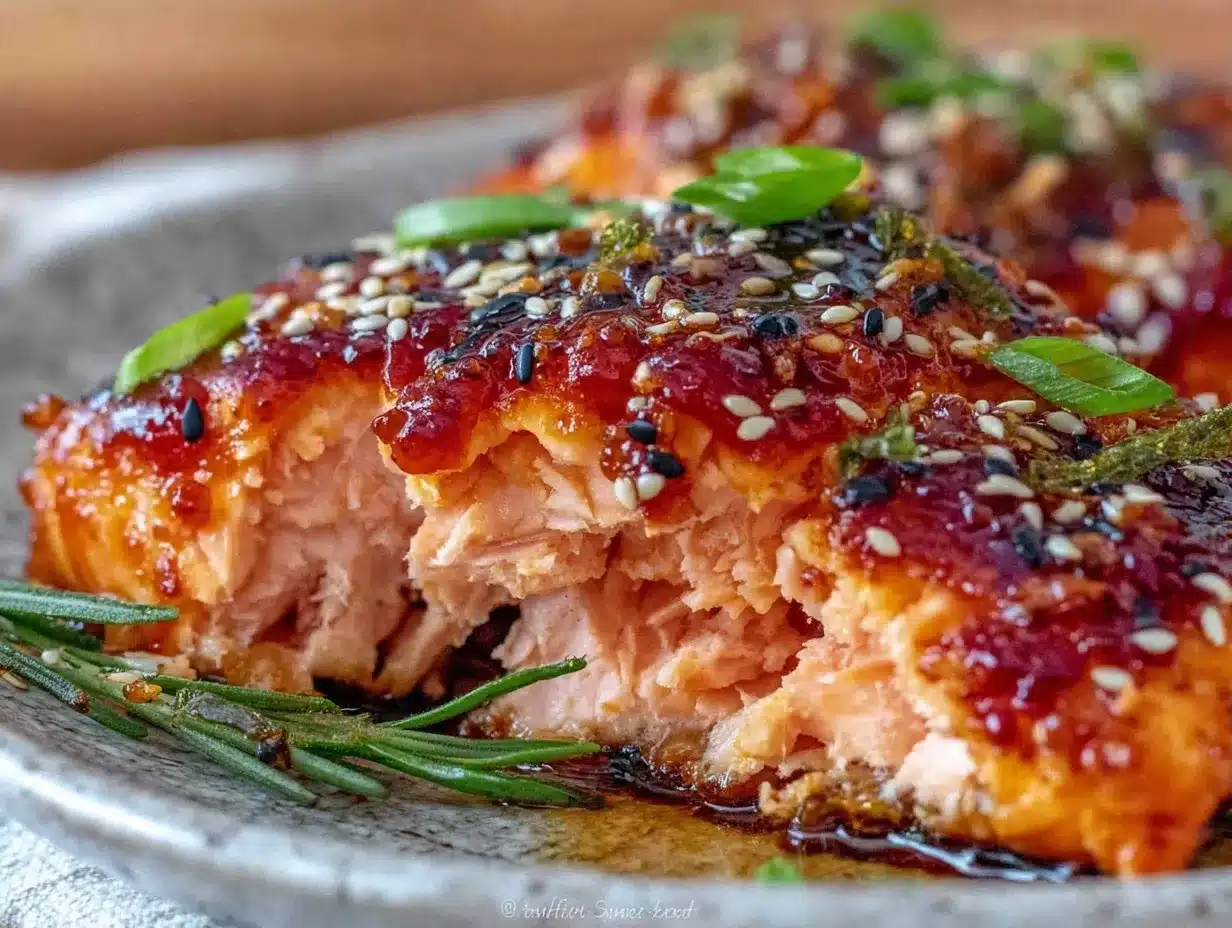
Gochujang paste (3 tablespoons / 45g) — This is the star. Go to an Asian grocery store or the international aisle of a big supermarket. Look for a brand like Maeil or Sempio. It should be thick and red, not watery. If you buy a paste that’s very thick, you might need to thin it out slightly with a teaspoon of water.
Honey (3 tablespoons / 45ml) — Use a good quality honey. Clover or wildflower works well. I’ve tried maple syrup as a substitute, but it doesn’t caramelize the same way. Honey gives it that sticky, glass-like finish.
Soy sauce (2 tablespoons / 30ml) — Low-sodium is better so you can control the saltiness. It adds the umami depth that complements the fermented gochujang. If you’re avoiding soy, coconut aminos work, but the flavor will be slightly different.
Rice vinegar (1 tablespoon / 15ml) — This cuts through the sweetness and heat. It adds brightness. Do not skip this. It’s what keeps the sauce from being cloyingly sweet.
Garlic (3 cloves, minced / about 1 tablespoon) — Fresh garlic is non-negotiable here. Jarred garlic tastes metallic and will ruin the delicate balance of the glaze. Mince it finely so it distributes evenly.
Fresh ginger (1 teaspoon, grated / about 5g) — Peeling and grating fresh ginger adds a zesty warmth that pairs perfectly with salmon. Pre-grated ginger in a tube works in a pinch, but fresh is so much better.
Sesame oil (1 teaspoon / 5ml) — Just a splash. It adds a nutty aroma that ties everything together. Be careful not to add too much, or it will overpower the fish.
For Garnish
Sesame seeds (1 tablespoon / 5g) — Toasted white sesame seeds are traditional and look beautiful. You can buy them pre-toasted, or toast them yourself in a dry pan for 2 minutes. They add a crucial textural contrast to the soft fish.
Green onions (2 stalks, thinly sliced) — For a pop of color and a fresh, oniony bite. I love the way the green contrasts with the red glaze.
Lime wedges — For serving. A squeeze of lime right before eating brightens everything up.
Equipment Needed
You don’t need a fancy kitchen for this. Here’s what I actually use, and what you can substitute.
Baking sheet — I use a standard half-sheet pan. Line it with parchment paper or aluminum foil for easy cleanup. The glaze can stick and burn, so lining is a lifesaver.
Small mixing bowl — For whisking the glaze together. Any small bowl works.
Whisk — To emulsify the honey, gochujang, and soy sauce. A fork works too, but a whisk is faster.
Pastry brush — For brushing the glaze onto the salmon. Silicone brushes are great because they’re heat-resistant and easy to clean. A regular basting brush works fine.
Oven — You’ll be using the broiler (or grill setting). Make sure your oven rack is positioned correctly—usually the top or second-from-top position for broiling.
Small saucepan — Optional. Some people like to simmer the glaze first to meld the flavors. I usually skip this and just whisk it raw, but if you want a deeper flavor, simmer it for 2 minutes first.
Cutting board and knife — For prepping the garlic, ginger, and green onions.
Microplane or grater — For the ginger. A microplane makes it super easy to get that fine grate.
How to Make It: Step-by-Step
Alright, let’s get cooking. This is easier than it looks, and the smell alone will have your guests asking questions.
Step 1: Prep the Salmon (5 minutes)
Preheat your oven to broil on high. Position the rack about 6 inches from the heating element. Pat the salmon fillets dry with paper towels. This is important—moisture is the enemy of a good glaze. If the fish is wet, the sauce will slide off. Season both sides lightly with salt and pepper.
Place the fillets on your prepared baking sheet. Don’t crowd them. Give each piece some space so the heat circulates evenly.
Step 2: Make the Glaze (2 minutes)
In your small mixing bowl, combine the gochujang, honey, soy sauce, rice vinegar, minced garlic, grated ginger, and sesame oil. Whisk vigorously until it’s smooth and well-combined. It should look like a thick, glossy sauce. If it’s too thick to brush, add a teaspoon of water.
Taste it. Does it need more heat? Add a pinch of red pepper flakes. Does it need more sweetness? Add a teaspoon more honey. Adjust to your liking, but keep it balanced.
Step 3: First Coat and Broil (5 minutes)
Brush a generous layer of the glaze over the top of each salmon fillet. You don’t need to cover the sides, just the top. Place the baking sheet in the oven on the top rack.
Broil for 5 minutes. Keep a close eye on it! Broilers vary wildly. You want the glaze to start bubbling and turning slightly caramelized, but not burn. The edges might get a little dark, which is fine.
Step 4: Second Coat and Finish (3-5 minutes)
Remove the pan from the oven. Brush another layer of glaze over the fish. This second coat builds up that beautiful, sticky finish. Return to the oven and broil for another 3-5 minutes.
Check for doneness. The salmon is done when it flakes easily with a fork and is opaque throughout. Most fillets will be done in 3-4 minutes, but thick cuts might need the full 5. Don’t overcook it! It should still be slightly juicy in the center.
Step 5: Garnish and Serve
Remove from the oven. Immediately sprinkle with toasted sesame seeds and sliced green onions. The residual heat will toast the sesame seeds slightly and release their aroma.
Let it rest for 2 minutes before serving. This allows the juices to redistribute. Serve with the lime wedges on the side.
Total time: About 15-20 minutes active and cooking.
Expert Tips & Tricks
I’ve made this enough times to know what goes wrong and how to fix it. Here’s my hard-won wisdom.
Don’t Skip the Paper Towel Step
I know it’s annoying, but drying the salmon is crucial. Wet fish = sliding glaze. I’ve had sauce pool on the pan instead of sticking to the fish because I rushed this step. Pat it dry, then pat it dry again.
Watch Your Broiler
Broilers are hot. Very hot. If your oven runs hot, check the salmon at the 3-minute mark. If the glaze is darkening too fast, lower the rack one position. Burnt gochujang tastes bitter, and you don’t want that.
Toast Your Sesame Seeds
Raw sesame seeds are fine, but toasted ones are better. Put them in a dry skillet over medium heat for 2-3 minutes, shaking constantly, until they smell nutty and turn light golden. It takes 2 minutes and elevates the dish.
Use the Right Gochujang
Not all gochujang is created equal. Some are sweeter, some are spicier. If you buy a brand that’s very mild, you might want to add a pinch of cayenne or chili flakes. If it’s super spicy, reduce the amount slightly. Taste the sauce before brushing it on.
Leftovers Reheat Well
If you have leftovers (unlikely, but possible), reheat them gently in a 350°F oven for 10 minutes. Microwave it, and the texture gets rubbery. Oven reheating keeps it moist.
Variations & Substitutions
Once you’ve mastered the basic version, here’s how you can mix it up. I’ve tried all of these.
Spicy Tofu Version
Use firm tofu instead of salmon. Press the tofu, cut into cubes, and bake at 400°F for 20 minutes before glazing. The sauce works beautifully on tofu too. It’s a great vegetarian option.
Shrimp Twist
This glaze works great on shrimp. Toss peeled and deveined shrimp in the glaze and broil for 3-4 minutes. They cook faster than fish, so watch them closely.
Miso-Ginger Variation
Swap half the gochujang for white miso paste. It adds a different kind of umami and is less spicy. Great for kids or people who don’t like heat.
Gluten-Free
Use tamari instead of soy sauce. Most gochujang is naturally gluten-free, but check the label to be sure. Some brands add wheat. This is easy to make gluten-free.
Dairy-Free
This recipe is already dairy-free, so no changes needed. It’s naturally safe for dairy allergies.
Serving & Storage
How to serve this so it looks like you tried.
Plating
I like to serve this over a bed of jasmine rice or quinoa. The glaze soaks into the rice, which is delicious. Garnish with extra green onions and sesame seeds. Add a side of steamed broccoli or edamame for color and nutrition.
Wine Pairing
A crisp Riesling or a dry Rosé works well. The sweetness in the wine complements the honey, while the acidity cuts through the spice. If you’re drinking beer, a lager or a light IPA is great.
Storage
Store leftovers in an airtight container in the fridge for up to 3 days. The fish will keep well, and the flavors actually meld together overnight.
Reheating
Reheat in the oven at 350°F for 10-12 minutes. Avoid the microwave if you can. It makes the fish tough. If you must microwave, do it in 30-second intervals and cover it with a damp paper towel to keep it moist.
Freezing
I don’t recommend freezing cooked salmon. The texture changes. If you want to prep ahead, you can marinate the raw salmon in the glaze (without the sesame oil) and freeze it for up to a month. Thaw in the fridge before cooking.
Nutrition Information
I’m not a nutritionist, but here’s the breakdown if you’re tracking. This is per serving (based on 4 servings).
- Calories: 320
- Protein: 34g
- Carbs: 12g
- Fiber: 0g
- Sugar: 10g
- Fat: 14g
- Saturated Fat: 3g
- Cholesterol: 85mg
- Sodium: 580mg
It’s high in protein and omega-3s, which is great. The sodium is moderate, mostly from the soy sauce and gochujang. If you’re watching sodium, use low-sodium soy sauce and rinse the gochujang slightly (though it loses flavor).
This is comfort food with a kick. It’s not a diet meal, but it’s nutritious if you eat it in moderation. Pair it with vegetables to balance the meal.
Final Thoughts
So that’s my gochujang honey glazed salmon. It’s become a staple in my rotation because it’s so easy to make but looks so impressive. I love that it’s colorful and vibrant, and that the flavor is complex but approachable. It’s the kind of dish that makes people feel special, and it makes me feel like a good host.
If you make this, I want to hear about it. Did your guests love it? Did you add extra ginger? Did you use it on tofu? Let me know in the comments. And if you’re looking for more easy dinner party ideas, check out my crispy garlic chicken or my lemon herb roast chicken for more crowd-pleasers.
Happy cooking! And I hope your kitchen smells amazing.
Frequently Asked Questions
Q: How spicy is gochujang?
A: It varies by brand, but it’s generally medium heat. It’s more fermented and savory than just “hot.” If you’re sensitive to spice, start with 2 tablespoons and add more to taste. You can also reduce the amount of gochujang and add more honey.
Q: Can I use regular chili paste instead of gochujang?
A: Not really. Gochujang is fermented and has a unique depth of flavor. Chili paste (like sambal oelek) is just chili and vinegar. It won’t give you the same rich, umami taste. I’d recommend finding gochujang—it’s worth the trip to the store.
Q: How do I know when the salmon is done?
A: The best way is to check the internal temperature. It should reach 145°F (63°C). If you don’t have a thermometer, look for opacity. The flesh should be opaque throughout and flake easily with a fork. If it’s still translucent in the center, give it another minute.
Q: Can I make this in advance?
A: You can prep the glaze ahead and store it in the fridge for up to a week. You can also marinate the salmon in the glaze for up to 2 hours before cooking. Don’t leave it longer than that, or the acid in the vinegar and soy sauce can start to “cook” the fish.
Q: What sides go well with this?
A: Jasmine rice is classic. Quinoa is a healthier option. Steamed broccoli, bok choy, or edamame are great vegetable sides. A simple cucumber salad with vinegar dressing also works well to balance the richness.
Q: Can I use frozen salmon?
A: Yes, but you need to thaw it completely first. Press out as much water as possible with paper towels. Frozen salmon can be watery, which affects the glaze. Thaw it in the fridge overnight for best results.
Pin This Recipe!

Gochujang Honey Glazed Salmon
- Total Time: 20 minutes
- Yield: 4 servings 1x
Description
A quick and impressive 20-minute dinner party dish featuring salmon fillets coated in a sticky, sweet, and spicy gochujang honey glaze, broiled to perfection.
Ingredients
- 1.5 to 2 pounds salmon fillets (center-cut, skin-on or skin-off)
- 1 tablespoon neutral oil (avocado or grapeseed)
- Kosher salt and freshly cracked black pepper
- 3 tablespoons gochujang paste
- 3 tablespoons honey
- 2 tablespoons low-sodium soy sauce
- 1 tablespoon rice vinegar
- 3 cloves garlic, minced
- 1 teaspoon fresh ginger, grated
- 1 teaspoon sesame oil
- 1 tablespoon toasted white sesame seeds
- 2 stalks green onions, thinly sliced
- Lime wedges for serving
Instructions
- Preheat oven to broil on high and position the rack 6 inches from the heating element.
- Pat salmon fillets dry with paper towels and season lightly with salt and pepper.
- Place fillets on a parchment-lined baking sheet, ensuring they are not crowded.
- In a small bowl, whisk together gochujang, honey, soy sauce, rice vinegar, garlic, ginger, and sesame oil until smooth.
- Brush a generous layer of glaze over the top of each salmon fillet.
- Broil for 5 minutes, watching closely to prevent burning.
- Remove from oven, brush with a second layer of glaze, and return to oven.
- Broil for another 3-5 minutes until salmon is opaque and flakes easily with a fork.
- Remove from oven, sprinkle with toasted sesame seeds and sliced green onions.
- Let rest for 2 minutes before serving with lime wedges.
Notes
Ensure salmon is completely dry before glazing to help the sauce stick. Watch the broiler closely as it can burn quickly. For a gluten-free version, use tamari instead of soy sauce. Leftovers can be reheated in a 350°F oven for 10 minutes.
- Prep Time: 5 minutes
- Cook Time: 15 minutes
- Category: Main Course
- Cuisine: Korean Fusion
Nutrition
- Serving Size: 1 fillet per serving
- Calories: 320
- Sugar: 10
- Sodium: 580
- Fat: 14
- Saturated Fat: 3
- Carbohydrates: 12
- Protein: 34
Keywords: gochujang, honey glazed salmon, quick dinner, dinner party recipe, broiled salmon, spicy salmon, easy seafood, korean inspired


