I still remember the exact moment I knew I had to stop ordering takeout. It was a rainy Saturday night in Chicago, the kind where the wind howls against the window and you just want to curl up with something warm and complicated. I ordered what I always ordered: Pad Thai. Thirty minutes later, the box arrived. It was lukewarm. The noodles were clumped together in a soggy, sad mess. The sauce tasted like it had been sitting in a delivery bag for an hour, sweet and flat, with no real tang to wake up my palate. I took one bite, pushed the box away, and felt that familiar pang of disappointment. I knew there had to be a way to make this better at home. I didn’t want to spend hours at a wok station. I just wanted that restaurant magic—the crunch, the snap, the perfect balance of sweet, sour, salty, and spicy—without the grease or the wait.
So, I did what any obsessive home cook does: I started testing. And testing. And testing. I burned garlic. I overcooked the rice noodles into mush. I used the wrong vinegar and ended up with something that tasted more like salad dressing than Thai street food. But somewhere around attempt number seven, I cracked the code. It wasn’t about fancy ingredients or expensive equipment. It was about the sauce. That specific, complex tamarind-based sauce that coats every noodle in a glossy, amber glaze. Once I nailed that ratio, everything else fell into place. Now, this Restaurant-Style Pad Thai with Tamarind Sauce is my go-to for dinner parties. It’s the dish that makes people ask, “Did you order takeout?” when the answer is a resounding, “Nope, I made this in my kitchen.” It’s vibrant, it’s shareable, and it tastes like a vacation. If you’re ready to impress your friends (or just treat yourself to the best bowl of noodles you’ve ever had), let’s get cooking.
Why You’ll Love This Recipe
There are about a dozen reasons I keep coming back to this Pad Thai recipe, but let’s be real—it’s not just because it’s delicious. It’s because it solves the “what’s for dinner” dilemma with style. Here’s why this version has earned a permanent spot in my rotation:
- It Tastes Like a Restaurant Secret — The key is that tamarind sauce. It’s not just sweet and sour; it’s deep, funky, and complex. When you get that balance right, it hits every taste bud. My guests always comment on how “authentic” it tastes, and honestly? It’s better than most Thai spots in town.
- It’s Faster Than Delivery — I know, I know. Cooking Thai food sounds intimidating. But once you prep your ingredients (which takes about 15 minutes), the actual cooking is a whirlwind. You’re looking at 20 minutes of active wok time. That’s faster than waiting for a driver to find your apartment.
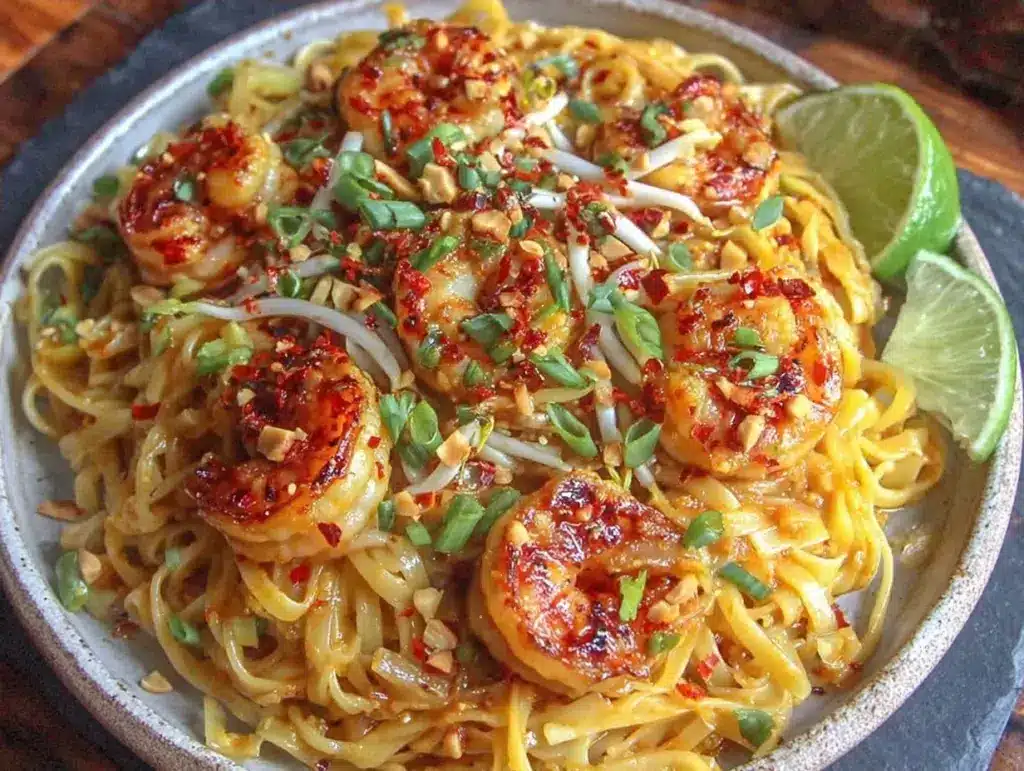
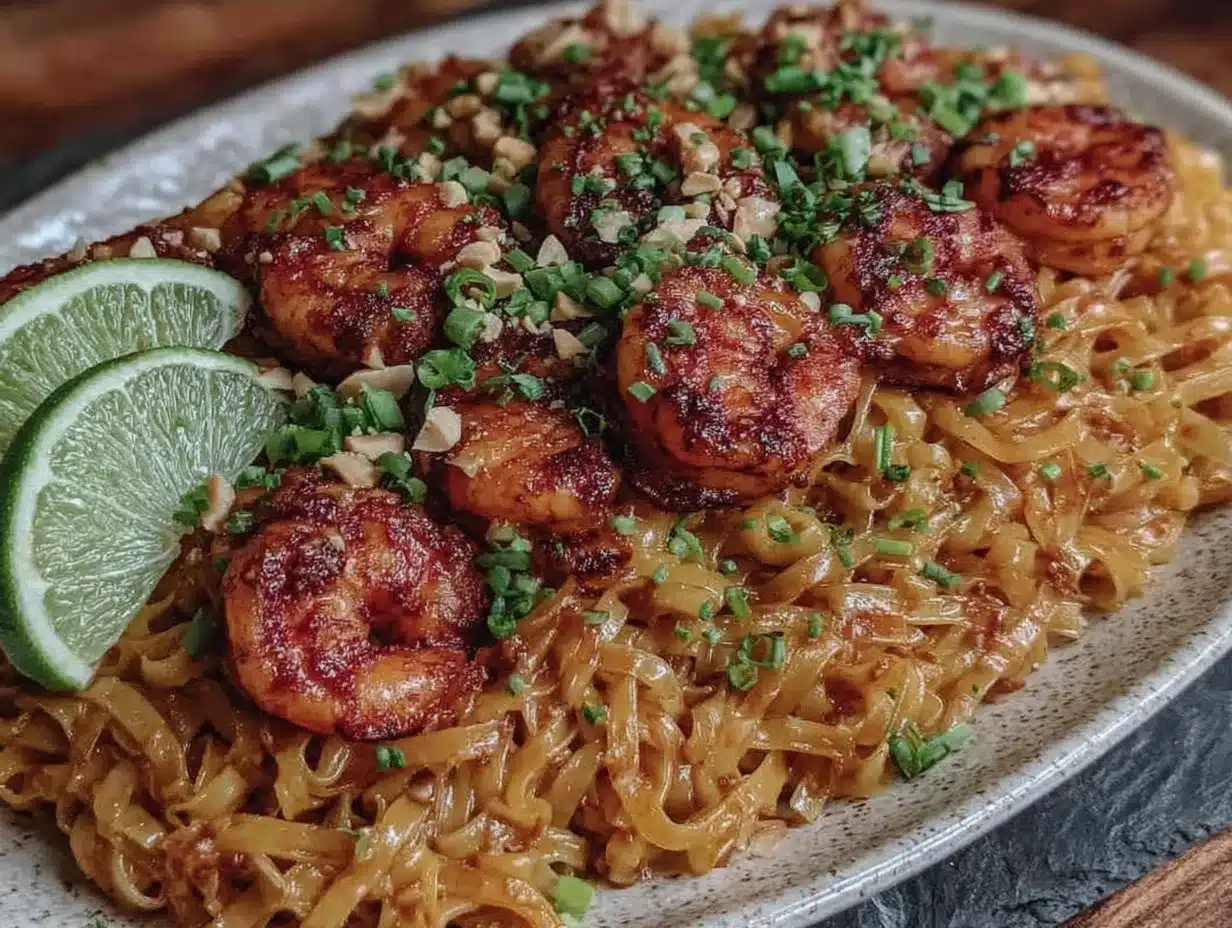
- It’s a Visual Showstopper — Pad Thai is Instagram gold. The bright red chili flakes, the crushed peanuts, the lime wedges, the vibrant green onions. It looks so colorful and inviting on the table. It feels special, like you went to all this effort, even though it’s basically just stir-frying.
- It’s Customizable for Every Guest — Got a vegetarian? Skip the shrimp, add extra tofu. Love it spicy? Add more chili flakes. Hate bean sprouts? Leave them out. This recipe is a blank canvas. I’ve made this for picky eaters and food snobs alike, and everyone leaves the table happy.
- It Uses Simple Ingredients — You don’t need a trip to a specialty Asian market for everything. Most of this is pantry staples. The tamarind paste might be the only “specialty” item, but trust me, once you buy it, you’ll use it for everything. It’s worth having in your cupboard.
This is my favorite way to entertain. It’s interactive (let people add their own toppings), it’s flavorful, and it doesn’t require you to stand in the kitchen all night. You can prep the sauce and chop the veggies while chatting with your guests, then just whip it together at the last minute. It’s the ultimate crowd-pleaser.
Ingredients You’ll Need
Here’s the thing about Pad Thai: the magic is in the sauce. If you get the sauce right, even simple ingredients taste incredible. I’m particular about a few things here, and I’ll tell you exactly why. Don’t skip the details!
For the Pad Thai Noodles
Rice noodles (8 ounces / 225g) — Look for flat rice noodles, about 1/4 inch wide. Sometimes labeled as “medium” or “wide” rice sticks. Do not use the thin vermicelli noodles; they get mushy too fast. Brands like Thai Kitchen or Mandhani work well. The texture is everything here.
Vegetable oil (3 tablespoons) — I use a neutral oil like canola or grapeseed. It has a high smoke point, which is crucial for a hot wok. Olive oil will burn and taste bitter.
Eggs (2 large) — Scrambled into the noodles. I like to push them to the side of the wok and scramble them quickly so you get little fluffy curds. Free-range eggs taste richer, but any large eggs work.
Garlic (4 cloves, minced) — Fresh is non-negotiable. Jarred garlic has a metallic taste that ruins the delicate balance of this sauce. Mince it fine so it disperses evenly.
Firm tofu (1 block / 14oz, cubed) — Even if you’re not vegetarian, I recommend tofu. It soaks up that sauce beautifully and adds a nice texture contrast. Press it first to remove excess water, or it will steam instead of fry.
Shrimp or chicken (8 ounces / 225g) — I usually use a mix, but shrimp is traditional. Peel and devein them, and keep them small. If using chicken, slice it thin against the grain so it cooks fast.
Dry roasted peanuts (1/2 cup, crushed) — For the topping and the stir-in. Buy them plain and crush them yourself. Pre-crushed peanuts often taste stale and lack that fresh, nutty crunch.
Bean sprouts (2 cups) — Fresh, crisp bean sprouts are essential. They add a raw crunch that contrasts with the soft noodles. Buy them fresh, not the bagged stuff that’s been sitting for days.
Green onions (3 stalks, sliced) — White and green parts separated. I cook the whites for flavor and save the greens for garnish. It’s a small detail, but it looks pro.
Lime (1 large, cut into wedges) — For squeezing over the top at the end. The acid brightens everything up.
For the Tamarind Sauce
Tamarind paste (3 tablespoons) — This is the star. Buy concentrate paste, not the sweetened syrup. Look for it in the international aisle or an Asian market. It’s sour and tangy. If you can’t find it, you can substitute with lemon juice and brown sugar, but it won’t be the same.
Brown sugar (3 tablespoons) — Light or dark brown sugar both work. Dark sugar adds a deeper molasses note. This balances the sourness of the tamarind.
Fish sauce (3 tablespoons) — The salty umami backbone. Use a good quality fish sauce like Squid Brand or Red Boat. It smells strong but tastes savory and delicious in the dish.
White vinegar (1 tablespoon) — Rice vinegar works too, but white vinegar gives that sharp, clean tang that traditional Pad Thai has.
Chili flakes (1 teaspoon) — Adjust to taste. I like a little kick, but start with less if you’re sensitive to heat.
Water (2-3 tablespoons) — To thin the sauce to the right consistency. It should be like a thin syrup.
Optional Add-ins
Red bell pepper (1, thinly sliced) — Adds color and a sweet crunch. I love the visual pop it gives.
Carrots (1 small, julienned) — For extra sweetness and texture. Thin matchsticks work best.
Cilantro (1/4 cup, chopped) — For garnish. Some people love it, some hate it. Have it on the side.
Equipment Needed
You don’t need fancy gadgets, but you do need the right tools. Here’s what I actually use:
- Wok or large skillet — A carbon steel wok is ideal because it heats evenly and has high sides. But a large non-stick skillet works too. Just make sure it’s big enough to toss the noodles without spilling.
- Large bowl — For soaking the noodles. It needs to be big enough to hold the noodles and water.
- Small bowl — For mixing the sauce. Having the sauce ready before you start cooking is crucial.
- Sharp knife and cutting board — For chopping veggies and tofu. A sharp knife makes julienning carrots and slicing chicken much easier.
- Measuring cups and spoons — For the sauce. Precision matters here because the balance of sweet, sour, and salty is delicate.
- Chopsticks or spatula — For stirring and tossing. Chopsticks give you better control, but a sturdy spatula works fine.
- Strainer — For draining the noodles and bean sprouts.
Pro tip: If you don’t have a wok, don’t stress. Just make sure your skillet is big enough. If you crowd the pan, the noodles will steam instead of fry, and you’ll lose that desirable texture.
How to Make It: Step-by-Step
Alright, let’s make this! I’m walking you through exactly how I do it, including the little tricks I’ve picked up over the years. The key is prep. Pad Thai cooks fast, so have everything ready before you turn on the heat.
Step 1: Soak the Noodles (15-20 minutes)
Place the rice noodles in a large bowl and cover them with warm (not boiling) water. Let them soak until they are soft and pliable but still have a little bite. This is crucial. If you boil them, they’ll get mushy. If you don’t soak them, they’ll be crunchy in the middle. Check them after 15 minutes. They should bend easily but not break. Once they’re ready, drain them well. Shake the colander to remove excess water. Wet noodles will splatter oil and dilute the sauce.
Step 2: Mix the Tamarind Sauce
In a small bowl, whisk together the tamarind paste, brown sugar, fish sauce, white vinegar, and chili flakes. Add 2-3 tablespoons of water to thin it out. The sauce should be a balance of sweet, sour, and salty. Taste it. It should be intense. It’s supposed to taste too strong on its own. That’s how it will be when it coats the noodles. Set it aside.
Step 3: Prep Your Protein and Veggies
Cut the tofu into 1/2-inch cubes. Pat them dry with paper towels. Slice the chicken (if using) thinly. Mince the garlic. Slice the green onions. Julienne the carrots and bell pepper. Crush the peanuts. Have everything in small bowls or on a plate. This is called mise en place, and it’s the secret to stress-free stir-frying.
Step 4: Stir-Fry the Protein
Heat 1 tablespoon of oil in your wok or skillet over high heat. When the oil is shimmering, add the tofu and chicken (if using). Cook for 2-3 minutes until the chicken is cooked through and the tofu is golden brown. Remove them from the pan and set aside on a plate. Don’t overcrowd the pan. If you’re cooking a lot, do it in batches.
Step 5: Scramble the Eggs
Add another tablespoon of oil to the pan. Pour in the beaten eggs. Let them sit for a few seconds, then scramble them quickly with your spatula. You want fluffy curds, not a solid omelet. Push the eggs to the side of the pan.
Step 6: Cook the Veggies and Noodles
Add the remaining tablespoon of oil. Toss in the garlic, carrots, and bell pepper. Stir-fry for 1 minute. Add the soaked noodles and the cooked protein back into the pan. Pour the tamarind sauce over everything. Toss vigorously. The noodles will absorb the sauce quickly. Cook for 2-3 minutes, tossing constantly, until the noodles are heated through and coated in the glossy sauce. If it looks dry, add a splash of water. If it looks too wet, cook a minute longer.
Step 7: Finish and Serve
Turn off the heat. Add the green onion whites and half of the bean sprouts. Toss one last time. Transfer to a serving platter. Top with the remaining bean sprouts, crushed peanuts, green onion greens, and chili flakes. Serve immediately with lime wedges on the side. Squeeze the lime over the top just before eating. It’s the final touch that makes it pop.
Total Time: About 30 minutes (15 minutes prep, 15 minutes cooking)
Expert Tips & Tricks
Here’s everything I’ve learned from making this dozens of times. These tips will save you from my mistakes.
- Don’t Boil the Noodles — This is the most common mistake. Rice noodles become gluey if boiled. Soaking in warm water is the only way to get that perfect texture. If you’re in a hurry, you can soak in hot water for 10 minutes, but warm is safer.
- High Heat is Your Friend — Stir-frying requires high heat to get that “wok hei” (breath of the wok) flavor. If your pan isn’t hot enough, the noodles will stick and steam. Get it smoking slightly before adding oil.
- Balance the Sauce — Taste your sauce before you cook. If it’s too sour, add more sugar. If it’s too sweet, add more fish sauce or vinegar. It’s a delicate dance. Adjust it to your preference.
- Use Fresh Bean Sprouts — Old bean sprouts are slimy. Buy them the day you plan to cook. Keep them crisp and raw; they add a necessary crunch.
- Don’t Overcrowd the Pan — If you’re cooking for a crowd, cook in batches. Overcrowding lowers the temperature and steams the food. You want that char.
Common Mistakes (and how to avoid them):
- Sauce is too thick — Add more water, a tablespoon at a time. It should coat the back of a spoon.
- Noodles are breaking — You soaked them too long or handled them too roughly. Be gentle when tossing.
- Everything is too salty — Fish sauce is salty. Use low-sodium fish sauce if you’re sensitive, or reduce the amount slightly.
Variations & Substitutions
Once you’ve nailed the basic version, here’s how you can mix it up. I’ve tried all of these.
- Vegetarian Pad Thai — Skip the shrimp and chicken. Add extra tofu or use tempeh. Use soy sauce instead of fish sauce if you’re vegan.
- Shrimp Only — I love the sweetness of shrimp in this dish. Just cook them first, remove them, and add them back at the end so they don’t get rubbery.
- Chicken and Shrimp — The classic combo. Cook the chicken first, then the shrimp. It’s rich and satisfying.
- Spicy Pad Thai — Add more chili flakes or a spoonful of chili garlic sauce to the sauce. Serve with extra chili oil on the side.
- Gluten-Free — Rice noodles and fish sauce are naturally gluten-free. Just check your fish sauce label to be sure. Most are safe.
- Low-Carb — Use shirataki noodles or zucchini noodles. The sauce will be different, but it’s a lighter option.
Dietary Modifications:
- Vegan — Use soy sauce or tamari instead of fish sauce. Use tofu instead of shrimp/chicken. Use coconut sugar instead of brown sugar.
- Dairy-Free — This recipe is naturally dairy-free.
- Gluten-Free — Ensure your fish sauce and soy sauce (if used) are gluten-free.
Serving & Storage
How to Serve: I usually serve this family-style on a large platter. It looks rustic and inviting. Put the lime wedges, extra peanuts, and chili flakes on the side so everyone can customize their bowl. It’s fun and interactive.
Side Dishes: This is a complete meal on its own, but if you want sides, try a simple cucumber salad, steamed broccoli, or crispy spring rolls. A light green tea or iced tea pairs well with the rich flavors.
Storage: Store leftovers in an airtight container in the fridge for up to 3 days. The noodles will absorb more sauce, so they might get softer. That’s normal.
Reheating: Reheat in a skillet over medium heat with a splash of water to loosen the noodles. Microwave works too, but it can make the noodles rubbery. Add a splash of water and cover it to steam them slightly.
Freezing: I don’t recommend freezing Pad Thai. The noodles don’t freeze well. They become mushy when thawed. It’s best eaten fresh.
Nutrition Information
I’m not a nutritionist, but here’s the breakdown if you’re tracking. This is per serving (based on 4 servings).
Calories: 450
Protein: 20g
Carbs: 55g
Fiber: 3g
Sugar: 12g
Fat: 18g
Saturated Fat: 3g
Cholesterol: 120mg
Sodium: 680mg
What’s Good: It’s a good source of protein from the shrimp and tofu. The vegetables add some fiber. It’s a balanced meal.
What to Know: It’s higher in sodium due to the fish sauce. Use low-sodium fish sauce to reduce this. The carbs come from the rice noodles, which are a good energy source.
My Take: This is comfort food. It’s flavorful and satisfying. Don’t stress over the calories. Enjoy it as a special treat or a hearty weeknight dinner.
Final Thoughts
So that’s my take on Restaurant-Style Pad Thai with Tamarind Sauce. I’ve probably talked your ear off at this point, but when you make a recipe this often, you have a lot to say about it. This dish has saved me from countless takeout orders. It’s my answer to “I want something fancy but I’m tired.” My friends love it, my family requests it, and I’m proud every time I make it.
Make it yours! Try different add-ins, swap in your favorite vegetables, adjust the spice level. The best recipes are the ones you adapt to your tastes. If you make this, drop a comment and let me know what you think! I love hearing how recipes turn out in your kitchen. And if something doesn’t work, tell me that too—I’m here to help troubleshoot.
Happy cooking! And I hope your kitchen smells half as good as mine does right now.
Frequently Asked Questions
Q: Can I use fresh rice noodles instead of dried?
A: Yes, you can! Fresh rice noodles are often found in the refrigerated section of Asian markets. They cook much faster—just rinse them in warm water and add them to the wok. You don’t need to soak them. Be careful not to overcook them, as they break easily.
Q: What is tamarind paste, and where do I find it?
A: Tamarind paste is a thick, dark paste made from the pulp of the tamarind tree. It’s sour and tangy, and it’s the key ingredient in Pad Thai. You can find it in the international aisle of most grocery stores, or in Asian markets. Look for the concentrate paste, not the sweetened syrup. It’s usually in a small block or tube.
Q: Can I make the sauce ahead of time?
A: Absolutely! The sauce keeps well in the fridge for up to a week. Mix it all together in a jar and store it. It actually tastes better after the flavors have had time to meld. Just give it a good stir before using.
Q: Why did my noodles stick together?
A: This usually happens if the noodles weren’t drained well after soaking, or if you didn’t toss them enough in the sauce. Make sure to shake the colander to remove excess water. Also, toss them vigorously in the wok to separate them.
Q: Can I use chicken breast instead of thigh?
A: Yes, but chicken breast can dry out quickly. Slice it very thin and cook it briefly. Or, marinate it in a little cornstarch and oil before cooking to keep it tender. Chicken thigh is more forgiving, but breast works if you’re careful.
Q: Is fish sauce necessary?
A: It’s hard to replicate the unique umami flavor of fish sauce. Soy sauce is a substitute, but it lacks the depth. If you’re vegan, use soy sauce or tamari, but expect a different flavor profile. For the most authentic taste, stick with fish sauce.
Q: How do I get that “wok hei” flavor?
A: Wok hei comes from the high heat and the reaction between the oil and the metal of the wok. If you don’t have a wok, use a large, heavy-bottomed skillet. Get it very hot before adding oil. Don’t move the food around too much—let it char slightly before stirring. It’s the char that gives you that smoky flavor.
Pin This Recipe!

Restaurant-Style Pad Thai: Best Homemade Dinner Party Hit
- Total Time: 30 minutes
- Yield: 4 servings 1x
Description
A homemade Pad Thai recipe that replicates restaurant-quality flavors with a complex tamarind-based sauce, customizable proteins, and fresh toppings for a vibrant, shareable meal.
Ingredients
- 8 ounces (225g) flat rice noodles (medium or wide)
- 3 tablespoons vegetable oil (divided)
- 2 large eggs, beaten
- 4 cloves garlic, minced
- 1 block (14oz) firm tofu, cubed and patted dry
- 8 ounces (225g) shrimp (peeled/deveined) or chicken (sliced thin)
- 1/2 cup dry roasted peanuts, crushed
- 2 cups fresh bean sprouts
- 3 stalks green onions, sliced (whites and greens separated)
- 1 large lime, cut into wedges
- 3 tablespoons tamarind paste
- 3 tablespoons brown sugar
- 3 tablespoons fish sauce
- 1 tablespoon white vinegar
- 1 teaspoon chili flakes
- 2–3 tablespoons water
- Optional: 1 red bell pepper (thinly sliced), 1 small carrot (julienned), 1/4 cup cilantro (chopped)
Instructions
- Soak rice noodles in a large bowl of warm water for 15-20 minutes until soft and pliable but still firm. Drain well and shake to remove excess water.
- In a small bowl, whisk together tamarind paste, brown sugar, fish sauce, white vinegar, and chili flakes. Add 2-3 tablespoons of water to thin to a syrup consistency. Taste and adjust if needed.
- Prep all ingredients: cube tofu, slice chicken (if using), mince garlic, slice green onions, julienne carrots/peppers, and crush peanuts. Keep everything in separate bowls (mise en place).
- Heat 1 tablespoon of oil in a wok or large skillet over high heat. Add tofu and chicken (if using). Cook for 2-3 minutes until chicken is done and tofu is golden. Remove and set aside.
- Add another tablespoon of oil to the pan. Pour in beaten eggs and scramble quickly into fluffy curds. Push to the side of the pan.
- Add the remaining tablespoon of oil. Toss in garlic, carrots, and bell pepper. Stir-fry for 1 minute.
- Add the soaked noodles and cooked protein back into the pan. Pour the tamarind sauce over everything. Toss vigorously for 2-3 minutes until noodles are heated through and coated in glossy sauce. Add a splash of water if too dry.
- Turn off heat. Stir in green onion whites and half of the bean sprouts.
- Transfer to a serving platter. Top with remaining bean sprouts, crushed peanuts, green onion greens, and chili flakes. Serve immediately with lime wedges on the side.
Notes
Do not boil the rice noodles; soaking in warm water prevents mushiness. Ensure high heat for proper stir-frying to achieve ‘wok hei’. Balance the sauce to taste before cooking. Use fresh bean sprouts for crunch. If cooking for a crowd, cook in batches to avoid overcrowding the pan.
- Prep Time: 15 minutes
- Cook Time: 15 minutes
- Category: Main Course
- Cuisine: Thai
Nutrition
- Serving Size: 1 bowl per person
- Calories: 450
- Sugar: 12
- Sodium: 680
- Fat: 18
- Saturated Fat: 3
- Carbohydrates: 55
- Fiber: 3
- Protein: 20
Keywords: Pad Thai, Thai food, homemade noodles, tamarind sauce, stir fry, dinner party, Asian cuisine, gluten-free option, vegetarian option


