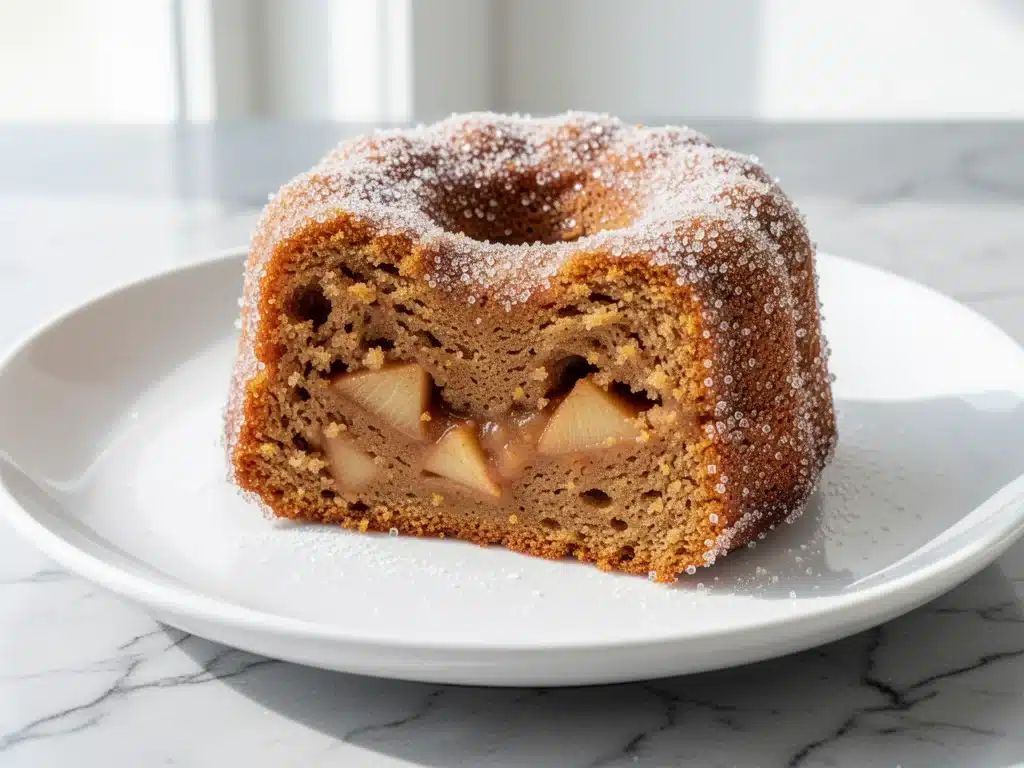
I still remember the first time I made this Fall Cinnamon Apple Cider Donut Cake. It was late October, the kind of day where the wind bites your cheeks and you can actually see your breath, and I was desperate for something that felt like autumn in a bowl. I had just bought a gallon of fresh apple cider from a local farm stand—thick, sweet, and smelling like cinnamon sticks and crushed leaves—and I didn’t want to just drink it. I wanted to bake with it.
My first attempt was a disaster. I boiled the cider down too long, the sugar crystallized, and my cake turned out dense and oddly sour. My husband took one bite, politely chewed, and then quietly suggested we order pizza. I was mortified. But I’m stubborn, so I tried again. And again. And this time, I figured out the secret: you don’t just reduce the cider; you use it to tenderize the batter, and you need to keep the apples chunky, not mushy.
By the fourth attempt, I had struck gold. This Fall Cinnamon Apple Cider Donut Cake is moist, tangy, and smells like a bakery window in Brooklyn. It’s got that distinctive donut flavor—warm cinnamon, nutmeg, and a hint of vanilla bean—but baked as a cake so you don’t have to deal with frying oil. It’s the perfect balance of sweet and tart, with bits of tender apple throughout that burst with flavor.
I’ve made this cake for everything from casual Tuesday dinners to my husband’s work potlucks. Every single time, it disappears within twenty minutes. People ask for the recipe. They ask if I sell it. (I don’t. But if I did, I’d charge $8 a slice.) This recipe is my answer to every “what dessert should I bring?” question. It’s easier than a bundt cake, more interesting than a standard apple crisp, and way more impressive than a box mix. If you’re looking for a dessert that captures the entire season in one bite, this is it.
Why You’ll Love This Fall Cinnamon Apple Cider Donut Cake
There are about ten reasons I keep making this cake, but let’s be honest—you’re here because you want something that works, tastes amazing, and doesn’t require a degree in pastry arts. Here’s why this Fall Cinnamon Apple Cider Donut Cake has earned a permanent spot in my rotation.
It Tastes Like Autumn on a Plate — Seriously. The reduced apple cider gives the cake a deep, caramelized flavor that regular apple juice or water just can’t match. It’s complex and rich. I’ve tried substituting apple juice before, and it’s just not the same. The concentrated cider adds a depth that makes everyone stop and ask, “What is in this?”
Zero Frying Required — Let’s face it: frying donuts is messy. You get oil splatters on the stove, the smell lingers for days, and if you’re not careful, you end up with burnt edges and raw centers. This cake bakes. It’s clean, it’s easy, and you get all that donut flavor without the grease. It’s the best of both worlds.
Stays Moist for Days — One of the biggest complaints people have with baked goods is that they dry out by day two. Not this cake. The apple cider acts as a natural tenderizer, keeping the crumb incredibly moist. I’ve eaten leftovers four days later, and it still tasted fresh. In fact, I think it tastes even better the next day as the spices settle in.
Perfect for Any Occasion — Whether you’re hosting a bridal shower, bringing it to a church potluck, or just need a weekend breakfast treat, this cake fits. It’s elegant enough for guests but casual enough for your kids to eat with their hands. I’ve served it alongside my spiced apple honey cider for fall gatherings, and it’s a match made in heaven.
Simple Ingredients, Big Flavor — You don’t need fancy flours or exotic spices. Just butter, sugar, flour, eggs, and that glorious apple cider. It’s pantry-friendly. You probably have everything except the cider, which is easy to find in the fall.
This is my go-to when I need a dessert that feels homemade but looks store-bought. No complicated techniques, no weird ingredients, just reliable, delicious food that makes everyone happy. It’s the kind of recipe that makes you feel like a baking pro, even if you’re just starting out.
Ingredients You’ll Need for the Best Fall Cinnamon Apple Cider Donut Cake
Here’s the best part: you probably have most of this already. The magic here is in the apple cider, but the rest is standard baking staples. I’m particular about a few things, though, so pay attention to those details.
Apple Cider (4 cups / 960ml) — This is the star. Use fresh, unfiltered apple cider if you can find it. Not apple juice from a carton. Apple juice is pasteurized and sweetened; cider is raw and tart. If you can’t find fresh cider, look for “hard” apple cider (non-alcoholic) or just buy a gallon of fresh-squeezed from a farmers market. You need to reduce this down.
Unsalted Butter (½ cup / 113g, softened) — Room temperature butter creams better with sugar. I use unsalted so I can control the salt level. If you only have salted, reduce the added salt in the recipe by half.
Granulated Sugar (1 cup / 200g) — For sweetness and structure. I’ve tried brown sugar, but it makes the cake too dense. Granulated keeps it light and fluffy, like a donut.
Eggs (2 large, room temperature) — Room temp eggs emulsify better into the batter. If your eggs are cold, run them under warm water for a few minutes. Don’t skip this; it affects the texture.
All-Purpose Flour (2 cups / 250g) — Standard flour works perfectly. Don’t use cake flour; it’ll be too delicate. Don’t use bread flour; it’ll be too chewy. All-purpose is the sweet spot.
Baking Powder (1 teaspoon) — Fresh baking powder is crucial. If yours is older than six months, buy a new box. Old baking powder won’t lift the cake, and you’ll end up with a brick.
Baking Soda (½ teaspoon) — Helps the cake rise and neutralizes the acidity in the cider.
Salt (½ teaspoon) — Enhances the sweetness and balances the tartness. Use fine sea salt.
Cinnamon (2 teaspoons, ground) — Use good quality cinnamon. The cheap stuff tastes dusty. I prefer Ceylon cinnamon if I can find it, but regular cassia works fine.
Nutmeg (½ teaspoon, freshly grated) — Freshly grated nutmeg makes a world of difference. Pre-ground nutmeg loses its flavor quickly. If you have a whole nutmeg and a microplane, use it. If not, pre-ground is okay, but it won’t be as aromatic.
Vanilla Extract (1 teaspoon, pure) — Not imitation vanilla. Pure vanilla adds warmth and depth. It’s worth the extra few dollars.
Fresh Apples (2 medium, peeled and diced) — I use a mix of Granny Smith and Honeycrisp. Granny Smith for tartness and structure, Honeycrisp for sweetness and juiciness. Don’t use Red Delicious; they turn mushy when baked.
For the Glaze:
Confectioners’ Sugar (1 cup / 120g) — Sifted to remove lumps. Essential for a smooth glaze.
Apple Cider (1-2 tablespoons) — Use the same reduced cider you used in the cake for maximum flavor.
Cinnamon (¼ teaspoon) — For the glaze, just a hint.
Pro Tip: I always measure my flour by spooning it into the cup and leveling it off. Scooping directly from the bag packs it down, and you’ll end up with too much flour, leading to a dry cake. Trust me on this.
Equipment Needed
You don’t need fancy equipment for this. Here’s what I actually use. Most of this is stuff you already have in your kitchen.
Medium Saucepan — For reducing the apple cider. I use a 2-quart saucepan. It needs to be wide enough to allow evaporation but deep enough to prevent splatters.
Mixing Bowls — One large bowl for dry ingredients, one medium for wet. I use stainless steel bowls because they’re durable and easy to clean.
Electric Mixer — Handheld or stand mixer. I use a handheld because it’s easier to scrape the sides. You can mix by hand, but it’ll take longer and your arms will get tired.
9-Inch Round Cake Pan — Or a 9-inch springform pan if you want to remove the cake easily. Grease and flour the pan, or line it with parchment paper. I prefer parchment for easy removal.
Whisk — For mixing the dry ingredients and the glaze. A balloon whisk works best for incorporating air.
Spatula — Silicone spatula for folding in the apples and scraping the bowl. Don’t use a wooden spoon for folding; it doesn’t get into the corners.
Measuring Cups and Spoons — Standard stuff. Dollar store versions work fine for dry ingredients. For liquids, use a glass measuring cup.
Cooling Rack — Essential for cooling the cake evenly. If you let it cool in the pan, the bottom will get soggy from the steam.
Optional but Nice:
Microplane Grater — For fresh nutmeg and cinnamon. It makes the spices finer and more aromatic.
Pastry Brush — For brushing the glaze on if you want a shiny finish. I usually just drizzle it.
Tool Tip: Don’t have a springform pan? A regular 9-inch round pan works fine. Just line the bottom with parchment paper so you can lift the cake out once it’s cooled. It’s a simple hack that makes cleanup a breeze.
How to Make It: Step-by-Step
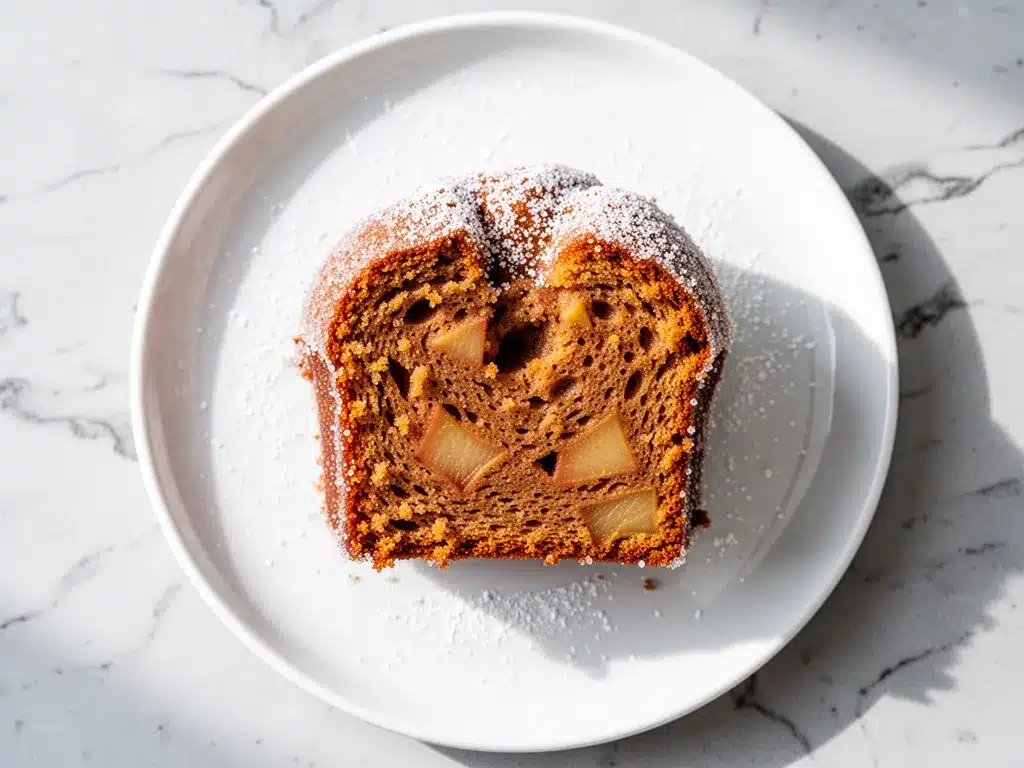
Alright, let’s make this! I’m walking you through exactly how I do it, including the little tricks I’ve picked up over the years. This isn’t rocket science, but attention to detail makes all the difference.
Step 1: Reduce the Apple Cider (15-20 minutes)
Start by pouring 4 cups of fresh apple cider into your saucepan. Bring it to a boil over medium-high heat, then reduce the heat to medium-low. Let it simmer gently for 15-20 minutes, or until it reduces to about ½ cup. You’ll know it’s ready when it’s syrupy and coats the back of a spoon. Don’t rush this step; the concentrated flavor is what gives the cake its signature taste. Let it cool completely before using. If you add hot cider to the batter, you’ll melt the butter and ruin the texture.
Step 2: Prep the Dry Ingredients (5 minutes)
Preheat your oven to 350°F (175°C). Grease and flour a 9-inch round cake pan, or line it with parchment paper. In a medium bowl, whisk together the flour, baking powder, baking soda, salt, cinnamon, and nutmeg. Whisking ensures that the leavening agents are evenly distributed, so your cake rises uniformly. Set this aside.
Step 3: Cream the Butter and Sugar (3-4 minutes)
In a large bowl, beat the softened butter and granulated sugar together until light and fluffy, about 3-4 minutes. This step incorporates air into the batter, which helps the cake rise. If you skip this, the cake will be dense. Scrape down the sides of the bowl with a spatula to ensure everything is mixed evenly.
Step 4: Add Eggs and Vanilla (2 minutes)
Add the eggs one at a time, beating well after each addition. Add the vanilla extract and mix until combined. The mixture should look smooth and creamy. If it looks curdled, don’t worry; it’ll come together when you add the dry ingredients.
Step 5: Combine Wet and Dry (3 minutes)
Reduce the mixer speed to low. Add the dry ingredients in three parts, alternating with the reduced apple cider in two parts. Start and end with the dry ingredients. Mix until just combined. Do not overmix! Overmixing develops gluten, which makes the cake tough. You want a tender, cake-like texture, not a bread-like one. The batter should be thick and chunky.
Step 6: Fold in the Apples (2 minutes)
Using a spatula, gently fold the diced apples into the batter. Be careful not to break up the apple chunks. They should be evenly distributed but still distinct. This is where you can adjust the apple amount if you prefer more or less fruit.
Step 7: Bake the Cake (30-35 minutes)
Pour the batter into the prepared pan and smooth the top with a spatula. Bake for 30-35 minutes, or until a toothpick inserted into the center comes out clean or with just a few moist crumbs. The cake should be golden brown on top. If the top is browning too quickly, cover it loosely with aluminum foil for the last 10 minutes. Don’t open the oven door too early; temperature fluctuations can cause the cake to collapse.
Step 8: Cool and Glaze (15 minutes)
Let the cake cool in the pan for 10 minutes, then transfer it to a wire rack to cool completely. While the cake cools, make the glaze. Whisk together the confectioners’ sugar, 1 tablespoon of reduced apple cider, and cinnamon until smooth. Add more cider, a teaspoon at a time, if the glaze is too thick. Once the cake is completely cool, drizzle the glaze over the top. Let the glaze set for 10 minutes before slicing.
Visual Cues: The cake is done when the edges pull away slightly from the pan and the top springs back when you touch it gently. The glaze should be opaque and smooth, not runny. If it’s too thin, add more sugar. If it’s too thick, add more cider.
Expert Tips & Tricks
Here’s everything I’ve learned from making this cake dozens of times. These tips will save you from my mistakes and ensure your cake is perfect every time.
Reduce the Cider Properly
This is the most critical step. If your cider isn’t reduced enough, the cake will be too wet. If it’s too thick, it’ll be overpowering. Aim for a syrupy consistency that coats a spoon. I usually reduce mine to about ½ cup, but check the flavor; it should taste like concentrated apple, not just sweet juice.
Don’t Overmix the Batter
I know it’s tempting to mix everything until it’s smooth, but stop as soon as the flour disappears. Overmixing leads to a tough, dense cake. The batter will look lumpy; that’s okay. That’s what gives it that donut-like texture.
Use Room Temperature Ingredients
Cold eggs and butter won’t emulsify properly. Take your eggs and butter out of the fridge 30 minutes before you start. If you forget, run the eggs under warm water for 5 minutes and microwave the butter for 10 seconds (don’t melt it!).
Choose the Right Apples
Granny Smith and Honeycrisp are my go-to. Avoid Red Delicious or Fuji; they turn mushy and lose their shape. You want apples that hold their texture after baking. If you can’t find Honeycrisp, try Fuji or Braeburn.
Glaze Consistency
The glaze should be thick enough to coat the back of a spoon but thin enough to drizzle. If it’s too thick, it’ll crack. If it’s too thin, it’ll run off the cake. Adjust with small amounts of cider or sugar.
Common Mistakes (and how to avoid them):
Mistake: Cake is too dense
Fix: You probably overmixed the batter or used old baking powder. Whisk your dry ingredients well and mix just until combined.
Mistake: Glaze is too runny
Fix: Add more confectioners’ sugar, a tablespoon at a time. Whisk until it thickens.
Mistake: Cake is dry
Fix: You might have overbaked it. Check it 5 minutes before the recommended time. Also, ensure your cider is reduced to the correct consistency; too much liquid can throw off the balance.
Pro Trick: For extra flavor, add a tablespoon of bourbon to the reduced cider. It adds a warm, oaky note that pairs beautifully with the apples. I do this for holiday gatherings, and it’s always a hit.
Variations & Substitutions
Once you’ve nailed the basic version, here’s how you can mix it up. I’ve tried all of these, and they all work.
Gluten-Free Version
Use a 1:1 gluten-free flour blend. I’ve used Bob’s Red Mill and King Arthur, and both work great. Add ½ teaspoon of xanthan gum if your blend doesn’t include it. The texture might be slightly denser, but it’s still delicious.
Vegan Version
Replace butter with vegan butter (stick form, not tub). Use flax eggs (1 tablespoon ground flaxseed mixed with 3 tablespoons water per egg) instead of regular eggs. Use maple syrup instead of sugar for a deeper flavor. The cake will be slightly chewier, but still tasty.
Add-Ins
Chopped walnuts or pecans (½ cup) add crunch and nuttiness. I love them in this cake. Dried cranberries or raisins (½ cup) add chewiness and sweetness. Caramel chips (½ cup) make it decadent. Add any of these with the apples.
Spice Variations
Add a pinch of cardamom or allspice for a more complex spice profile. I sometimes add a tiny bit of ginger for a kick. Adjust to your taste.
Glaze Variations
Maple Glaze: Replace apple cider with maple syrup. Cream Cheese Glaze: Add 2 ounces of softened cream cheese to the glaze ingredients. It adds tang and richness. White Chocolate Glaze: Melt white chocolate and mix with a little cream. It’s sweet and indulgent.
Dietary Modifications:
Lower Sugar
Reduce the sugar in the cake by ¼ cup. The glaze can also be reduced or omitted. The cake will be less sweet but still flavorful.
Dairy-Free
Use coconut oil instead of butter. The cake will have a slight coconut flavor, which pairs well with apples. Use coconut milk in the glaze.
Serving & Storage
How to Serve:
I usually serve this cake warm, with a dollop of whipped cream or a scoop of vanilla ice cream. It’s perfect for breakfast with coffee or as a dessert after dinner. I’ve also served it at brunch alongside my soft glazed cinnamon rolls, and it was a hit.
Side Dishes:
Whipped cream, vanilla ice cream, caramel sauce, fresh berries, or a dusting of powdered sugar. I also like to serve it with a cup of tea or hot cider.
Wine Pairing:
A crisp Pinot Grigio or a light Chardonnay pairs well with the sweetness. For a non-alcoholic option, serve it with spiced apple cider.
Storage Instructions:
Refrigerator:
Store in an airtight container for up to 3 days. The cake will stay moist. If the glaze gets sticky, let it come to room temperature before serving.
Freezing:
This cake freezes well. Wrap individual slices in plastic wrap and then in aluminum foil. Freeze for up to 2 months. Thaw at room temperature before serving. The glaze might crack slightly, but it’s still delicious.
Reheating:
Warm individual slices in the microwave for 15-20 seconds. Or bake at 350°F for 5-10 minutes. It tastes best warm, as the spices become more aromatic.
Pro Tip: If you’re meal-prepping, bake the cake and store it unglazed. Glaze it just before serving for the best presentation and texture.
Nutrition Information
I’m not a nutritionist, but here’s the breakdown if you’re tracking. This is a treat, so enjoy it in moderation!
Per Serving (based on 8 servings):
- Calories: 320
- Protein: 4g
- Carbs: 52g
- Fiber: 1g
- Sugar: 38g
- Fat: 12g
- Saturated Fat: 7g
- Cholesterol: 55mg
- Sodium: 180mg
What’s Good:
It has some fiber from the apples and cinnamon. It’s a better option than fried donuts.
What to Know:
Higher in sugar from the glaze and reduced cider. Contains dairy and gluten. Moderate calories.
My Take:
Look, this is a dessert. It’s sweet and indulgent. But it’s homemade, so you know what’s in it. When I want to make it lighter, I reduce the glaze and add more apples. But usually? I just eat a slice and enjoy it.
Final Thoughts
So that’s my Fall Cinnamon Apple Cider Donut Cake! I’ve probably talked your ear off at this point, but when you make a recipe this often, you have a lot to say about it. This cake has saved my dessert game more times than I can count. It’s my answer to “what should I bake?” when I want something cozy, festive, and impressive.
Make it yours! Try different add-ins, swap in your favorite apples, adjust the spices. The best recipes are the ones you adapt to your family’s tastes. If you make this, drop a comment and let me know what you think! I love hearing how recipes turn out in your kitchen. And if something doesn’t work, tell me that too—I’m here to help troubleshoot.
Happy baking! And I hope your kitchen smells half as good as mine does right now.
Frequently Asked Questions
Q: Can I use apple juice instead of apple cider?
A: You can, but the flavor won’t be as intense. Apple juice is sweeter and less tart. If you use juice, reduce it down to a syrup just like you would with cider, but you might need to add a splash of lemon juice for acidity. Fresh cider is definitely better.
Q: Why did my cake sink in the middle?
A: This usually happens if the oven door was opened too early, or if the cake was underbaked. Make sure your oven is properly preheated and check the cake with a toothpick before removing it. Also, ensure your baking powder is fresh.
Q: Can I make this cake ahead of time?
A: Yes! Bake the cake 1-2 days ahead and store it unglazed in an airtight container. Glaze it the day you plan to serve it. This actually helps the flavors meld together.
Q: How do I store leftovers?
A: Store in an airtight container at room temperature for up to 3 days. If it’s very humid, store it in the fridge. Bring to room temperature before serving for the best texture.
Q: Can I freeze this cake?
A: Yes, freeze it for up to 2 months. Wrap individual slices tightly in plastic wrap and then foil. Thaw at room temperature. The glaze might crack, but it’s still delicious.
Q: Can I double this recipe?
A: Absolutely! Double all ingredients and bake in a 9×13-inch pan for 35-40 minutes. Keep an eye on it to prevent overbaking.
Q: What kind of apples work best?
A: A mix of tart and sweet apples is best. Granny Smith and Honeycrisp are my favorites. Avoid apples that turn mushy when baked, like Red Delicious.
Pin This Recipe!

Fall Cinnamon Apple Cider Donut Cake
- Total Time: 55 minutes
- Yield: 8 servings 1x
Description
A moist, tangy cake that captures the flavor of autumn with reduced apple cider, warm spices, and chunky apples. It offers the taste of a donut without the need for frying.
Ingredients
- 4 cups fresh apple cider (reduced to 1/2 cup)
- 1/2 cup unsalted butter (softened)
- 1 cup granulated sugar
- 2 large eggs (room temperature)
- 2 cups all-purpose flour
- 1 teaspoon baking powder
- 1/2 teaspoon baking soda
- 1/2 teaspoon salt
- 2 teaspoons ground cinnamon
- 1/2 teaspoon freshly grated nutmeg
- 1 teaspoon pure vanilla extract
- 2 medium apples (peeled and diced, mix of Granny Smith and Honeycrisp)
- 1 cup confectioners’ sugar (for glaze)
- 1–2 tablespoons reduced apple cider (for glaze)
- 1/4 teaspoon cinnamon (for glaze)
Instructions
- Preheat oven to 350°F (175°C). Grease and flour a 9-inch round cake pan or line with parchment paper.
- Pour 4 cups of apple cider into a medium saucepan. Bring to a boil over medium-high heat, then reduce to medium-low. Simmer for 15-20 minutes until reduced to about 1/2 cup and syrupy. Let cool completely.
- In a medium bowl, whisk together flour, baking powder, baking soda, salt, cinnamon, and nutmeg. Set aside.
- In a large bowl, beat softened butter and granulated sugar until light and fluffy (3-4 minutes). Scrape down sides of the bowl.
- Add eggs one at a time, beating well after each addition. Mix in vanilla extract.
- Reduce mixer speed to low. Add dry ingredients in three parts, alternating with the reduced apple cider in two parts. Start and end with dry ingredients. Mix until just combined.
- Gently fold diced apples into the batter using a spatula.
- Pour batter into prepared pan and smooth top. Bake for 30-35 minutes or until a toothpick inserted in the center comes out clean.
- Cool in pan for 10 minutes, then transfer to a wire rack to cool completely.
- Whisk confectioners’ sugar, 1 tablespoon reduced cider, and cinnamon until smooth. Adjust consistency with more cider or sugar if needed.
- Drizzle glaze over completely cooled cake and let set for 10 minutes before slicing.
Notes
Ensure apple cider is reduced to a syrupy consistency for best flavor. Do not overmix the batter to avoid a dense texture. Use room temperature ingredients for better emulsification. For a gluten-free version, use a 1:1 gluten-free flour blend. For a vegan version, substitute butter with vegan butter and eggs with flax eggs.
- Prep Time: 20 minutes
- Cook Time: 35 minutes
- Category: Dessert
- Cuisine: American
Nutrition
- Serving Size: 1 slice
- Calories: 320
- Sugar: 38
- Sodium: 180
- Fat: 12
- Saturated Fat: 7
- Carbohydrates: 52
- Fiber: 1
- Protein: 4
Keywords: apple cider cake, fall dessert, cinnamon donut cake, baked donuts, autumn baking, easy cake recipe


