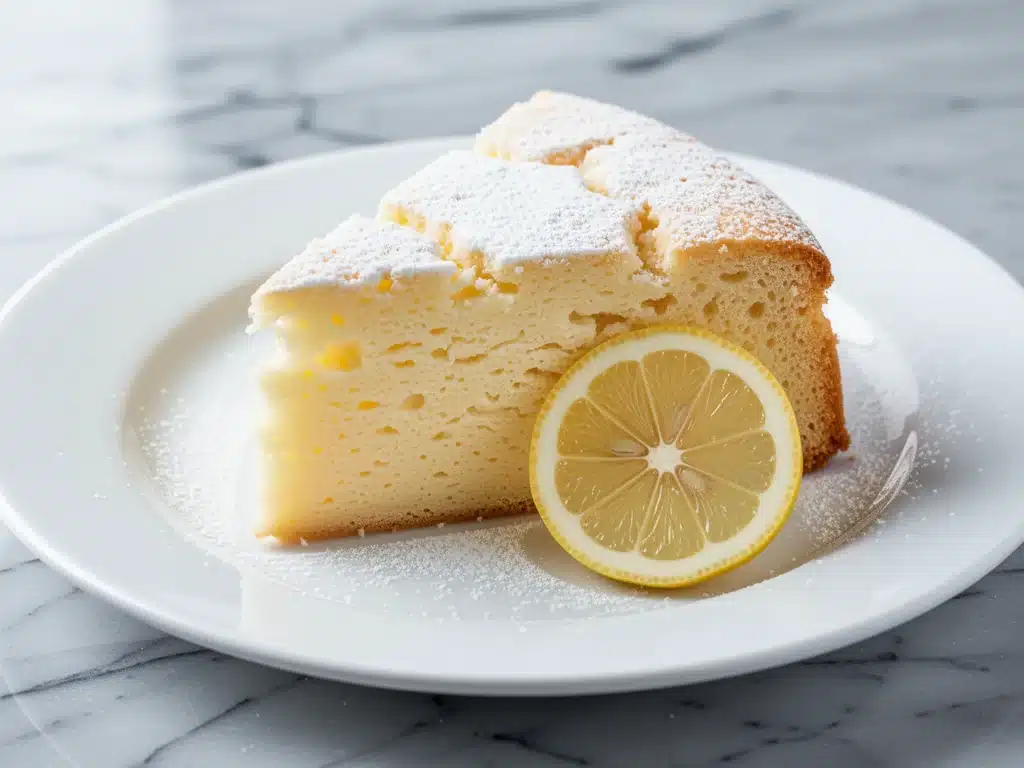
Let me tell you a quick story about my cousin’s wedding last June. You know how it is—there’s always that one dessert table that looks like it was staged by a professional pastry chef, all towering tiers of fondant and intricate piping. And then there’s the table where my aunt Maria puts her stuff. No fancy decorations. No edible flowers. Just a single, rustic cake sitting on a wooden board, dusted with powdered sugar and sliced into generous wedges.
I walked up to it expecting something dry and dense, the kind of “healthy” dessert that tastes like sawdust and regret. Instead, I took one bite of that Silky Italian Ricotta Lemon Cake and honestly? I forgot what I was supposed to be doing for the next ten minutes. It was cloud-like. It was tangy enough to make your eyes water but sweet enough to make you close them in bliss. The texture was so impossibly smooth that it melted on my tongue before I even realized I’d swallowed. People were lining up for seconds. My uncle, who claims he doesn’t have a sweet tooth in his body, asked for the recipe before the cake was even half gone.
That was three summers ago. Since then, I’ve made this cake for birthdays, for random Tuesday afternoons when I just need a hug in food form, and for every holiday where I’m responsible for bringing a dessert. It has become my go-to bake. Not because it’s complicated—far from it—but because it delivers that restaurant-quality experience with ingredients you can grab at any local grocery store. If you’ve ever baked a lemon cake that turned out crumbly, dry, or just… meh, this recipe is going to change your life. It’s the kind of baking that feels like cheating because the results are so much better than they should be for something so simple.
I’ve tested this version dozens of times, tweaking the lemon juice ratios and the ricotta brand preferences until I landed on the perfect balance. This isn’t just a recipe; it’s a promise that your kitchen will smell like a Italian café and your guests will think you spent hours on it. Spoiler alert: you won’t.
Why You’ll Love This Silky Italian Ricotta Lemon Cake
There are about ten reasons I keep coming back to this cake, but let’s be real: you’re here because you want something that tastes amazing without requiring a degree in pastry arts. Here’s why this specific version is the one you’ll make on repeat.
Texture That Defies Logic — The secret is in the ricotta. Most people think ricotta cakes are grainy or heavy, but when you blend the ricotta until it’s completely smooth and fold it into a light batter, you get a crumb that’s tender, moist, and almost custard-like. It’s not dense like a cheesecake, and it’s not dry like a pound cake. It’s right in that golden middle ground. I’ve had people ask me if it’s a mousse because it’s so light.
Actually Tangy Lemon Flavor — So many lemon desserts taste like artificial lemon juice or just sugar. This one uses both fresh lemon juice and zest, plus a touch of lemon extract if you want to boost it. The flavor is bright and crisp, cutting through the richness of the cheese and butter perfectly. It tastes like sunshine. Not fake lemon, but real, zesty, summer sunshine.
One-Bowl Wonder — Seriously. You don’t need a stand mixer. You don’t need a dozen bowls. You need one large mixing bowl and a whisk (or a hand mixer if you’re feeling fancy). Mix the wet ingredients, mix the dry ingredients, combine them, add the ricotta, and bake. That’s it. Cleanup takes less time than the baking does.
Perfect for Any Occasion — I’ve served this at formal dinner parties where it looked elegant next to a porcelain tea set. I’ve also served it at casual backyard BBQs where it disappeared in minutes alongside burgers. It’s versatile enough to be dressed up with a glaze and berries for a wedding, or eaten warm with a fork straight out of the pan on a lazy Sunday morning.
Make-Ahead Friendly — This cake actually gets better after sitting for a few hours. The flavors meld together, and the texture settles into that silky perfection. I often bake it the night before an event, which means I’m not stressed out in the kitchen while my guests are arriving. It stays moist for days in the fridge, too.
This is my answer to “what do I bring?” when I’m invited somewhere. It’s reliable, delicious, and always gets compliments. No complicated techniques, no weird ingredients you have to hunt for, just pure, simple baking joy.
Ingredients You’ll Need for the Best Ricotta Cake
Here’s the best part: you probably have most of this already in your fridge and pantry. This isn’t a recipe that requires a trip to a specialty import store. It’s built on staples, but the quality of those staples matters more than usual.
Whole Milk Ricotta Cheese (16 ounces / 450g) — This is the star of the show. Do not buy the tub of “ricotta” that is actually cottage cheese or a dry, grainy substitute. You want the real deal, full-fat, whole milk ricotta. Brands like BelGioioso or Galbani work great. If you can find fresh ricotta from a local dairy, even better. The fat content is what gives the cake its richness.
Unsalted Butter (½ cup / 115g, softened) — Softened means cool to the touch but leaves an indent when you poke it. Not melted! Melted butter will change the texture of the cake, making it denser. Room temperature butter creams better with the sugar, creating that airy base.
Granulated Sugar (1 cup / 200g) — Standard white sugar works perfectly here. It provides sweetness and helps create a tender crumb. You could try half brown sugar for a deeper flavor, but I prefer the clean sweetness of white sugar to let the lemon shine.
Eggs (3 large) — Room temperature eggs incorporate easier into the batter. If you’re in a rush, just drop them in a bowl of warm water for 5 minutes. Cold eggs can cause the butter to seize up a little, which isn’t ideal.
Vanilla Extract (1 teaspoon) — Pure vanilla adds depth. It doesn’t make the cake taste like vanilla; it just makes the lemon and ricotta taste more “present.” Don’t skip it, but don’t add a tablespoon either.
All-Purpose Flour (1 ½ cups / 190g) — Standard flour is fine. I’ve tested this with cake flour for an even softer crumb, and while it’s nice, the difference is subtle. All-purpose gives it just enough structure so it doesn’t collapse. Sift it if you want to be precise, but whisking it into the bowl works too.
Baking Powder (1 ½ teaspoons) — Make sure yours is fresh! Baking powder loses its potency after 6 months. If your cake comes out flat, this is usually the culprit.
Salt (½ teaspoon) — Essential for balancing the sweetness. It makes the lemon flavor pop.
Whole Milk (¼ cup / 60ml) — Adds moisture and helps create that silky texture. Whole milk is best, but 2% works in a pinch.
Fresh Lemons (2 medium) — You’ll need the zest of both lemons and the juice of one (plus maybe half of the other). This is non-negotiable. Bottled lemon juice tastes metallic and flat. Fresh lemons have oils in the zest that bottled juice simply cannot replicate. Buy lemons that feel heavy for their size—that means they’re juicy.
Confectioners’ Sugar (½ cup / 60g, optional) — For dusting on top. You can skip this, but it makes it look fancy and adds a tiny bit of sweetness to the crust.
Extra Virgin Olive Oil (1 tablespoon, optional) — Some traditional Italian recipes swap some butter for olive oil. I keep the butter for richness, but if you want a slightly more savory, complex flavor, swap 2 tablespoons of butter for olive oil. It’s a nice twist.
Equipment Needed
You don’t need fancy equipment for this. Here’s what I actually use.
9×5 Inch Loaf Pan — This recipe is designed for a standard loaf pan. It creates beautiful, tall slices. If you want to make cupcakes, you’ll need to adjust the baking time (about 20-25 minutes). I prefer the loaf format because it’s easier to slice neatly.
Large Mixing Bowl — Glass or ceramic is best because it’s heavy and doesn’t slide around. Plastic is fine too.
Whisk — A standard balloon whisk is perfect for beating the eggs and sugar.
Hand Mixer or Stand Mixer — Optional. I actually prefer using a hand mixer for this because it’s quick, but you can do it by hand if you have strong arms. It takes about 3 minutes of vigorous whisking.
Microplane or Zester — For the lemon zest. A microplane gets the zest without the bitter white pith. If you use a regular grater, be careful not to grate too deep.
Cooling Rack — Essential. Letting the cake cool in the pan will make it steam and get soggy. Transfer it to a rack after 10 minutes.
Parchment Paper — I always line the bottom of the loaf pan with parchment. It makes removal a breeze and ensures no sticking. Grease the sides, but the parchment is the safety net.
How to Make It: Step-by-Step
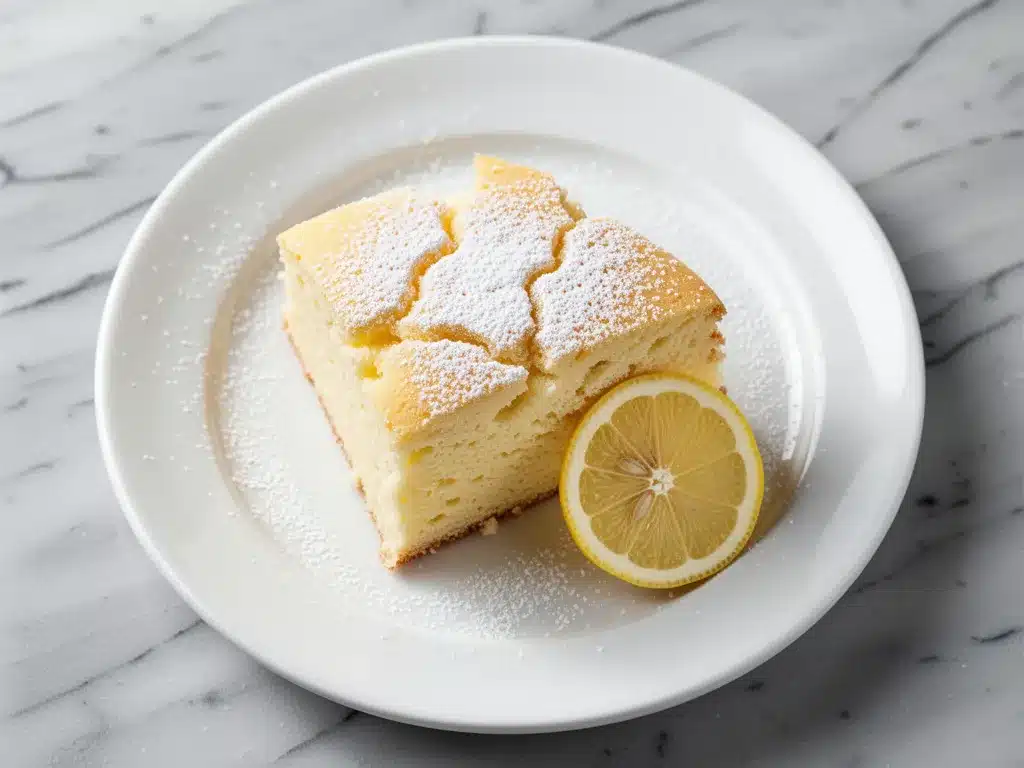
Alright, let’s make this! I’m walking you through exactly how I do it, including the little tricks I’ve picked up over the years.
Step 1: Prep Your Pan and Oven
Preheat your oven to 350°F (175°C). This is a moderate temperature that allows the cake to bake through evenly without burning the top. Line your 9×5 loaf pan with parchment paper, leaving an overhang on the long sides. This overhang acts as a handle to lift the cake out later. Grease the parchment lightly with butter or cooking spray.
Step 2: Blend the Ricotta
This is the most important step for texture. Place your ricotta cheese in a food processor or blender and pulse it until it is completely smooth. If you don’t have a food processor, you can press it through a fine-mesh sieve, but that takes forever. The goal is to eliminate any graininess. If you skip this, your cake will have little white lumps. Smooth ricotta = silky cake. Set it aside.
Step 3: Cream the Butter and Sugar
In your large mixing bowl, beat the softened butter and granulated sugar together until light and fluffy. This should take about 2-3 minutes with a hand mixer. You’re incorporating air into the butter, which helps the cake rise. It will look pale yellow and have a creamy consistency.
Step 4: Add Eggs and Vanilla
Add the eggs one at a time, beating well after each addition. Scrape down the sides of the bowl with a spatula to make sure everything is incorporated. Stir in the vanilla extract. The mixture might look slightly curdled at this point—that’s normal. Just keep going.
Step 5: Combine Dry Ingredients
In a separate small bowl, whisk together the flour, baking powder, and salt. It’s a small amount, so a small bowl is fine. We’re just making sure the baking powder is evenly distributed so we don’t get a bitter bite of pure baking soda.
Step 6: Mix Wet and Dry
With the mixer on low speed, add the dry ingredients to the butter mixture in three additions, alternating with the milk. Start with dry, then milk, then dry, then milk, ending with dry. Mix only until combined. Do not overmix! Overmixing develops gluten, which makes the cake tough. You want tender, not chewy. The batter will look thick and rich.
Step 7: Fold in the Ricotta and Lemon
Now, gently fold in the smooth ricotta cheese and the lemon zest. Use a spatula and fold carefully. Just until the ricotta is distributed. If you want extra lemon flavor, stir in the fresh lemon juice now too. The batter should look creamy and speckled with yellow zest.
Step 8: Bake
Pour the batter into the prepared loaf pan and smooth the top with your spatula. Bake for 50-60 minutes. Check it at 50 minutes. Insert a toothpick into the center. If it comes out clean or with just a few moist crumbs, it’s done. If it’s wet with batter, give it another 5-10 minutes. The top should be golden brown. If it’s browning too fast, cover it loosely with aluminum foil for the last 10 minutes.
Step 9: Cool
Let the cake cool in the pan for 10 minutes. Then, use the parchment overhang to lift it out onto a wire rack. Let it cool completely before slicing. This is the hardest part, but slicing a warm ricotta cake can make it messy and dense. Cool it for at least an hour.
Total Time: About 1 hour 15 minutes (15 minutes prep, 55 minutes bake, 45 minutes cool)
Expert Tips & Tricks
Here’s everything I’ve learned from making this dozens of times. These tips will save you from my mistakes.
Blend the Ricotta
I can’t stress this enough. Even “smooth” ricotta from the store has some texture. Blending it removes that texture. If you’re short on time, you can skip it, but I promise your guests will notice the difference in the final texture.
Don’t Overmix the Batter
Once you add the flour, mix gently. Overmixing is the enemy of a tender cake. You want to stop mixing the moment you don’t see streaks of flour. The cake will still rise even if the batter looks a little lumpy.
Room Temperature Ingredients
Butter and eggs should be room temperature. Cold ingredients don’t emulsify well, which can lead to a separated batter. If you forget to take them out, the warm water trick works wonders.
The Toothpick Test
Ovens vary. My oven runs hot, so I check at 50 minutes. Your oven might take 65. Trust the toothpick, not the timer. A wet toothpick means more baking. A clean toothpick means it’s done.
Glaze Option
If you want a glaze, mix ½ cup powdered sugar with 1-2 tablespoons lemon juice and drizzle it over the completely cooled cake. It adds a nice sweet-tart crunch to the top.
Storage Tip
Store leftovers in an airtight container at room temperature for up to 3 days. It stays moist longer than most cakes. If it’s very hot and humid, keep it in the fridge, but let it come to room temperature before eating for the best texture.
Variations & Substitutions
Once you’ve nailed the basic version, here’s how you can mix it up. I’ve tried all of these.
Ricotta Blueberry Cake
Fold in 1 cup of fresh or frozen blueberries in Step 7. Toss them in a teaspoon of flour first so they don’t sink to the bottom. Beautiful and tangy.
Ricotta Poppy Seed Cake
Add 1 tablespoon of poppy seeds in Step 7. It adds a nice crunch and makes it look like a fancy bakery cake.
Lavender Lemon Ricotta Cake
Add 1 teaspoon of culinary lavender buds to the sugar before creaming it with butter. Strain it out if you don’t want bits, or leave them in for a floral aroma. Very elegant.
Dairy-Free Version
Use a high-quality vegan butter and a plant-based ricotta alternative (like cashew ricotta). It won’t be exactly the same, but it can still work. I haven’t tested this extensively, so proceed with caution.
Gluten-Free Version
Swap the all-purpose flour for a 1:1 gluten-free baking blend. It works surprisingly well because the ricotta provides enough moisture to keep it tender.
Chocolate Chip Twist
Add ½ cup of dark chocolate chips in Step 7. The lemon and chocolate is a classic combination. Rich and zesty.
Serving & Storage
How to Serve:
I usually serve this plain, just dusted with powdered sugar. It’s simple and lets the cake speak for itself. But here are other ways I’ve enjoyed it:
Side Dishes:
– Fresh berries (strawberries, raspberries, or blueberries)
– A dollop of whipped cream or mascarpone cheese
– A scoop of vanilla ice cream (warm cake, cold ice cream = heaven)
Toppings Bar:
When I have guests, I put out a small bowl of lemon zest and a jar of honey. Let people drizzle honey over their slice if they want extra sweetness.
Wine Pairing:
A light Prosecco or a crisp Pinot Grigio pairs beautifully with the lemon. If you prefer wine, a Moscato d’Asti is sweet enough to balance the tartness.
Storage Instructions:
Refrigerator:
Store in an airtight container for up to 4 days. The cake will firm up in the fridge, so let it sit out for 15 minutes before serving.
Freezing:
This cake freezes beautifully! Wrap the whole loaf (or individual slices) tightly in plastic wrap and then in aluminum foil. Freeze for up to 3 months. Thaw overnight in the fridge. The texture remains moist after thawing.
Reheating:
If you want it warm, microwave a slice for 15-20 seconds. It becomes soft and almost gooey. I love this for breakfast.
Nutrition Information
I’m not a nutritionist, but here’s the breakdown if you’re tracking. This is a rich cake, so portion control is key.
Per Serving (based on 10 slices):
- Calories: 280
- Protein: 8g
- Carbs: 32g
- Fiber: 0g
- Sugar: 18g
- Fat: 14g
- Saturated Fat: 8g
- Cholesterol: 65mg
- Sodium: 180mg
What’s Good: The ricotta adds protein and calcium. It’s less dense than a cheesecake.
What to Know: It’s still a dessert with butter and sugar. Enjoy it as a treat.
My Take: Look, this is comfort food. It’s not a salad. But it’s way better than store-bought bakery cakes, and I know exactly what’s in it.
Final Thoughts
So that’s my go-to Silky Italian Ricotta Lemon Cake! I’ve probably talked your ear off at this point, but when you make a recipe this often, you have a lot to say about it. This cake has saved me more times than I can count. It’s my answer to “what do I bring?” when I’m invited to dinner, or when I just need a little pick-me-up on a rainy afternoon. It’s reliable, delicious, and always makes people happy.
Make it yours! Try different add-ins, swap in your favorite berries, or adjust the lemon. The best recipes are the ones you adapt to your family’s tastes. If you make this, drop a comment and let me know what you think! I love hearing how recipes turn out in your kitchen. And if something doesn’t work, tell me that too—I’m here to help troubleshoot.
Happy baking! And I hope your kitchen smells half as good as mine does right now.
Frequently Asked Questions
Can I use part-skim ricotta?
You can, but the cake will be less rich and slightly less moist. Whole milk ricotta has more fat, which translates to a silkier texture and richer flavor. If you’re trying to cut calories, part-skim works, but you might notice a slight difference in the crumb.
Why did my cake sink in the middle?
This usually happens if the oven temperature is too high or if you opened the oven door too early. The structure hasn’t set yet, and the sudden drop in temperature causes it to collapse. Also, make sure you’re not overmixing the batter, which can create too much air that then deflates.
Can I make this ahead for a party?
Absolutely. This cake actually tastes better the next day. Bake it the night before, let it cool completely, and store it in an airtight container. Bring it to room temperature before serving. It will stay fresh for up to 3 days at room temperature.
Can I use bottled lemon juice?
I strongly recommend against it. Bottled lemon juice lacks the aromatic oils found in fresh lemons. The zest is where most of the lemon flavor lives, and bottled juice often tastes metallic. Fresh lemons are worth the extra minute of zesting.
How do I store leftovers?
Keep it in an airtight container at room temperature for up to 3 days. If your kitchen is very hot, store it in the fridge. Let it come to room temperature before eating for the best texture. It also freezes well for up to 3 months.
Can I make this into cupcakes?
Yes! Divide the batter into a lined muffin tin. Bake at 350°F for 20-25 minutes. Check with a toothpick. You’ll get about 12-15 cupcakes. The baking time is much shorter, so keep an eye on them.
Pin This Recipe!

Silky Italian Ricotta Lemon Cake: 5 Easy Bites
- Total Time: 1 hour 15 minutes
- Yield: 10 servings 1x
Description
A moist, cloud-like lemon cake made with blended ricotta cheese for a silky texture. This one-bowl recipe delivers restaurant-quality results with simple ingredients and minimal effort.
Ingredients
- 16 ounces (450g) whole milk ricotta cheese
- ½ cup (115g) unsalted butter, softened
- 1 cup (200g) granulated sugar
- 3 large eggs, room temperature
- 1 teaspoon vanilla extract
- 1 ½ cups (190g) all-purpose flour
- 1 ½ teaspoons baking powder
- ½ teaspoon salt
- ¼ cup (60ml) whole milk
- Zest of 2 medium fresh lemons
- Juice of 1 medium fresh lemon
- ½ cup (60g) confectioners’ sugar, optional for dusting
- 1 tablespoon extra virgin olive oil, optional
Instructions
- Preheat oven to 350°F (175°C). Line a 9×5 inch loaf pan with parchment paper, leaving an overhang on the long sides, and grease lightly.
- Place ricotta cheese in a food processor or blender and pulse until completely smooth. Set aside.
- In a large mixing bowl, beat softened butter and granulated sugar together until light and fluffy (about 2-3 minutes).
- Add eggs one at a time, beating well after each addition. Scrape down the sides of the bowl. Stir in vanilla extract.
- In a separate small bowl, whisk together flour, baking powder, and salt.
- With the mixer on low speed, add dry ingredients to the butter mixture in three additions, alternating with milk. Start and end with dry ingredients. Mix only until combined.
- Gently fold in the smooth ricotta cheese and lemon zest using a spatula. Stir in fresh lemon juice if desired.
- Pour batter into the prepared loaf pan and smooth the top. Bake for 50-60 minutes, or until a toothpick inserted into the center comes out clean.
- Let the cake cool in the pan for 10 minutes, then lift out using the parchment overhang and transfer to a wire rack to cool completely before slicing.
Notes
Blend the ricotta thoroughly to ensure a silky texture without graininess. Do not overmix the batter once flour is added to keep the cake tender. For best results, use room temperature ingredients. The cake can be stored in an airtight container at room temperature for up to 3 days or frozen for up to 3 months.
- Prep Time: 15 minutes
- Cook Time: 55 minutes
- Category: Dessert
- Cuisine: Italian
Nutrition
- Serving Size: 1 slice
- Calories: 280
- Sugar: 18
- Sodium: 180
- Fat: 14
- Saturated Fat: 8
- Carbohydrates: 32
- Protein: 8
Keywords: ricotta cake, lemon cake, Italian dessert, silky cake, one-bowl cake, easy baking, gluten-free option


