I have a confession to make. Last summer, I spent $87 on iced lattes at various coffee shops while trying to “find my matcha.” Spoiler alert: I didn’t find it. I found overly sweet, chalky, bitter sludge that tasted like expensive grass clippings. I was ready to quit. I was ready to go back to my safe, boring old coffee habit.
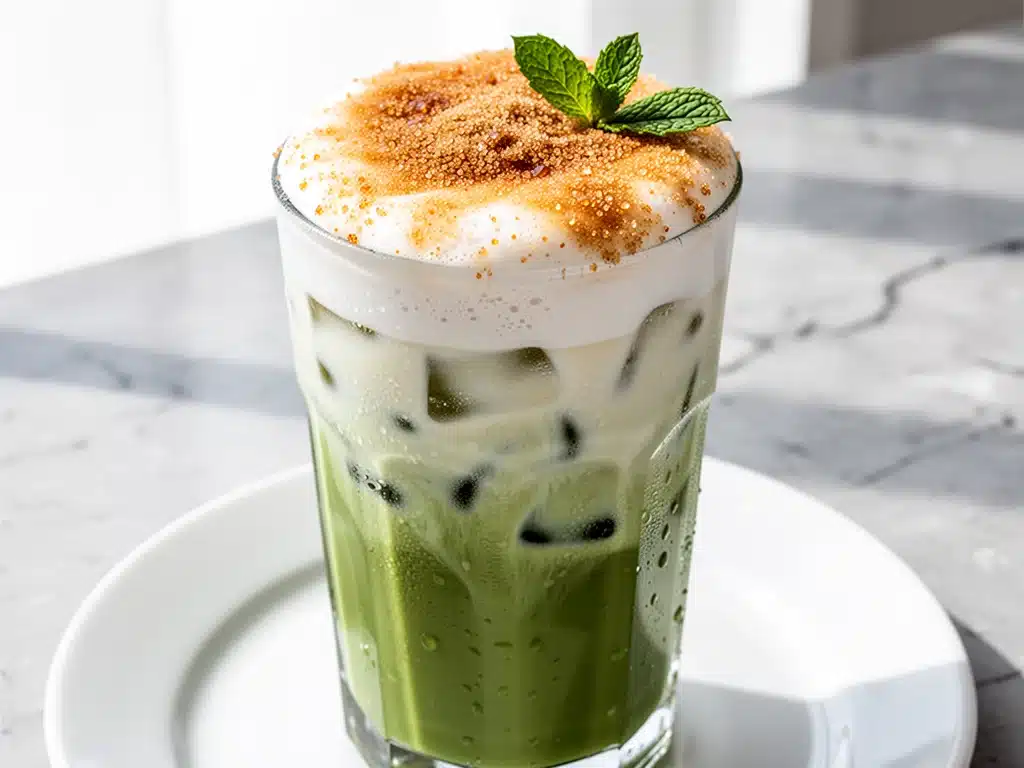
Then, three weeks ago, I was scrolling through my feed at 11 PM (don’t judge, I’m a night owl) and saw someone top their matcha with brown sugar cold foam. Just one look at that thick, caramel-colored cloud of foam sitting on top of the vibrant green tea, and I knew I had to make it. I didn’t care if I had matcha powder or not. I just knew I needed that foam.
I threw together what I thought would be a mediocre iced vanilla matcha latte with brown sugar cold foam. I used the leftover heavy cream from my fluffy vanilla buttermilk waffles breakfast, some brown sugar I had lying around, and a whisk. I was skeptical. I expected it to be thin, sweet, and pretentious. Instead? It was incredible. The salty-sweet foam cut through the earthy bitterness of the matcha, and the vanilla tied it all together. It tasted like a vacation in a glass.
I’ve made this iced vanilla matcha latte with brown sugar cold foam seven times in the last two weeks. My neighbors think I’m running a small café from my kitchen. My partner has started asking for it for breakfast. I’ve refined the ratios, tested different types of matcha, and figured out the exact whisking technique that creates that perfect, mousse-like texture. This isn’t just a drink; it’s my new favorite ritual. And the best part? It’s stupidly easy to make at home for a fraction of the coffee shop price.
Why You’ll Love This Iced Vanilla Matcha Latte With Brown Sugar Cold Foam
There are about a dozen reasons I keep making this drink, but let’s be real—you don’t need a lecture. You just need to know why it’s better than buying it. Here’s the truth about homemade matcha lattes.
It’s Cheaper Than Coffee Shop Prices — Seriously. A drink like this at a trendy café runs you $7 to $9. Making it at home costs about $1.50 to $2 per serving. That’s a massive difference over a month. I’m not saying you should never buy matcha again, but for your daily fix? Make it at home.
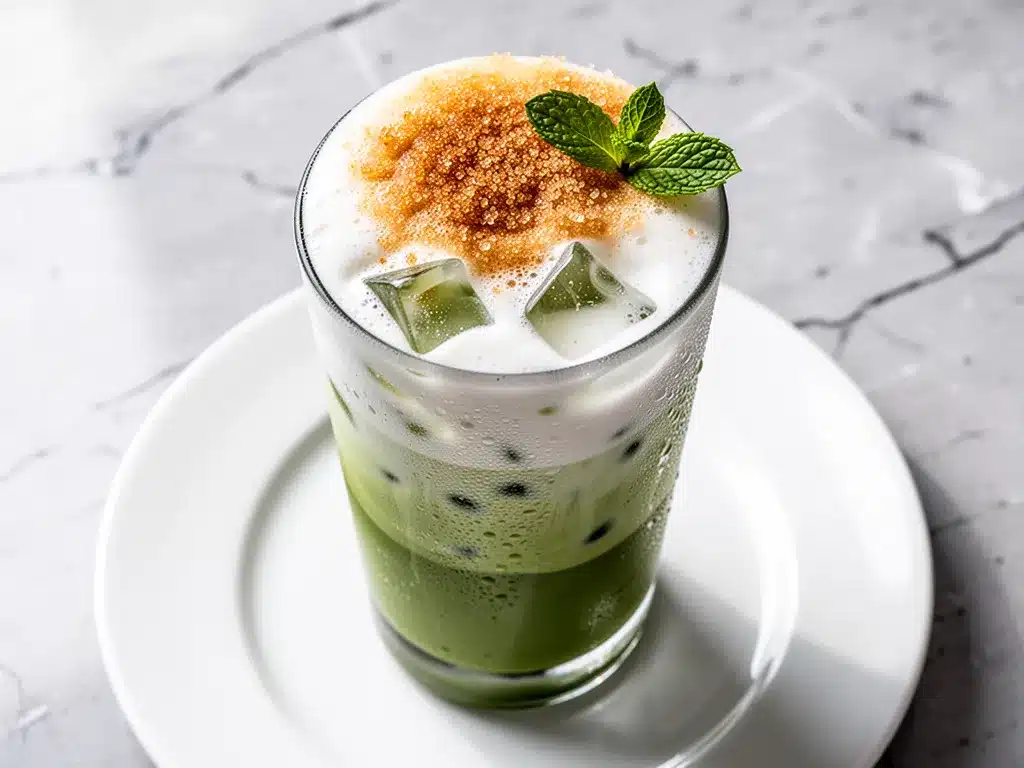
The Foam Is Actually Stable — I’ve tried homemade cold foams before, and they usually turn into sweetened milk within ten minutes. This brown sugar version? It stays thick and distinct. It holds its shape. It creates that beautiful layered effect that looks stunning in a clear glass. I’ve left it on the counter for 20 minutes while I finished eating my breakfast, and the foam didn’t collapse. That’s a win.
It’s Customizable to Your Taste — Coffee shops force you to take their version of sweet. When you make this iced vanilla matcha latte with brown sugar cold foam, you control the sugar. Hate sweet? Use less brown sugar. Love it? Add more. Want almond milk instead of dairy? Go for it. The foam works with almost any milk base.
It’s a Caffeine + L-Theanine Combo — Coffee gives you jitters. Matcha gives you calm focus. The L-theanine in matcha smooths out the caffeine spike, giving you that “alert but relaxed” feeling without the afternoon crash. I make this instead of my morning coffee when I have a big project to tackle. It works.
It Looks Fancy (But Isn’t) — If you’re posting this on Instagram or Pinterest, it’s going to look amazing. The contrast between the bright green tea and the caramel foam is photogenic gold. But don’t let the aesthetics fool you—it takes less than 10 minutes to make. You’re not a barista; you’re just smart.
This is my go-to drink when I need a pick-me-up that doesn’t involve an espresso machine. It’s refreshing, it’s satisfying, and that brown sugar foam is the star of the show.
Ingredients You’ll Need
Here’s the thing about matcha: quality matters. You can’t use the baking-grade powder from the spice aisle, or it’ll taste like dirt. For the iced vanilla matcha latte with brown sugar cold foam, you need culinary-grade or ceremonial-grade matcha for the best flavor. But don’t worry, you probably have most of the other stuff already.
For the Matcha Base
Matcha Powder (2 tablespoons / 8g) — This is the most important ingredient. Look for a vibrant, bright green color. If it’s dull or yellowish, it’s old or low quality. I prefer ceremonial grade for this because it’s smoother, but culinary grade works fine if you’re on a budget. Just whisk it well!
Hot Water (2 ounces / 60ml) — Not boiling! Boiling water burns matcha and makes it bitter. Aim for about 175°F (80°C). If you don’t have a thermometer, boil the water and let it sit for 2 minutes. This small amount is just to create the paste.
Milk (1 cup / 240ml) — I use whole milk for the creamiest texture, but oat milk is my favorite for matcha because it’s naturally sweet and doesn’t separate. Almond milk works too, but it’s thinner. Dairy or non-dairy, your call.
Vanilla Extract (1 teaspoon) — Use real vanilla extract, not imitation. The vanilla ties the earthy matcha to the sweet foam. It’s the bridge flavor.
Simple Syrup or Honey (1 tablespoon, optional) — The foam has sugar, so the base doesn’t need much. I usually skip extra sweetener in the tea itself, but if your matcha is bitter, a little honey helps.
Ice — Lots of it. Standard cubes or large spheres if you’re feeling fancy.
For the Brown Sugar Cold Foam
Heavy Cream (½ cup / 120ml) — Full fat is non-negotiable. Light cream won’t whip. This is what creates the thick, mousse-like texture.
Brown Sugar (2 tablespoons, packed) — Dark brown sugar has more molasses, which gives a deeper, caramel-like flavor. Light brown is milder. I prefer dark for that rich taste.
Vanilla Extract (½ teaspoon) — Just a hint to keep the flavor profile consistent.
Salt (A tiny pinch) — This is the secret ingredient. Salt enhances the sweetness and balances the richness. Don’t skip it.
Equipment Tips
You’ll need a matcha whisk (chasen) if you want the best texture. Bamboo whisks break up the clumps better than spoons. But if you’re lazy (like me on busy mornings), a small frother or even a fork works. For the foam, a handheld milk frother is essential. You could use a whisk and arm strength, but why suffer?
How to Make It: Step-by-Step
Alright, let’s make this iced vanilla matcha latte with brown sugar cold foam. It’s faster than you think, and I’m walking you through exactly how to do it so you don’t end up with clumpy tea or runny foam.
Step 1: Make the Brown Sugar Cold Foam (5 minutes)
Start with the foam because it needs to be ready to top the drink. In a small mixing bowl or a frothing pitcher, combine the heavy cream, packed brown sugar, vanilla extract, and that tiny pinch of salt. If you’re using a handheld frother, just submerge it and turn it on. If you’re whisking by hand, start slow to incorporate the sugar, then whip faster.
Whip for about 30 to 60 seconds. You’re looking for soft peaks. The mixture should thicken significantly and look like a loose whipped cream. It should hold its shape when you lift the whisk but still be pourable. If it’s too thin, keep whipping. If it’s too thick (like stiff whipped cream), add a teaspoon of milk to loosen it up. Set it aside.
Step 2: Whisk the Matcha Paste (2 minutes)
In a separate bowl or mug, add your 2 tablespoons of matcha powder. Sift it if it’s clumpy—matcha loves to clump. Pour in your 2 ounces of hot water (remember, not boiling!).
Now, the whisking part. If you have a bamboo whisk, use a “W” motion. It’s vigorous. If you’re using a spoon or frother, just mix until there are zero lumps. You want a smooth, vibrant green paste. This step is crucial because lumpy matcha ruins the texture. The paste should look glossy and thick.
Step 3: Assemble the Drink (2 minutes)
Take a large glass (I love a tall 16oz glass for this). Fill it to the top with ice. Pour in your 1 cup of milk. Add the vanilla extract and your optional sweetener if you’re using it. Stir it gently to combine.
Pour the matcha paste over the ice and milk. Don’t stir it yet! You want that beautiful green swirl effect. It looks gorgeous floating on top.
Step 4: Top with Foam (1 minute)
Now for the best part. Spoon or pour the brown sugar cold foam over the top of the matcha latte. It should sit on top like a fluffy cloud. If you want it to look extra pretty, you can drizzle a little extra brown sugar syrup or melted caramel over the foam.
Insert a straw and take a sip. You’ll get the creamy, sweet foam first, then the cool, earthy matcha tea. It’s a flavor explosion.
Expert Tips & Tricks
I’ve made this drink dozens of times, and I’ve learned a few things the hard way. Here’s how to ensure your iced vanilla matcha latte with brown sugar cold foam turns out perfect every single time.
Water Temperature is Critical
I cannot stress this enough. If you use boiling water on matcha, you burn the leaves. Burnt matcha tastes bitter and metallic. No amount of sugar or foam can fix that bitterness. Let your water cool for 2 minutes after boiling. If you don’t have a thermometer, just wait. It’s worth the 120 seconds.
Whisk, Don’t Stir
Matcha is a powder suspended in water, not dissolved. Stirring with a spoon leaves clumps. You need agitation. A bamboo whisk is traditional for a reason. It breaks up the surface tension and creates that frothy texture. If you don’t have one, a battery-operated milk frother works wonders. Just dip it in and buzz for 15 seconds.
Keep the Foam Cold
The cold foam needs to stay cold to maintain its structure. If your heavy cream is warm, it won’t whip. Keep your cream in the fridge until the second you’re ready to use it. If you’re prepping for guests, make the foam right before they arrive. It starts to thin out after about 30 minutes at room temperature.
Don’t Skimp on the Salt
I know, it’s a sweet drink. Why salt? Salt suppresses bitterness and enhances sweetness. That tiny pinch in the foam makes the brown sugar taste more caramel-like and less just “sugary.” It adds complexity. Trust me on this.
Use a Tall Glass
Part of the joy of this drink is the visual layers. A wide, short glass hides the beauty. A tall, clear glass shows off the green tea swirling into the white milk, topped with the brown foam. It’s almost as enjoyable to look at as it is to drink.
Storage Note
You can make the matcha paste ahead of time. Whisk it with hot water and store it in the fridge in a sealed jar for up to 2 days. When you’re ready to drink, just shake it up and add it to your ice and milk. The foam, however, must be made fresh.
Variations & Substitutions
Once you’ve mastered the basic iced vanilla matcha latte with brown sugar cold foam, here are some fun ways to mix it up. I’ve tested all of these, and they’re all winners.
Oat Milk Version
This is my personal favorite. Oat milk has a natural creaminess and slight sweetness that pairs beautifully with matcha. It doesn’t curdle or separate like almond milk can. Use oat milk for the base and regular heavy cream for the foam, or use oat cream if you want it dairy-free.
Coconut Cold Foam
Swap the brown sugar for coconut sugar and use full-fat coconut milk (the kind in the can, not the beverage carton) for the foam. It adds a tropical vibe. Add a drop of coconut extract for extra flavor. This pairs surprisingly well with the earthy matcha.
Matcha Frappe Style
If you want it thicker and more like a smoothie, blend the matcha paste, milk, ice, and a banana in a blender before adding the foam. It’s a different texture but still delicious.
Decaf Matcha
Yes, decaf matcha exists! It has the same antioxidants and flavor but without the caffeine. If you’re drinking this in the evening (like I sometimes do), use decaf. It’s still energizing from the L-theanine, but won’t keep you up all night.
Less Sweet Option
Reduce the brown sugar in the foam to 1 tablespoon. The heavy cream and vanilla still provide enough sweetness, and you’ll taste the matcha more. Great if you’re watching sugar intake.
Serving & Storage
How do you serve this? Best right away, obviously. The foam starts to melt into the tea, which is fine if you’re drinking it fast. But for the best experience, serve it immediately.
Side Dishes
I love pairing this with something crunchy or savory. Crispy everything bagel crackers are great for dipping. Or maybe some savory pastries. The sweetness of the drink balances salty snacks perfectly.
Reheating
You don’t reheat this. It’s an iced drink. If you have leftover matcha tea (without foam), you can drink it cold or reheat it gently for a hot matcha latte. But the foam is a fresh topping only.
Storage
Store leftover heavy cream and matcha powder in their usual places. The matcha paste can last in the fridge for 2 days. The foam? Make it fresh. It doesn’t store well.
Meal Prep
If you’re making this for brunch, prep the matcha paste and measure out the milk into jars the night before. In the morning, just whisk, pour, and froth. Takes 5 minutes total.
Nutrition Information
I’m not a nutritionist, but here’s the rough breakdown for one serving (assuming 16oz glass).
Per Serving:
- Calories: 280
- Fat: 22g
- Carbs: 18g
- Sugar: 15g
- Protein: 4g
What’s Good:
Matcha is packed with antioxidants, specifically EGCG, which is great for health. It also provides a steady energy boost without the crash.
What to Know:
This is a treat. The heavy cream and brown sugar add calories and sugar. If you’re watching your intake, use skim milk or almond milk for the base, and reduce the sugar in the foam. But honestly? Sometimes you just want the good stuff. Moderation is key.
Final Thoughts
So that’s my iced vanilla matcha latte with brown sugar cold foam! I know I’ve ranted about it a bit, but when you find a drink you love, you talk about it. This has become my morning ritual. It’s fancy, it’s delicious, and it makes me feel like I’m at a high-end cafe without leaving my kitchen.
Make it yours! Try different milks, adjust the sweetness, or add a dash of cinnamon to the foam. The best recipes are the ones you adapt. If you make this, let me know what you think! I love hearing how drinks turn out in your kitchen.
Happy sipping! And I hope your kitchen smells half as good as mine does right now.
Frequently Asked Questions
Can I use cold water to whisk the matcha?
You can, but it’s harder. Cold water doesn’t dissolve matcha powder as easily as hot water. You’ll end up with more clumps. If you must use cold water, use a blender or a very vigorous whisk. Hot water (cooled to 175°F) creates a smoother paste with less effort.
Why is my cold foam runny?
Usually, this means the cream wasn’t cold enough, or you didn’t whip it long enough. Heavy cream needs to be very cold to whip. Also, if you over-whip it, it turns into butter. If it’s runny, put it back in the fridge for 10 minutes, then whip again for another 30 seconds.
Can I make this with plant-based milk?
Absolutely! Oat milk is the best substitute for dairy milk in matcha lattes because of its creaminess. For the foam, you can use oat cream or coconut cream. It won’t be exactly the same as dairy foam, but it’s still thick and delicious.
How much caffeine is in this?
Matcha has about 35-70mg of caffeine per serving, depending on how much powder you use. That’s less than a cup of coffee (which has 95mg+) but more than green tea. It’s a perfect middle ground for a morning pick-me-up.
Can I sweeten the foam with honey?
You can, but honey doesn’t dissolve as easily in cold cream. Brown sugar is better because it dissolves slightly when whipped. If you use honey, warm it up a little first or make a honey syrup. Brown sugar gives that caramel flavor that pairs best with matcha.
Does matcha go bad?
Yes, matcha loses its vibrant color and flavor over time. Once you open the container, keep it in the fridge or freezer. It’s best used within 2-3 months of opening. If it turns yellowish-brown, it’s probably too old for a good latte.
Pin This Recipe!

Iced Vanilla Matcha Latte: Easy Brown Sugar Cold Foam Recipe
- Total Time: 10 minutes
- Yield: 1 serving 1x
Description
A homemade iced vanilla matcha latte topped with a stable, salty-sweet brown sugar cold foam. This recipe offers a cafe-quality drink at home with a calm caffeine boost from matcha’s L-theanine.
Ingredients
- 2 tablespoons (8g) culinary or ceremonial grade matcha powder
- 2 ounces (60ml) hot water (approx. 175°F / 80°C)
- 1 cup (240ml) milk (whole, oat, or almond)
- 1 teaspoon vanilla extract
- 1 tablespoon simple syrup or honey (optional)
- Ice cubes
- ½ cup (120ml) heavy cream
- 2 tablespoons packed brown sugar
- ½ teaspoon vanilla extract
- A tiny pinch of salt
Instructions
- In a small mixing bowl or frothing pitcher, combine heavy cream, packed brown sugar, ½ teaspoon vanilla extract, and a pinch of salt.
- Whip the mixture using a handheld frother or whisk for 30-60 seconds until soft peaks form and the mixture thickens like loose whipped cream. Set aside.
- Sift 2 tablespoons of matcha powder into a separate bowl or mug to remove clumps.
- Pour in 2 ounces of hot water (not boiling) and whisk vigorously in a ‘W’ motion until a smooth, glossy paste forms with no lumps.
- Fill a large glass with ice.
- Pour in the milk, 1 teaspoon vanilla extract, and optional sweetener. Stir gently.
- Pour the matcha paste over the ice and milk without stirring to create a layered effect.
- Spoon or pour the brown sugar cold foam over the top of the drink.
- Serve immediately with a straw.
Notes
Water temperature is critical; do not use boiling water as it burns the matcha and causes bitterness. Keep heavy cream cold until whipping to ensure the foam holds its shape. The foam is best made fresh but the matcha paste can be stored in the fridge for up to 2 days.
- Prep Time: 5 minutes
- Cook Time: 0 minutes
- Category: Beverage
- Cuisine: Japanese-inspired
Nutrition
- Serving Size: 16oz glass
- Calories: 280
- Sugar: 15
- Sodium: 50
- Fat: 22
- Saturated Fat: 14
- Carbohydrates: 18
- Protein: 4
Keywords: iced matcha latte, brown sugar cold foam, matcha recipe, homemade matcha, cold foam drink, matcha latte recipe, healthy caffeine drink


