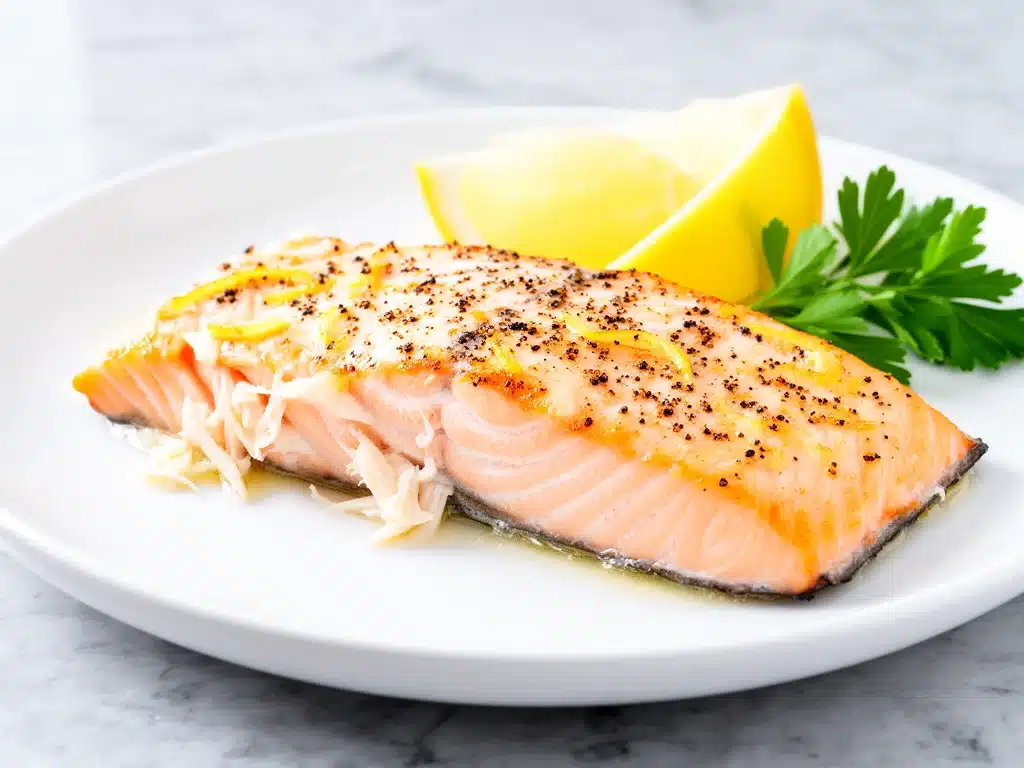
Let’s be honest for a second. There is a specific kind of panic that hits me around 5:30 PM on a Tuesday. You know the one. You’ve had a long day, the kids are hanging off your legs asking for snacks that aren’t quite dinner yet, and you’re staring into the refrigerator like it holds the secrets to the universe. Usually, it just holds leftover takeout containers and a wilting bunch of cilantro.
Three years ago, I was ready to give up on cooking entirely. I was living on frozen pizzas and whatever was in the freezer drawer that I couldn’t quite remember buying. Then, I made a decision to stop buying salmon that was already marinated. Those little plastic trays? They’re expensive, they’re often dry, and they never quite taste like the real deal. So, I started making my own lemon pepper salmon at home. I baked it. Just tossed it in the oven with simple ingredients I already had.
The first time I made it, I thought I’d ruined it. I put in too much lemon zest. But then I tasted it, and it was bright, zesty, and actually made me want to eat vegetables. My kids, who usually treat broccoli like it’s a personal insult, ate it with a fork. My husband asked if I ordered takeout because it tasted “fancy.” I laughed. It cost me about $12 and took 15 minutes of active prep time.
That was the beginning of my obsession. Since then, I’ve made this baked lemon pepper salmon recipe at least once a week for the last three years. It’s become the anchor of our weeknight dinners. It’s healthy, it’s fast, it’s cheap, and it tastes like a restaurant meal without the restaurant price tag or the 45-minute wait. If you’re tired of the same chicken routine or feeling guilty about ordering out, this is the recipe that will change your dinner life. Seriously. It’s that good.
Why You’ll Love This Lemon Pepper Salmon Recipe
I’ve tested this method dozens of times, tweaking the ratios of lemon to pepper, adjusting the baking time, and even trying different types of salmon. Here’s why this specific version has earned a permanent spot in my rotation, and why I think it will earn one in yours too.
- Lightning Fast — We’re talking 25 minutes from start to finish. That includes preheating the oven, which you could technically skip if you’re brave, but I don’t recommend it. I make this on the nights I’m exhausted, when I just want to eat and not stand over a stove.
- Minimal Cleanup — This is cooked on a sheet pan. Just line it with foil or parchment paper (I always use foil for easy cleanup), toss the fish in, bake, and scrape it all into the trash. No scrubbing pans. No washing multiple bowls. This is crucial for weeknight survival.
- Pantry-Friendly Ingredients — You probably have everything you need right now. Salmon, lemons, butter, black pepper, garlic, and maybe some herbs. If you don’t have fresh lemon, you can use juice, but fresh makes a world of difference. I keep lemons in the fridge specifically for this.
- Healthy Without Being Boring — Salmon is packed with omega-3s and protein. The lemon pepper seasoning adds flavor without needing heavy sauces or sugary glazes. It feels like a treat, but it’s actually fuel. My nutritionist friend loves it, and my kids think it’s delicious.
- Customizable Spice Level — Lemon pepper can be mild or spicy depending on how much black pepper you use. I like a good kick, but my kids get the version with just a pinch of pepper. It’s easy to adjust for your whole family.
This isn’t just a recipe; it’s a strategy for getting a healthy, delicious meal on the table when you have zero energy. It’s my go-to when I need dinner to just work. No complicated techniques, no weird ingredients, just reliable, delicious food that makes everyone happy.
Ingredients You’ll Need for the Best Baked Salmon
Here’s the best part: you don’t need a specialty grocery store for this. You don’t need fancy sauces or obscure spices. I’m particular about three things here, and I’ll tell you exactly why.
For the Salmon
Salmon fillets (1.5 to 2 pounds / 700-900g) — This is the star. I always buy wild-caught sockeye or Atlantic salmon if I can find it. Wild-caught has a firmer texture and more flavor, but farmed is perfectly fine and often more affordable. Look for fillets that are uniform in thickness so they cook evenly. If they’re super thin, they’ll dry out. If they’re super thick, they’ll be raw in the middle.
High-quality olive oil (2 tablespoons / 30ml) — You want a good extra virgin olive oil here. It adds richness and helps the seasoning stick. I don’t skimp on olive oil in this recipe. Cheap oil tastes bitter and grassy.
Unsalted butter (3 tablespoons / 45g) — Melted. This adds that rich, restaurant-quality mouthfeel. It also helps the lemon zest adhere to the fish. If you’re dairy-free, swap this for more olive oil or a dairy-free butter alternative, but the flavor isn’t quite the same.
For the Lemon Pepper Seasoning
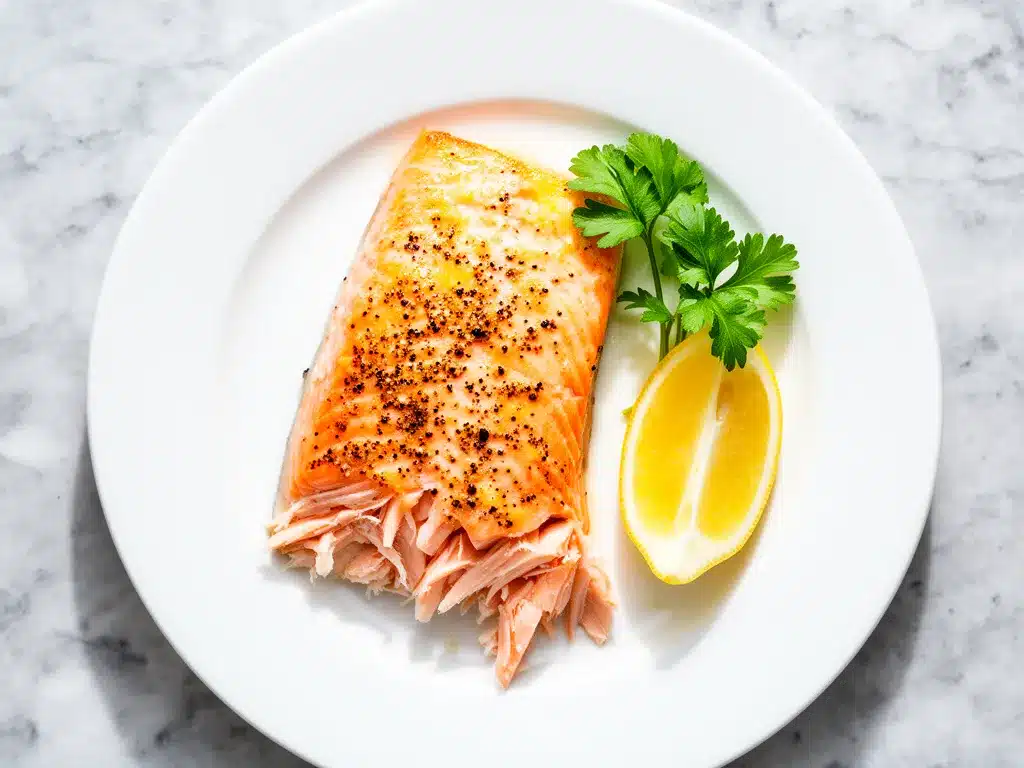
Fresh lemons (2 large) — You need both the zest and the juice. The zest is where all the flavor is. The juice adds brightness and acidity. I buy extra lemons just so I never run out. They keep for weeks in the fridge.
Freshly cracked black pepper (1 tablespoon / 15g) — This is non-negotiable. Do not use pre-ground pepper. Pre-ground pepper has lost its essential oils and tastes dusty. Freshly cracked pepper adds that sharp, aromatic heat that cuts through the richness of the salmon. I use a pepper mill for this.
Garlic (3 cloves, minced / about 1 tablespoon) — Fresh garlic only. No jarred garlic for this. It adds a savory depth that balances the citrus. Minced finely so it distributes evenly.
Dried parsley (1 teaspoon) — Just for color and a hint of herbal flavor. It’s optional, but I love the green flecks against the pink fish. Fresh parsley works too, but add it after baking so it doesn’t burn.
Salt (½ teaspoon / adjust to taste) — Since you’re using fresh lemon and pepper, you need salt to bring it all together. I use kosher salt. If you use table salt, start with less.
Optional Add-ins
Red pepper flakes (¼ teaspoon) — If you like a little heat, this is the way to go. It adds a subtle kick without overpowering the lemon.
Lemon slices (2 lemons, thinly sliced) — I like to place these on top of the salmon before baking. They look pretty and infuse extra flavor as they cook.
Equipment Needed
You don’t need fancy equipment for this. Here’s what I actually use.
Baking sheet or Sheet Pan — I use a standard 18×13 inch half-sheet pan. It fits four fillets comfortably with space between them. If you have a smaller pan, just cook in two batches. Crowding the pan steams the fish instead of baking it, and you want that nice exterior.
Foil or Parchment Paper — I always line my pan. It saves so much time on cleanup. Foil is better if you’re worried about sticking, but parchment is great for eco-friendly folks. Either works.
Zester or Microplane — For the lemon zest. A regular grater works, but a microplane gives you fine, fluffy zest that mixes beautifully with the butter and pepper. I use my microplane for everything.
Small bowl — For mixing the butter, lemon juice, zest, and spices. A small ramekin or even a mug works.
Fork — For flaking the salmon when it’s done. Also for checking if it’s cooked through.
Oven — Obviously. Preheated to 400°F (200°C). Make sure your oven is actually at that temperature. An oven thermometer is cheap and saves you from undercooked or overcooked fish.
How to Make It: Step-by-Step
Alright, let’s make this! I’m walking you through exactly how I do it, including the little tricks I’ve picked up.
Step 1: Prep Your Oven and Pan (5 minutes)
Preheat your oven to 400°F (200°C). While it’s heating, line your baking sheet with aluminum foil or parchment paper. I prefer foil because I can just ball it up and throw it away. No scrubbing. This step is crucial for easy cleanup.
Step 2: Prep the Salmon (5 minutes)
Rinse the salmon fillets under cold water and pat them very dry with paper towels. Moisture is the enemy of good baking. If the salmon is wet, it won’t get that nice sear. Place the fillets on the prepared baking sheet, leaving a little space between each one. Season the tops lightly with salt and pepper to start.
Step 3: Make the Lemon Pepper Butter Mixture (2 minutes)
In a small bowl, combine the melted butter, lemon zest, lemon juice, minced garlic, dried parsley, and freshly cracked black pepper. Whisk it together with a fork until it’s well combined. The mixture should look like a bright yellow, fragrant paste. Taste it—it should smell like lemon and pepper. If it doesn’t, add more zest or pepper.
Step 4: Coat the Salmon (2 minutes)
spoon the lemon pepper butter mixture over each fillet. Use the back of a spoon to spread it evenly over the top. Make sure you get some under the edges too. If you have lemon slices, place them on top of each fillet now. This adds a beautiful presentation and extra flavor.
Step 5: Bake the Salmon (12-15 minutes)
Place the baking sheet in the preheated oven. Bake for 12-15 minutes. The exact time depends on the thickness of your fillets. A good rule of thumb: 10 minutes per inch of thickness. You’ll know it’s done when the salmon flakes easily with a fork and is opaque throughout. The internal temperature should reach 145°F (63°C), though I prefer it at 135-140°F for a juicier result.
Step 6: Check and Serve
Take the salmon out of the oven. Let it rest for 2-3 minutes. This allows the juices to redistribute. Serve immediately, garnished with fresh parsley if you have it. The skin should be slightly crispy, and the flesh should be tender and moist.
Troubleshooting Tips:
– Skin is sticking to the pan? You didn’t dry the salmon enough, or the pan wasn’t lined. Next time, pat it dry and use foil.
– Salmon is dry? You overbaked it. Salmon continues to cook after it’s out of the oven. Take it out when it’s just barely opaque in the center.
– Lemon is bitter? You used too much zest. The white pith under the zest is bitter. Only use the yellow part.
Expert Tips & Tricks
Here’s everything I’ve learned from making this dozens of times. These tips will save you from my mistakes.
Pat the Salmon Dry
This is the #1 tip. Wet salmon steams instead of bakes. I always use paper towels to get it as dry as possible. It sounds tedious, but it makes a huge difference in texture.
Don’t Overcook It
Salmon dries out fast. I take mine out when it’s still slightly translucent in the very center. It will finish cooking on the plate. Overcooked salmon is sad, rubbery, and disappointing. Undercooked is safe and juicy.
Use Fresh Lemon Zest
Pre-bottled lemon juice is fine for the liquid part, but the zest MUST be fresh. The oils in the zest are where the flavor lives. If you don’t have fresh lemons, this recipe won’t taste right. Buy fresh lemons.
Room Temperature Butter
If your butter is cold, it won’t mix well with the lemon juice. Melt it gently in the microwave or a small pan. It should be warm, not hot.
Rest Before Serving
Letting the salmon rest for 2-3 minutes after baking keeps it juicy. If you cut into it immediately, the juices run out, and the fish dries faster.
Common Mistakes (and how to avoid them):
– Mistake: Salmon is undercooked
Fix: Use a meat thermometer. Insert it into the thickest part. 145°F is safe, but 135°F is better for texture.
– Mistake: Salmon is dry
Fix: Reduce baking time by 1-2 minutes. Check early.
– Mistake: Flavor is bland
Fix: Add more black pepper and lemon zest. Salmon needs bold seasoning.
Pro Tricks I’ve Learned:
– For Extra Crispy Skin
Place the salmon skin-side down on the foil. The foil conducts heat well, crisping the skin.
– For More Flavor
Add a pinch of red pepper flakes to the butter mixture. It adds a subtle heat that complements the lemon.
– For Better Presentation
Garnish with fresh parsley or dill after baking. It adds color and freshness.
Variations & Substitutions
Once you’ve nailed the basic version, here’s how you can mix it up. I’ve tried all of these.
Herb-Crusted Version
Add 1 tablespoon of dried dill or thyme to the butter mixture. It adds an earthy, aromatic flavor. Great with asparagus.
Spicy Lemon Pepper
Double the black pepper and add ½ teaspoon of red pepper flakes. For those who like a kick.
Honey Lemon Glaze
Add 1 tablespoon of honey to the butter mixture. It adds a subtle sweetness that balances the acidity. Great with Asian-style sides.
Garlic Lover’s
Add 2 more cloves of minced garlic to the mixture. For those who love garlic.
Dietary Modifications:
– Dairy-Free
Swap butter for olive oil or coconut oil. The flavor will be slightly different, but still delicious.
– Gluten-Free
This recipe is naturally gluten-free. Just check your spices to ensure they’re certified gluten-free.
Serving & Storage
How to Serve:
I usually serve this straight from the baking sheet. It looks rustic and stays warm. But here are other ways I’ve enjoyed it:
- With Rice or Quinoa
The lemon pepper butter sauce is amazing over rice or quinoa. It soaks up the flavor perfectly. - With Roasted Vegetables
Roasted broccoli, asparagus, or green beans are perfect sides. Toss them with the same lemon pepper mixture. - With Salad
A simple green salad with a vinaigrette works well. The salmon is rich, so a light salad balances it.
Storage Instructions:
Store leftovers in an airtight container in the fridge for up to 3 days. The salmon will firm up as it cools, which is normal.
Reheating:
Best method: Reheat in the oven at 350°F (175°C) for 10 minutes. This keeps it moist.
Microwave method: Heat in 30-second intervals. It can get rubbery in the microwave, so be careful.
Never works: Reheating in a skillet on high heat. It will dry out.
Freezing:
You can freeze baked salmon, but the texture changes. It becomes softer. I recommend freezing the raw salmon with the seasoning, then baking it fresh. If you freeze cooked salmon, use it in salads or sandwiches, not as a main dish.
Nutrition Information
I’m not a nutritionist, but here’s the breakdown if you’re tracking.
Per Serving (based on 4 servings):
- Calories: 320
- Protein: 34g
- Carbs: 2g
- Fiber: 0g
- Sugar: 1g
- Fat: 18g
- Saturated Fat: 7g
- Cholesterol: 95mg
- Sodium: 280mg
- Calcium: 20mg
What’s Good:
– High in protein and omega-3s
– Low in carbs
– Good source of vitamin D
What to Know:
– Higher in fat from butter and salmon
– Contains dairy
– Moderate sodium
My Take:
Look, this is healthy food. It’s not a diet recipe, but it’s nutritious. When I want to make it lighter, I use less butter and more lemon juice. But usually? I just eat a reasonable portion and enjoy it.
Final Thoughts
So that’s my go-to baked lemon pepper salmon! I’ve probably talked your ear off at this point, but when you make a recipe this often, you have a lot to say about it.
This has saved weeknight dinners more times than I can count. It’s my answer to “what’s for dinner” when I’m tired, don’t want takeout, and still want something that tastes really good. My kids are happy, my husband’s happy, and I’m happy because I’m not stressed about cooking.
Make it yours! Try different add-ins, swap in your favorite vegetables, adjust the lemon (though more is always better in my opinion). The best recipes are the ones you adapt to your family’s tastes.
If you make this, drop a comment and let me know what you think! I love hearing how recipes turn out in your kitchen. And if something doesn’t work, tell me that too—I’m here to help troubleshoot.
Happy cooking! And I hope your kitchen smells half as good as mine does right now.
Frequently Asked Questions
Can I use frozen salmon?
Yes, but you must thaw it completely first. Pat it dry very well. Frozen salmon has more water, so it can be mushy if not dried properly. I prefer fresh, but frozen works in a pinch.
Why did my salmon turn out dry?
Most likely, you overcooked it. Salmon cooks fast. Check it at 10 minutes. If it flakes easily, it’s done. Don’t wait for it to be fully opaque in the center.
Can I make this in an air fryer?
Yes! Cook at 400°F (200°C) for 8-10 minutes. Check early. Air fryers vary in power, so keep an eye on it.
What sides go best with lemon pepper salmon?
Rice, quinoa, roasted vegetables, or a simple salad. I love it with roasted asparagus or green beans.
Can I use pre-ground black pepper?
You can, but fresh cracked pepper tastes so much better. It has more aroma and heat. I don’t recommend pre-ground for this recipe.
How long does leftover salmon last?
Up to 3 days in the fridge. Reheat gently to keep it moist.
Can I double this recipe?
Yes, but use a larger baking sheet or cook in two batches. Don’t crowd the pan.
Pin This Recipe!
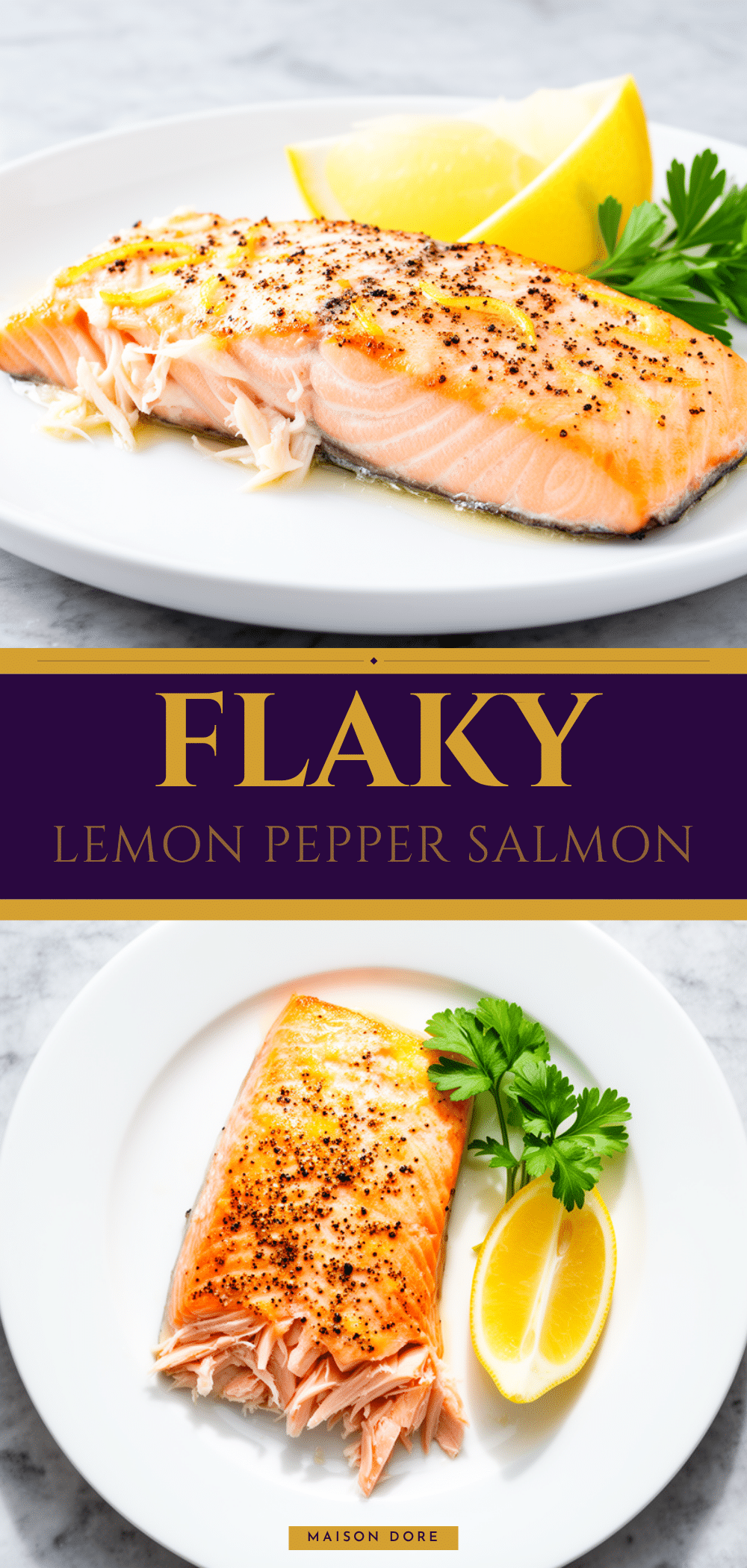
Baked Lemon Pepper Salmon: Easy 30-Minute Weeknight Dinner
- Total Time: 25 minutes
- Yield: 4 servings 1x
Description
A quick, healthy, and flavorful weeknight dinner featuring wild-caught salmon baked with a zesty lemon pepper butter mixture. This sheet-pan meal is ready in 25 minutes with minimal cleanup.
Ingredients
- 1.5 to 2 pounds salmon fillets (wild-caught sockeye or Atlantic)
- 2 tablespoons high-quality extra virgin olive oil
- 3 tablespoons unsalted butter, melted
- 2 large fresh lemons (zest and juice)
- 1 tablespoon freshly cracked black pepper
- 3 cloves garlic, minced
- 1 teaspoon dried parsley
- 1/2 teaspoon kosher salt (adjust to taste)
- Optional: 1/4 teaspoon red pepper flakes
- Optional: 2 lemons, thinly sliced for garnish
Instructions
- Preheat oven to 400°F (200°C). Line a 18×13 inch baking sheet with aluminum foil or parchment paper.
- Rinse salmon fillets under cold water and pat them very dry with paper towels. Place on the prepared baking sheet, leaving space between fillets. Season tops lightly with salt and pepper.
- In a small bowl, whisk together melted butter, lemon zest, lemon juice, minced garlic, dried parsley, and freshly cracked black pepper until well combined.
- Spoon the lemon pepper butter mixture over each fillet, spreading it evenly. If using, place lemon slices on top.
- Bake for 12-15 minutes, or until salmon flakes easily with a fork and is opaque throughout. Internal temperature should reach 135-145°F.
- Remove from oven and let rest for 2-3 minutes before serving.
Notes
Pat the salmon dry before baking to ensure it bakes rather than steams. Do not overcook; salmon continues to cook after removal from the oven. For crispy skin, place salmon skin-side down on the foil. If using frozen salmon, thaw completely and pat very dry.
- Prep Time: 15 minutes
- Cook Time: 12-15 minutes
- Category: Main Course
- Cuisine: American
Nutrition
- Serving Size: 1 fillet
- Calories: 320
- Sugar: 1
- Sodium: 280
- Fat: 18
- Saturated Fat: 7
- Carbohydrates: 2
- Protein: 34
Keywords: baked salmon, lemon pepper salmon, weeknight dinner, healthy seafood, sheet pan dinner, quick meals, gluten-free


