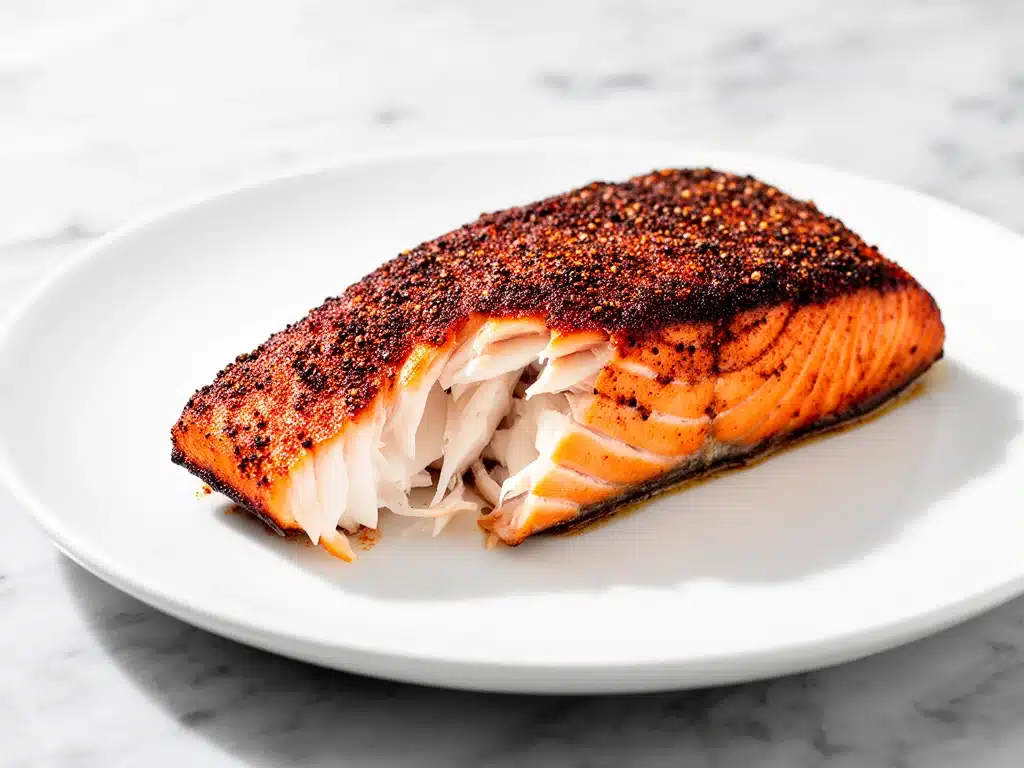
Three years ago, I stood in my kitchen at 7:15 PM on a Tuesday, staring at a package of salmon that had been thawing in the fridge for way too long. I was exhausted. I had zero energy to chop vegetables, sauté anything, or deal with a complicated marinade. I wanted dinner, but I didn’t want to order takeout because I knew I’d regret the grease and the cost the next morning. So, I did what I always do when I’m desperate: I threw spices in a bowl.
I didn’t have a recipe. I just had a jar of Cajun seasoning, some paprika, a little garlic powder, and a bottle of olive oil. I rubbed it on the fish, popped it under the broiler, and waited. Ten minutes later, the house smelled incredible—smoky, spicy, and savory. When I took it out, the crust was dark and crispy, and the inside was still pink and tender. I took one bite and realized I had accidentally stumbled onto the best quick weeknight dinner hack I’d ever found.
That was the night I started making this Flaky Blackened Cajun Salmon regularly. Not because I’m a huge spice enthusiast (I actually prefer mild food most of the time), but because it works. It’s fast. It’s flavorful. And it doesn’t require me to think about it. Now, it’s my go-to when I need to feed my family something that tastes like I put in effort, even though it took less time than it takes to scroll through delivery apps. If you’re tired of boring baked chicken or bland fish sticks, you need to try this method. It’s a game-changer.
Why You’ll Love This Recipe
I’ve made this salmon at least fifty times since that random Tuesday in 2021. It’s become a staple in our rotation, right up there with my gluten-free banana bread for weekends. Here’s why it stays in the rotation and why I think it’ll become a favorite for you too:
- Under 20 Minutes Total — Seriously. From fridge to plate, it’s about 15 minutes of active work and cooking. I make this on weeknights when I’m running on fumes, and it never fails. No prep, no marinating overnight, no waiting.
- One Pan (Mostly) — You just need a skillet and a baking sheet (or broiler pan). Cleanup is a breeze. I hate washing dishes, and this recipe respects that hatred.
- Restaurant-Quality Crust — The secret isn’t fancy equipment; it’s the spice blend and the heat. You get that dark, crispy, blackened crust that smells amazing, without needing a deep fryer or a smoker.
- Healthy & High Protein — Salmon is packed with omega-3s and protein. It’s a nutritious dinner that doesn’t feel like “diet food.” It tastes indulgent, but it’s good for you. My kids eat it without complaining, which is a miracle in itself.
- Flexible Spiciness — Cajun seasoning can range from mild to “why is my tongue on fire?” You control the heat. I use a medium blend, but if you like it spicy, you can add extra cayenne. It’s customizable.
- Leftovers Actually Taste Good — I know, I know. People say fish doesn’t reheat well. But this blackened salmon stays moist and flavorful the next day. I often pack it for lunch with a side of greens.
This recipe is my answer to “what’s for dinner?” when I’m tired, broke, and hungry. It’s reliable, delicious, and makes you feel like a culinary pro without the stress.
Ingredients You’ll Need
Here’s the best part: you probably have most of this already. I’m particular about two things here—the quality of the salmon and the freshness of the spices—but everything else is basic pantry stuff.
For the Salmon
- Salmon Fillets (4 pieces, about 6 oz each / 170g each) — Look for wild-caught if you can afford it; it has better flavor and texture. Skin-on or skinless works, but skin-on helps keep it moist. Make sure they’re roughly the same thickness so they cook evenly.
- Neutral Oil (2 tablespoons / 30ml) — Avocado oil or grapeseed oil is best because of the high smoke point. Olive oil works too, but can burn at high heat. This oil helps the spices stick and creates that crust.
For the Blackened Spice Blend
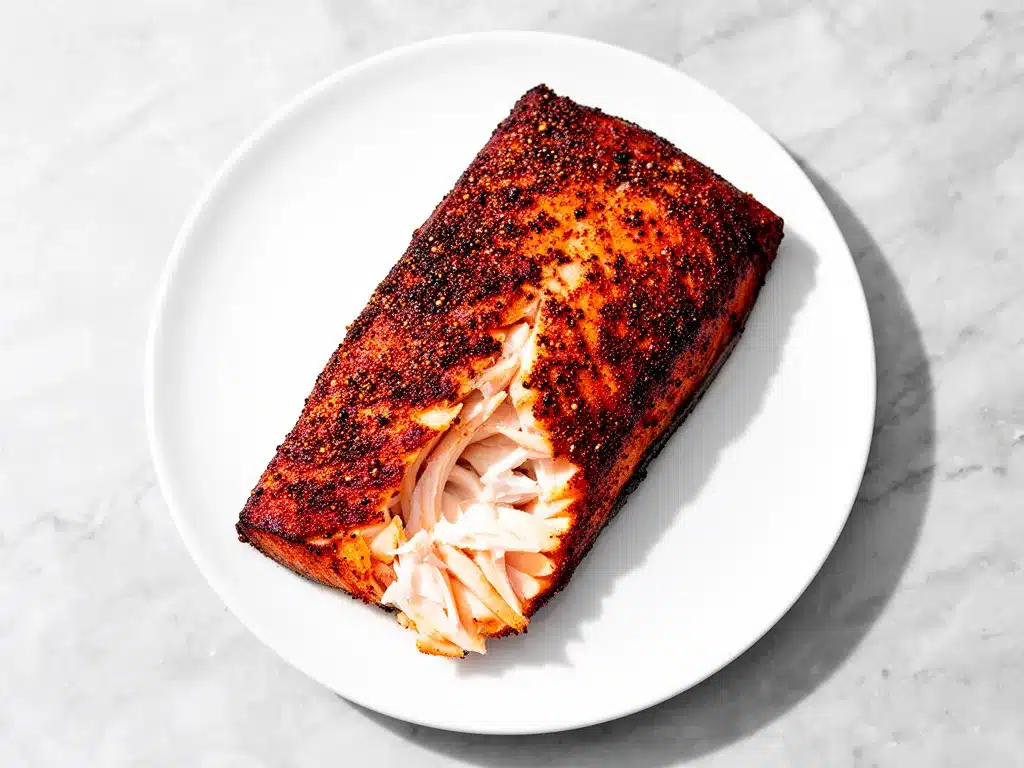
- Paprika (2 teaspoons) — This is the base. It gives that deep red color and smoky flavor. Smoked paprika is even better if you have it.
- Garlic Powder (1 teaspoon) — Not fresh garlic (that burns too fast). Powder distributes evenly and toasts nicely.
- Onion Powder (1 teaspoon) — Adds savory depth without the texture of chopped onion.
- Cayenne Pepper (1/2 to 1 teaspoon) — This is where the heat lives. Start with 1/2 teaspoon if you’re sensitive to spice. I use 1 teaspoon for that kick.
- White Pepper (1/2 teaspoon) — This is the secret ingredient. It adds a different kind of heat than black pepper and is traditional in Cajun cooking. If you don’t have it, black pepper works, but white is better.
- Dried Thyme (1/2 teaspoon) — Earthy and aromatic. Don’t skip this; it balances the heat.
- Dried Oregano (1/2 teaspoon) — Another classic herb that adds complexity.
- Sea Salt (1 teaspoon) — Essential for flavor. Kosher salt is best because it’s less salty by volume.
- Black Pepper (1/2 teaspoon) — Just a little for background crunch.
Quick Tip: I mix all these spices in a small jar before I start cooking. It saves time and ensures every fillet gets the same flavor profile. If you’re making this often, keep a pre-mixed jar in your spice rack. It’s like having a shortcut to flavor.
Equipment Needed
You don’t need fancy gadgets for this. Here’s what I actually use:
- Large Skillet — Cast iron is my favorite because it holds heat well. Stainless steel works too. Avoid non-stick if you want that true blackened crust, but it’s not a dealbreaker.
- Baking Sheet or Broiler Pan — For finishing the salmon in the oven. If you have a broiler, this is key. If not, you can just cook it all in the skillet, but it takes longer.
- Bowl — For mixing the spices.
- Pastry Brush or Fork — To coat the salmon with oil and spices evenly.
That’s it. No food processor, no special pans. Just basic kitchen tools. If you have a cast iron skillet, you’re golden.
How to Make It: Step-by-Step
Alright, let’s make this! I’m walking you through exactly how I do it, including the little tricks I’ve picked up over the years.
Step 1: Prep Your Oven and Pan (5 minutes)
Preheat your oven to 400°F (200°C). If you want a true blackened crust, turn the broiler on high for the last 2-3 minutes. Meanwhile, place a large skillet (cast iron is best) on the stove and let it heat up over medium-high heat. You want it hot before the salmon goes in. This is crucial for that crust.
Step 2: Mix the Spice Blend
In a small bowl, combine the paprika, garlic powder, onion powder, cayenne, white pepper, thyme, oregano, salt, and black pepper. Stir well. Taste a tiny pinch (don’t eat a spoonful of cayenne!) to check the heat level. Adjust if needed.
Step 3: Coat the Salmon
Pat the salmon fillets dry with paper towels. This sounds boring, but dry fish gets a better crust. Rub each fillet lightly with the neutral oil. Then, sprinkle the spice blend generously over both sides. Press the spices into the fish with your fingers so they stick. Don’t be shy with the spices; you want a thick, even coating.
Step 4: Sear in the Skillet (5-6 minutes)
Once your skillet is hot, place the salmon fillets in the pan. Don’t crowd them; cook in batches if necessary. Sear for 3-4 minutes on the first side. You’ll see the spices darken and form a crust. Do not move them around! Let them sit. After 3-4 minutes, flip them over. The second side only needs 2-3 minutes.
Step 5: Finish in the Oven (2-3 minutes)
Transfer the skillet to the preheated oven (if using cast iron) or move the salmon to a baking sheet. Bake for 2-3 minutes, or until the internal temperature reaches 145°F (63°C). The fish should be opaque and flake easily with a fork. If you’re broiling, watch it closely—it can burn in seconds!
Step 6: Rest and Serve
Remove the salmon from the heat and let it rest for 2 minutes. This allows the juices to redistribute. Serve immediately with your favorite sides.
Total Time: About 20 minutes (5 minutes prep, 15 minutes cooking)
Expert Tips & Tricks
Here’s everything I’ve learned from making this dozens of times. These tips will save you from my mistakes.
- Don’t Skip the Dry Pat — Wet salmon steams instead of searing. Paper towels are your friend. Get it as dry as possible before oiling.
- Hot Pan, Cold Fish — Make sure your skillet is hot before adding the salmon. If it’s not hot enough, the spices will burn before the fish cooks. If it’s too hot, they’ll burn instantly. Medium-high is the sweet spot.
- Let It Sear — Don’t touch the salmon for the first 3 minutes. If you try to flip it too early, the crust will stick and tear off. It’s ready when it releases easily from the pan.
- Watch the Broiler — If you use the broiler, stand by the oven. Salmon under a broiler goes from perfect to charcoal in about 30 seconds. Set a timer.
- Use a Meat Thermometer — This is the only way to guarantee flaky, not mushy, salmon. Pull it at 140°F; it’ll carry over to 145°F while resting. Overcooked salmon is dry and sad.
Common Mistake: Using too much oil. You don’t need to deep-fry it. Just a light coat is enough to help the spices adhere. Too much oil will make the spices slide off and create a greasy mess.
Variations & Substitutions
Once you’ve nailed the basic version, here’s how you can mix it up. I’ve tried all of these.
Spice Level Adjustments
- Mild: Reduce cayenne to 1/4 teaspoon and add extra paprika for color.
- Medium: Use 1/2 to 1 teaspoon cayenne (my preference).
- Hot: Use 1-2 teaspoons cayenne and add a pinch of crushed red pepper flakes.
Flavor Twists
- Lemon Herb: Add lemon zest to the spice mix and serve with lemon wedges. Brightens the rich flavor.
- Smoky Chipotle: Swap paprika for chipotle powder for a different kind of heat and smoke.
- Herb-Crusted: Add fresh parsley and dill to the spice blend after cooking for a fresh finish.
Dietary Modifications
- Gluten-Free: This recipe is naturally gluten-free. Just check your spice blends for anti-caking agents (some contain wheat).
- Dairy-Free: Naturally dairy-free. No butter needed.
- Keto: Perfect for keto. Just skip any starchy sides and serve with cauliflower rice or a green salad.
If you’re looking for other quick, low-carb meals, I also love my keto crispy air fryer chicken wings for a different kind of weeknight protein.
Serving & Storage
How to Serve
I usually serve this salmon with simple sides that don’t compete with the bold flavors. Here’s what I pair it with:
- Roasted Vegetables — Asparagus, broccoli, or green beans roasted with olive oil and salt.
- Rice or Quinoa — Plain white rice, brown rice, or quinoa to soak up the spices.
- Salad — A simple green salad with vinaigrette cuts through the richness.
- Avocado — Sliced avocado adds creaminess and balances the heat.
Storage Instructions
- Refrigerator: Store leftovers in an airtight container for up to 3 days. The salmon stays moist if stored properly.
- Reheating: Reheat gently in a skillet over low heat or in the microwave at 50% power. Avoid high heat, which dries it out. Add a splash of water or lemon juice to refresh it.
- Freezing: I don’t recommend freezing cooked salmon. It loses texture. Freeze raw, seasoned fillets for up to 3 months if you want to meal prep.
Pro Tip: If you’re meal prepping, cook the salmon and sides separately. Combine them just before eating to keep everything fresh.
Nutrition Information
I’m not a nutritionist, but here’s the breakdown if you’re tracking. Per serving (1 fillet, based on 4 servings):
| Nutrient | Amount |
|---|---|
| Calories | 320 |
| Protein | 34g |
| Carbs | 2g |
| Fiber | 1g |
| Sugar | 0g |
| Fat | 18g |
| Sodium | 450mg |
What’s Good: High protein, low carb, rich in omega-3s. It’s a nutrient-dense meal that keeps you full.
What to Know: Sodium can vary based on your spice blend. Use low-sodium spices if you’re watching salt. The fat content is healthy fats from the salmon and oil.
My Take: This is comfort food with a kick. It’s not a diet recipe, but it’s wholesome and satisfying. I enjoy it as a main course with veggies for a balanced meal.
Final Thoughts
So that’s my go-to Flaky Blackened Cajun Salmon! I’ve probably talked your ear off at this point, but when you make a recipe this often, you have a lot to say about it. This has saved weeknight dinners more times than I can count. It’s my answer to “what’s for dinner?” when I’m tired, don’t want takeout, and still want something that tastes really good. My kids are happy, my husband’s happy, and I’m happy because I’m not stressed about cooking.
Make it yours! Try different spice levels, swap in your favorite vegetables, or serve it with different grains. The best recipes are the ones you adapt to your family’s tastes. If you make this, drop a comment and let me know what you think! I love hearing how recipes turn out in your kitchen. And if something doesn’t work, tell me that too—I’m here to help troubleshoot.
Happy cooking! And I hope your kitchen smells half as good as mine does right now.
Frequently Asked Questions
Q: Can I use frozen salmon?
A: Yes, but you must thaw it completely first. Pat it dry very well. Frozen salmon often has more moisture, which can prevent the crust from forming. If you’re in a rush, thaw it in cold water for 30 minutes.
Q: Why did my spices burn?
A: The heat was too high. Cajun spices burn quickly. If your pan is too hot, the spices will char before the fish cooks. Lower the heat to medium and ensure the pan is hot but not smoking before adding the salmon.
Q: Can I make this in the air fryer?
A: Absolutely! Preheat the air fryer to 400°F. Cook the salmon for 8-10 minutes, flipping halfway. It’s a great option if you don’t want to use the oven. Just watch it closely, as air fryers vary in power.
Q: Is blackened salmon healthy?
A: Yes! Salmon is rich in omega-3 fatty acids and protein. The blackening process uses minimal oil compared to frying. It’s a much healthier alternative to breaded or fried fish.
Q: What sides go best with blackened salmon?
A: I recommend simple, fresh sides. Roasted asparagus, steamed broccoli, quinoa, or a crisp green salad with lemon vinaigrette all pair beautifully. Avoid heavy, creamy sides that might clash with the spices.
Q: Can I double this recipe?
A: Yes! Just make sure your skillet isn’t overcrowded. Cook in batches if needed. Overcrowding steams the fish instead of searing it, so give each fillet space.
Q: How do I know when the salmon is done?
A: Use a meat thermometer. Insert it into the thickest part of the fillet. When it reads 145°F, it’s done. Alternatively, the fish should be opaque and flake easily with a fork.
Pin This Recipe!
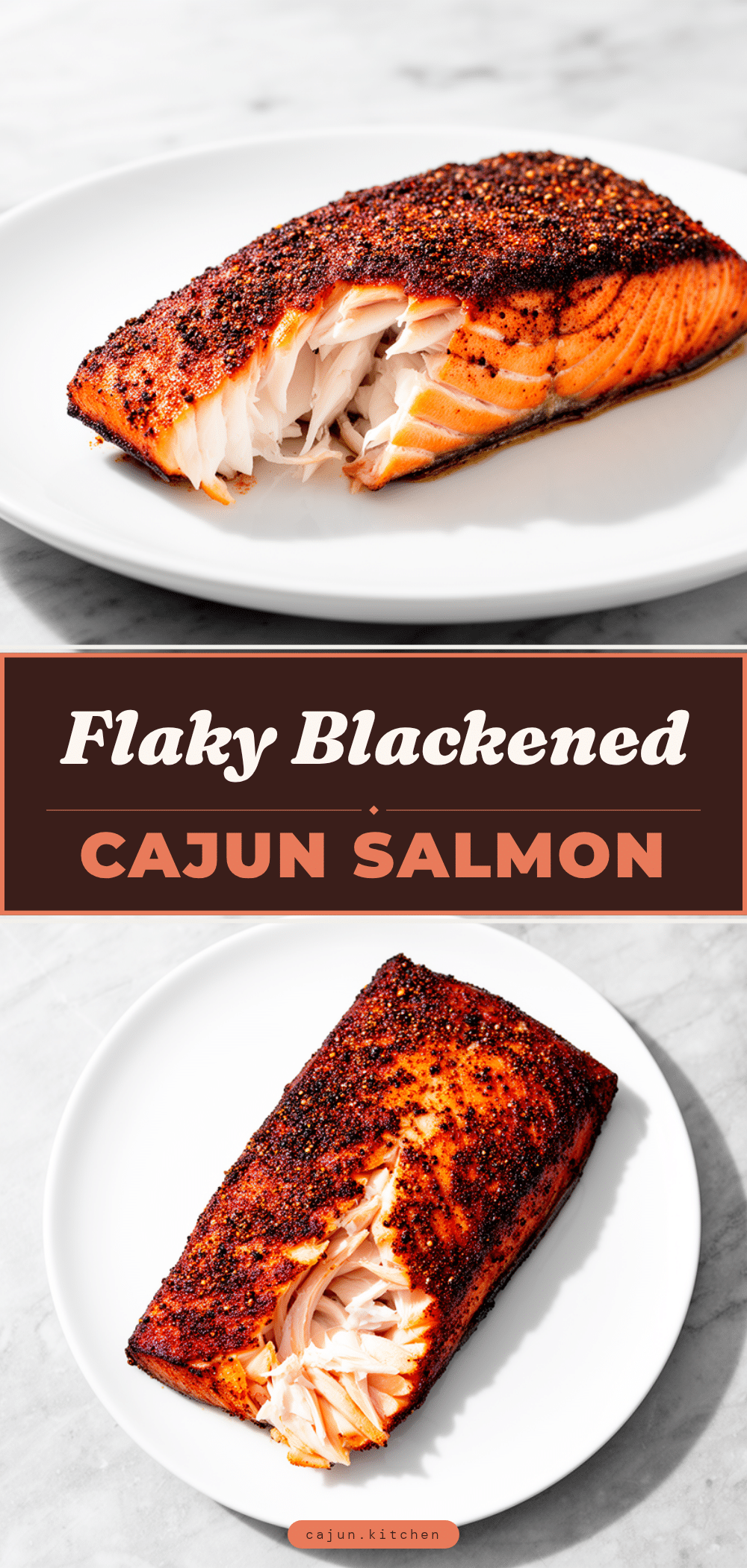
Flaky Blackened Cajun Salmon: 20-Minute Dinner
- Total Time: 20 minutes
- Yield: 4 servings 1x
Description
A quick and flavorful weeknight dinner featuring salmon fillets coated in a spicy Cajun spice blend, seared in a skillet, and finished in the oven for a crispy, blackened crust.
Ingredients
- 4 salmon fillets (about 6 oz each)
- 2 tablespoons neutral oil (avocado or grapeseed)
- 2 teaspoons paprika
- 1 teaspoon garlic powder
- 1 teaspoon onion powder
- 1/2 to 1 teaspoon cayenne pepper
- 1/2 teaspoon white pepper
- 1/2 teaspoon dried thyme
- 1/2 teaspoon dried oregano
- 1 teaspoon sea salt
- 1/2 teaspoon black pepper
Instructions
- Preheat oven to 400°F (200°C). If desired, turn broiler on high for the last 2-3 minutes.
- Place a large skillet (cast iron preferred) on the stove and heat over medium-high heat.
- In a small bowl, combine paprika, garlic powder, onion powder, cayenne, white pepper, thyme, oregano, salt, and black pepper. Stir well.
- Pat salmon fillets dry with paper towels. Rub each fillet lightly with neutral oil.
- Sprinkle the spice blend generously over both sides of the salmon, pressing spices into the fish to adhere.
- Place salmon fillets in the hot skillet. Sear for 3-4 minutes on the first side without moving them.
- Flip fillets and cook for another 2-3 minutes.
- Transfer skillet to the oven (or move salmon to a baking sheet) and bake for 2-3 minutes until internal temperature reaches 145°F (63°C).
- Remove from heat and let rest for 2 minutes before serving.
Notes
Ensure the salmon is completely dry before oiling to help the crust form. Do not overcrowd the pan; cook in batches if necessary. Watch closely if using the broiler as spices can burn quickly. For a milder spice level, reduce cayenne to 1/4 teaspoon.
- Prep Time: 5 minutes
- Cook Time: 15 minutes
- Category: Main Course
- Cuisine: Cajun
Nutrition
- Serving Size: 1 fillet
- Calories: 320
- Sodium: 450
- Fat: 18
- Saturated Fat: 3
- Carbohydrates: 2
- Fiber: 1
- Protein: 34
Keywords: blackened salmon, cajun salmon, quick dinner, weeknight meals, healthy seafood, high protein, gluten-free, keto-friendly


