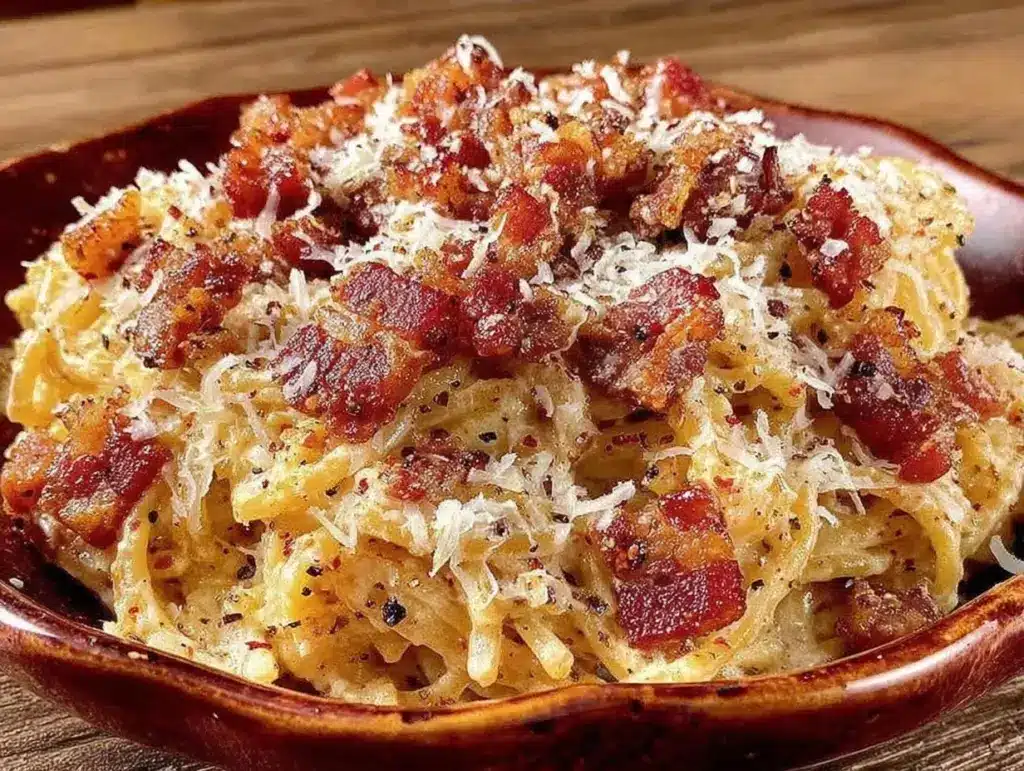
I still remember the exact moment I realized everything I knew about carbonara was wrong. I was in a tiny trattoria in Rome, sitting at a wobbly table with a view of the cobblestones, and I ordered what I thought was the classic creamy pasta. It arrived looking… flat. No yellow swirls of cream. Just glossy, dark specks of pepper and shiny strands of pasta clinging to a sauce that looked more like oil than anything else. I was confused. Where was the cream? Where was the cheesy richness I grew up with?
The waiter, a man with a mustache that demanded respect, saw my hesitation. “No cream,” he said simply, as if that explained everything. “Carbonara is eggs, cheese, pork, and pepper. That’s it.”
I took a bite. And then another. It was silky, rich, and deeply savory in a way that felt almost luxurious. The sauce coated my tongue like velvet. It wasn’t just pasta; it was an experience. That night, I came home and threw out my “creamy” carbonara recipe. I vowed to learn the authentic way. It took me three failed attempts, one very grainy sauce, and a lot of panic, but I finally nailed it. And now, I want to share that triumph with you.
This authentic Italian carbonara with guanciale is not just a recipe; it’s a lesson in patience and quality. It’s the dish that makes people sit up and pay attention at the dinner table. When you serve this, you’re not just feeding them; you’re showing them you know how to cook. It’s rich, it’s indulgent, and it’s surprisingly simple if you know the tricks. I’ve made this for dinner parties where guests asked for the recipe before they’d even finished their wine. It’s that kind of dish.
Why You’ll Love This Authentic Italian Carbonara
There’s a reason this dish has survived for centuries in Italy while countless other pasta recipes come and go. It’s honest. It’s bold. And it’s ridiculously satisfying. Here’s why this authentic Italian carbonara with guanciale has earned a permanent spot in my rotation, and why it will likely earn a spot in yours too.
- It’s Silky Without Being Heavy — No cream means the sauce is made entirely from emulsified eggs and cheese. The result is a texture that’s impossibly smooth and glossy, coating every strand of pasta without weighing you down. It feels decadent, but it’s actually lighter than you’d expect.
- Guanciale is a Game-Changer — I know, it’s harder to find than bacon. But trust me, the difference is night and day. Guanciale is cured pork jowl, and it has a higher fat content and a more delicate, porky flavor. When rendered, it melts into the sauce, creating little crispy chips that add texture and deep savory notes you just can’t get from bacon.
- It Comes Together in Minutes — Once you prepped your ingredients, this dish takes less than 15 minutes to cook. It’s the perfect weeknight dinner when you want to feel fancy but don’t have hours to spend in the kitchen. Or, it’s the perfect “make ahead” sauce component for a weekend dinner party.
- It’s a Crowd-Pleaser — I’ve served this to picky eaters, food snobs, and people who claim they “don’t like pasta.” Everyone loves it. The combination of salty pork, sharp cheese, and black pepper is universally appealing. It’s comfort food elevated to art.
- It Tastes Better Than Takeout — Honestly, you’ll never order carbonara at a restaurant again. This version is fresher, richer, and made with ingredients you control. Plus, it’s cheaper than ordering out, and you get to enjoy the process of making it.
This isn’t just dinner. It’s a moment. It’s the kind of meal that makes you slow down, savor each bite, and appreciate the simple beauty of good food. Once you taste it, you’ll understand why Italians guard this recipe so closely.
Ingredients You’ll Need for Authentic Carbonara
This recipe relies on just a handful of ingredients, which means quality is everything. You can’t hide behind complex spice blends or heavy creams. What you have is what you get. So, let’s talk about what makes the magic happen.
For the Pasta Base
Spaghetti or Rigatoni (1 pound / 450g) — Traditionally, spaghetti is used, and I stick with it for that classic look. But if you prefer a shape that holds sauce better, rigatoni or bucatini are excellent choices. I recommend using a high-quality dried pasta like De Cecco or Rummo. They have a rough texture that helps the sauce cling better than fresh pasta.
Salt (1 tablespoon / 15g) — For the pasta water. It needs to be heavily salted. If the water doesn’t taste like the sea, your pasta will taste bland, no matter how good your sauce is.
For the Sauce
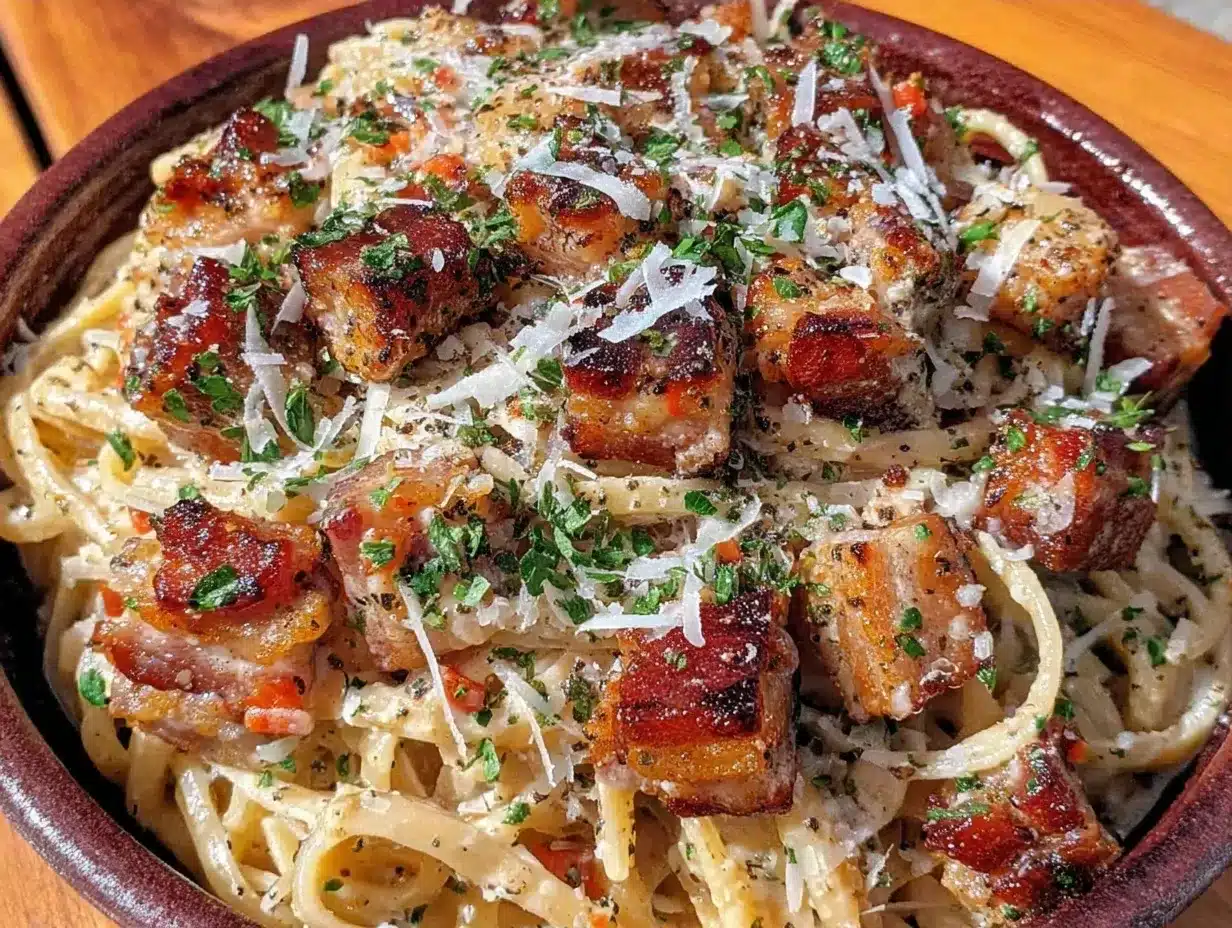
Guanciale (8 ounces / 225g) — This is the star. Look for it at specialty Italian markets or online. If you absolutely cannot find it, pancetta is the next best option. Bacon is a distant third choice, and I only recommend it in a pinch. If you use bacon, choose thick-cut, applewood-smoked, and remove as much smoke flavor as possible by parboiling it first.
Egg Yolks (4 large yolks) — We use yolks for richness and color. Some recipes call for whole eggs, but I find yolks create a silkier, more luxurious sauce. The whites can make it a bit rubbery if not handled perfectly.
Whole Eggs (1 large) — I add one whole egg to balance the richness of the yolks and provide structure. This ratio gives you the perfect creamy texture without being too heavy.
Pecorino Romano (1 cup / 100g, freshly grated) — This is a sharp, salty sheep’s milk cheese. It’s essential for the authentic flavor. Do not use Parmesan unless you’re making a hybrid version (which is fine, but not traditional). Grate it yourself. Pre-grated cheese contains anti-caking agents that prevent it from melting smoothly, leading to a grainy sauce.
Freshly Cracked Black Pepper (2 teaspoons) — Generous amounts. The pepper should be visible in the final dish. Use a pepper mill and grind it fresh. Pre-ground pepper lacks the aromatic punch needed here.
Optional but Recommended
Butter (1 tablespoon) — I add a small knob of butter at the end if I want extra gloss, though purists will argue against it. It’s a personal preference tweak that works well for home cooks.
Pro Tip: Bring your eggs to room temperature 30 minutes before cooking. Cold eggs can shock the hot pasta and scramble the yolks, creating egg droplets instead of a smooth sauce. I know, it’s an extra step, but it prevents disaster.
Equipment Needed
You don’t need a fancy kitchen to make this. Just a few basic tools, used correctly.
- Large Skillet or Dutch Oven — You need a wide pan to render the guanciale and toss the pasta. A 12-inch skillet is ideal. Stainless steel or cast iron works best, but heavy non-stick is fine if you’re careful with heat.
- Large Pot — For boiling the pasta. Needs to hold 4 quarts minimum.
- Mixing Bowl — For whisking the eggs and cheese. A medium-sized bowl works well.
- Whisk — Essential for creating a smooth egg mixture without lumps.
- Tongs — For tossing the pasta. Forks can work, but tongs give you better control.
- Pepper Mill — For fresh cracking. It makes a huge difference in aroma.
- Microplane or Fine Grater — For the cheese. You want it fine enough to melt instantly.
Tool Tip: I keep a pair of kitchen shears handy to cut the guanciale into smaller pieces before cooking. It saves time and ensures even rendering.
How to Make It: Step-by-Step
Alright, let’s make this! I’m walking you through exactly how I do it, including the little tricks I’ve picked up over the years. The key is to work quickly and keep the heat low when combining the eggs.
Step 1: Render the Guanciale (10 minutes)
Cut the guanciale into strips or cubes, about half-inch thick. Place them in a cold skillet. Turn the heat to medium-low. As the pan heats up, the fat will start to render out. Stir occasionally. You want the guanciale to become golden brown and crispy, but not burnt. This should take about 10 minutes. Once crispy, remove the guanciale with a slotted spoon, leaving the rendered fat in the pan. Set the crispy pork aside on a paper towel.
Why this matters: Rendering the fat slowly ensures it’s liquid and ready to emulsify with the eggs later. High heat will burn the pork and make the fat smoky.
Step 2: Cook the Pasta (8-10 minutes)
Bring a large pot of heavily salted water to a boil. Add the spaghetti or rigatoni. Cook according to package directions until al dente. IMPORTANT: Before draining, scoop out 1 cup of pasta water and set it aside. This starchy water is the secret to a creamy sauce. Drain the pasta, but do not rinse it.
Why this matters: The starch in the water helps bind the oil and eggs into a stable emulsion. Rinsing removes that starch, and you’ll end up with oily, separate sauce.
Step 3: Whisk the Egg Mixture (2 minutes)
While the pasta cooks, whisk the egg yolks and whole egg in a mixing bowl. Add the grated Pecorino Romano and a generous amount of freshly cracked black pepper. Whisk until you have a thick, smooth paste. Taste it—it should be very salty and peppery. This mixture will be your sauce.
Why this matters: The cheese and eggs need to be fully combined before they hit the heat. Any lumps of cheese will remain visible in the final dish.
Step 4: Combine Pasta and Fat (2 minutes)
Turn off the heat under the skillet with the rendered guanciale fat. Add the hot, drained pasta to the pan. Toss vigorously with tongs to coat every strand in the fat. Add the crispy guanciale back in. The pasta should be hot, but the pan should be off the heat. This is crucial to prevent scrambling.
Why this matters: The residual heat from the pasta is enough to cook the eggs gently. Direct heat will scramble them.
Step 5: Create the Sauce (3 minutes)
Remove the pan from the heat completely. Wait 30 seconds for the temperature to drop slightly. Pour the egg and cheese mixture over the pasta. Add a splash of reserved pasta water (about ¼ cup). Toss immediately and continuously. The friction and heat will cook the eggs into a creamy sauce. If it looks too thick, add more pasta water, a tablespoon at a time. If it looks too thin, keep tossing—the sauce will thicken as it cools slightly.
Why this matters: This is the moment of truth. Keep moving! The goal is a glossy, creamy coating, not scrambled eggs.
Step 6: Serve Immediately
Plate the pasta immediately. Top with extra cracked black pepper and a few pieces of crispy guanciale. Drizzle with a tiny bit of extra virgin olive oil if you want extra gloss. Serve right away. Carbonara waits for no one.
Visual Cue: The finished dish should look shiny and glossy, with distinct strands of pasta coated in a light yellow sauce, flecked with black pepper and crispy pork.
Expert Tips & Tricks
Here’s everything I’ve learned from making this dozens of times. These tips will save you from my mistakes.
- Control the Heat — The biggest mistake people make is keeping the heat on too high. Always remove the pan from the burner before adding the egg mixture. The residual heat is perfect. If your pan is very hot, let it sit for a minute.
- Save the Pasta Water — I can’t stress this enough. That starchy water is the glue that holds the sauce together. Have a measuring cup ready before you drain the pasta.
- Grate Your Own Cheese — Pre-grated Pecorino has cellulose in it. It won’t melt. Buy a wedge and grate it fresh. It takes two minutes and makes a huge difference.
- Room Temperature Eggs — Cold eggs shock the hot pasta. Let them sit out for 30 minutes. It prevents scrambling and ensures a smoother emulsion.
- Don’t Skimp on Pepper — The name “carbonara” comes from “carbone” (charcoal). The black pepper should be visible and bold. Use a good amount.
Common Mistake: Sauce is too watery. Fix: You didn’t toss long enough, or you added too much pasta water. Keep tossing! The sauce thickens as it cools. If it’s still too thin, add a bit more grated cheese.
Common Mistake: Sauce is scrambled. Fix: The pan was too hot. Next time, wait longer after removing from heat, or add more pasta water to cool it down slightly before adding eggs.
Variations & Substitutions
Once you’ve mastered the basic version, here’s how you can mix it up. I’ve tried all of these.
The Pancetta Swap
If you can’t find guanciale, pancetta is the authentic substitute. It’s cured pork belly, so it’s leaner but still delicious. Use the same amount. Avoid bacon unless it’s your only option, as the smoke flavor clashes with the delicate egg sauce.
The Cheese Mix
Some Italians mix Pecorino Romano with Parmigiano-Reggiano (50/50) for a milder flavor. This is common in Rome. If Pecorino is too sharp for you, try this blend. Just keep in mind it’s less traditional.
Add Greens
Toss in a handful of fresh spinach or broccoli rabe in the last minute of pasta cooking. It adds color and nutrition, though purists will roll their eyes. I do it for my kids.
Dietary Modifications
Gluten-Free: Use gluten-free pasta. The technique is the same. Just be careful not to overcook it, as GF pasta can get mushy.
Dairy-Free: This is hard. The egg and cheese are central. You could try a cashew cream sauce, but it won’t be carbonara. I’d skip it rather than serve a poor imitation.
Serving & Storage
How to Serve: I usually serve this straight from the skillet at the dinner table. It looks rustic and stays warm. Pair it with a simple arugula salad with lemon vinaigrette to cut the richness. A glass of Chianti or Pinot Grigio goes perfectly.
Storage: Carbonara is best eaten fresh. It does not reheat well. The eggs can become rubbery, and the sauce can separate. If you must store leftovers, refrigerate in an airtight container for up to 2 days. Reheat gently in a skillet with a splash of water, stirring constantly. But honestly? It’s worth making just enough for one meal.
Nutrition Information
I’m not a nutritionist, but here’s the breakdown if you’re tracking. Keep in mind, this is a rich dish.
Per Serving (based on 4 servings):
- Calories: 550
- Protein: 25g
- Carbs: 60g
- Fiber: 2g
- Fat: 22g
- Sodium: 600mg
My Take: This is comfort food. It’s high in protein and fat, and moderate in carbs. It’s not a diet recipe, but it’s made with whole, real ingredients. When I want to make it lighter, I use less guanciale and more vegetables, but I usually just enjoy a reasonable portion and move on.
Final Thoughts
So that’s my authentic Italian carbonara with guanciale! It’s not just a pasta dish; it’s a lesson in simplicity and quality. When you make this, you’re not just cooking dinner; you’re creating a moment. It’s the kind of meal that brings people together, that makes them ask for seconds, that makes you feel like a pro in the kitchen.
I hope you try it. I hope you find that guanciale, or at least good pancetta. I hope you grate your own cheese and crack your own pepper. And I hope you enjoy every silky, savory bite. If you make this, drop a comment and let me know how it went. I love hearing your stories. Happy cooking!
Frequently Asked Questions
Can I use bacon instead of guanciale?
You can, but it’s not authentic. Bacon is smoked, which adds a flavor that doesn’t belong in traditional carbonara. If you must use bacon, choose thick-cut, unsmoked (or lightly smoked) bacon, and parboil it first to remove some of the smoke flavor. Guanciale is worth seeking out for the real experience.
Why did my sauce turn into scrambled eggs?
This happens when the pan is too hot when you add the egg mixture. Always remove the pan from the heat before adding the eggs. Let it cool for 30 seconds. Also, toss quickly and continuously to distribute the heat evenly. If it’s already scrambled, you can try whisking in a splash of hot pasta water to salvage it, but it won’t be perfect.
Can I make this ahead of time?
Not really. Carbonara is best served immediately. The sauce continues to thicken as it cools, and the eggs can become rubbery upon reheating. I recommend prepping all your ingredients (cutting guanciale, grating cheese, whisking eggs) ahead of time, but cooking the pasta and combining the sauce right before serving.
Is Pecorino Romano too salty?
Pecorino is salty, but it’s balanced by the richness of the eggs and guanciale. If you find it too salty, you can mix it with Parmigiano-Reggiano. Just remember, you don’t need to add extra salt to the sauce because the cheese and guanciale are already salty.
Can I freeze carbonara?
No. The dairy and eggs do not freeze well. The texture will be ruined. Make it fresh. If you have leftovers, eat them within 2 days.
What wine goes with carbonara?
A crisp white wine like Pinot Grigio or Verdicchio cuts through the richness. A light red like Chianti or Barbera also works well. Avoid heavy, tannic reds as they can clash with the eggs.
Pin This Recipe!

Authentic Italian Carbonara: Best Guanciale Recipe
- Total Time: 35 minutes
- Yield: 4 servings 1x
Description
An authentic Italian carbonara recipe using guanciale, eggs, Pecorino Romano, and black pepper. This traditional dish creates a silky, creamy sauce without cream, relying on emulsified eggs and starchy pasta water for a rich, luxurious texture.
Ingredients
- 1 pound (450g) Spaghetti or Rigatoni
- 1 tablespoon (15g) Salt (for pasta water)
- 8 ounces (225g) Guanciale, cut into strips or cubes
- 4 large Egg Yolks
- 1 large Whole Egg
- 1 cup (100g) Pecorino Romano, freshly grated
- 2 teaspoons Freshly Cracked Black Pepper
- 1 tablespoon Butter (optional, for gloss)
- Reserved Pasta Water (approx. 1 cup total, use as needed)
Instructions
- Bring a large pot of heavily salted water to a boil. Add pasta and cook until al dente. Before draining, scoop out 1 cup of pasta water and set aside. Drain pasta without rinsing.
- While pasta cooks, whisk egg yolks, whole egg, grated Pecorino Romano, and black pepper in a mixing bowl until a thick, smooth paste forms.
- Place guanciale in a cold skillet. Turn heat to medium-low and render slowly until golden brown and crispy (about 10 minutes). Remove guanciale with a slotted spoon, leaving rendered fat in the pan.
- Turn off the heat under the skillet. Add hot drained pasta to the pan with the rendered fat. Toss vigorously to coat strands in fat. Return crispy guanciale to the pan.
- Remove the pan from the heat completely and wait 30 seconds for the temperature to drop slightly.
- Pour the egg and cheese mixture over the pasta. Add a splash of reserved pasta water (about ¼ cup). Toss immediately and continuously until a creamy, glossy sauce forms. Add more pasta water if too thick.
- Serve immediately, topped with extra black pepper and crispy guanciale.
Notes
Bring eggs to room temperature 30 minutes before cooking to prevent scrambling. Do not use pre-grated cheese as it contains anti-caking agents. Carbonara is best eaten fresh and does not reheat well. If using bacon instead of guanciale, choose thick-cut and parboil to remove smoke flavor.
- Prep Time: 15 minutes
- Cook Time: 20 minutes
- Category: Main Course
- Cuisine: Italian
Nutrition
- Serving Size: 1 plate per person
- Calories: 550
- Sugar: 2
- Sodium: 600
- Fat: 22
- Saturated Fat: 8
- Carbohydrates: 60
- Fiber: 2
- Protein: 25
Keywords: authentic carbonara, guanciale recipe, Italian pasta, creamy carbonara without cream, pecorino romano, egg pasta, roman cuisine


