Last spring, I was hosting a dinner party for twelve people. You know the kind—where you’ve planned the menu down to the minute, you’ve got the wine chilling, and you’re feeling pretty confident. Then reality hit. I pulled the main course out of the oven, and it was perfect. But when I looked at the side dishes, I realized I’d made a classic mistake. I had three heavy, starch-heavy sides (mashed potatoes, roasted potatoes, and a creamy pasta salad) and zero vegetables that actually tasted like themselves.
My guests were full before they even got to the main course. I felt like a fail. That night, I swore I’d never let a side dish be an afterthought again.
That failure led me to test, tweak, and ultimately fall in love with charred lemon garlic asparagus. It’s the kind of side dish that looks elegant enough for a holiday table but is so stupidly simple that you’ll make it on a random Tuesday when you’re too tired to think.
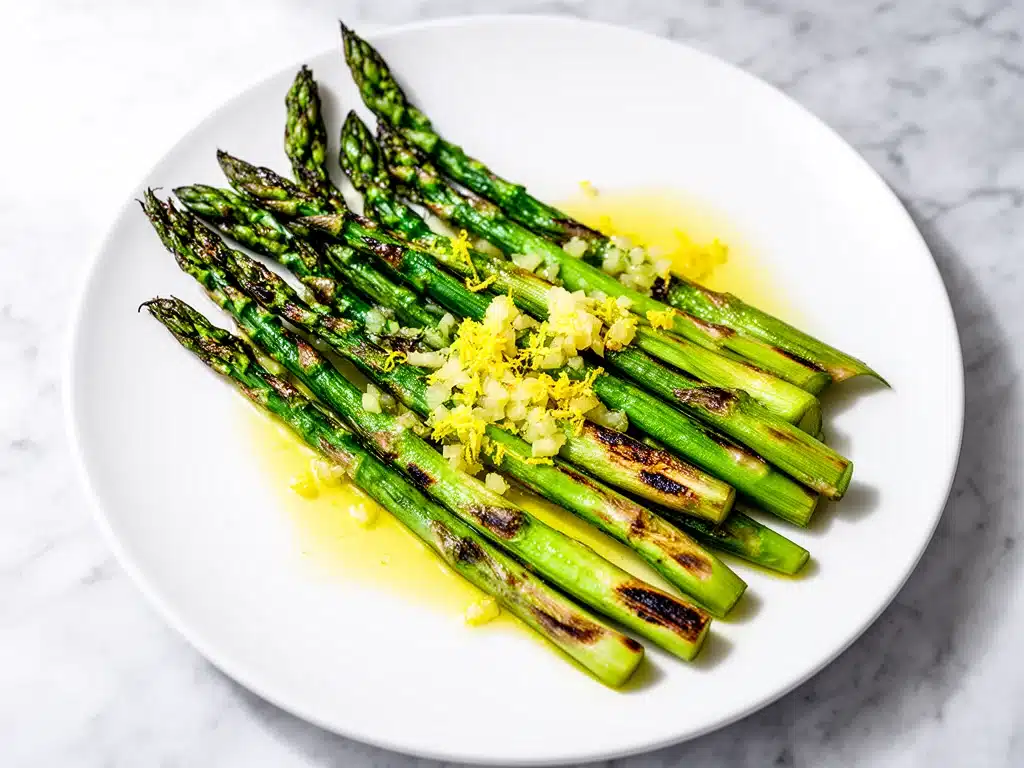
I’ve made this specific version of charred lemon garlic asparagus at least forty times in the last two years. Forty. It’s become my go-to whenever I need to add brightness to a heavy meal, or just because I want something green and crisp that doesn’t require babysitting. The trick isn’t in complicated techniques; it’s in the char. Getting those tips blackened just enough while keeping the stalks tender-crisp changes everything. Combined with bright lemon zest and plenty of garlic, it stops being a “vegetable side” and becomes the star of the plate.
If you’ve been staring at a bundle of asparagus wondering if you should roast it, steam it, or just eat it raw (please don’t eat it raw), stop overthinking. This is the only method you need. It’s fast, it’s forgiving, and it tastes like spring, even in the dead of winter.
Why You’ll Love This Charred Lemon Garlic Asparagus Recipe
Here’s the thing about asparagus: it’s incredibly low-maintenance, but it’s also easy to mess up. Steam it too long and it’s slimy. Roast it without enough heat and it’s limp. This method fixes all of that. Here’s why this specific approach to charred lemon garlic asparagus has earned a permanent spot in my weekly rotation:
- It cooks in under 10 minutes — Seriously. From washing the spears to plating, you’re looking at maybe 8 minutes of active time. I make this while the chicken is resting or while the rice is cooking. It doesn’t slow you down; it speeds up dinner.
- It actually tastes like asparagus — Steaming kills the flavor. Roasting at low temps makes it watery. Pan-searing or grilling at high heat caramelizes the natural sugars. This charred lemon garlic asparagus tastes nutty, sweet, and savory, not grassy or bland.
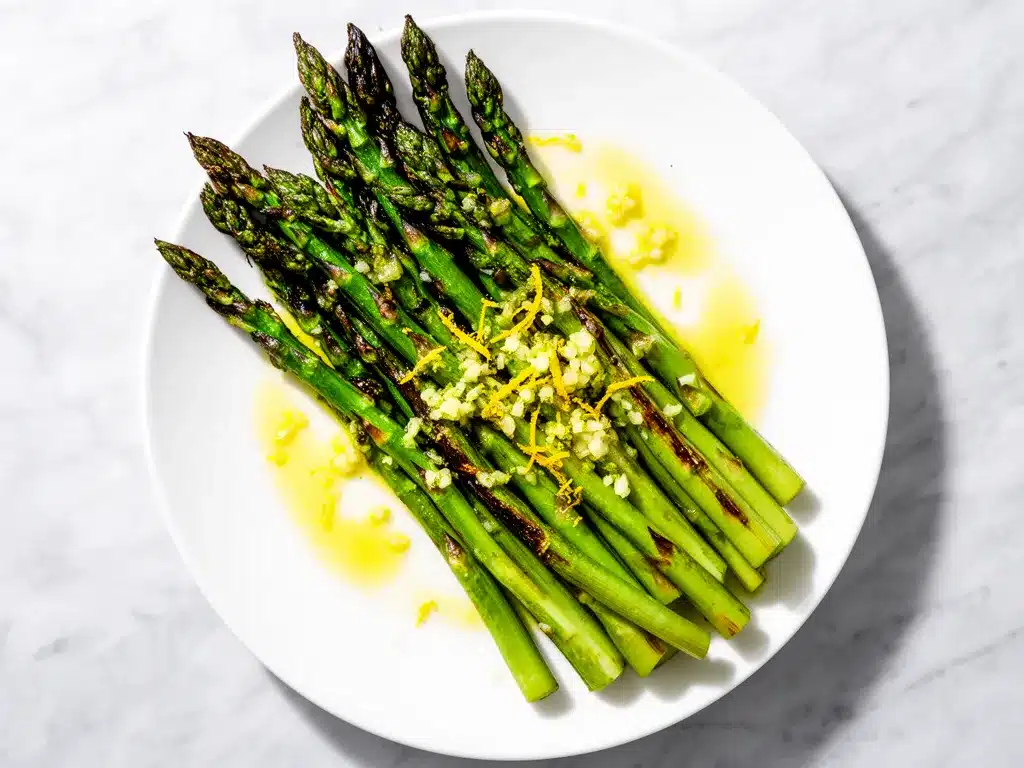
- It’s visually stunning with zero effort — There’s something about that dark char against the bright green stalks that just looks professional. You don’t need fancy plating skills. A quick sprinkle of flaky salt and lemon zest makes it look like you spent hours on it.
- It’s the perfect foil for rich foods — Asparagus is naturally slightly bitter and acidic. That cuts through fatty meats, creamy sauces, and heavy carbs. It’s the palate cleanser you didn’t know you needed. Think of it as the anti-potato.
- It’s incredibly versatile — You can eat it hot, warm, or even at room temperature. It holds up well on a buffet table (unlike many greens that wilt). It pairs with everything from my keto crispy air fryer chicken wings to a simple roasted salmon.
I’ve served this to my picky nephew, who refuses to eat anything green, and he actually went back for seconds. I’ve served it to food critics, and they nodded approvingly. It just works. No drama, no fuss, just delicious vegetables.
Ingredients You’ll Need
One of the best parts about this recipe is the short ingredient list. You probably have almost everything in your kitchen right now. This isn’t a recipe that requires a trip to three different specialty stores. Here’s what you need, and why the quality matters.
The Asparagus
Fresh asparagus spears (1.5 to 2 pounds / 700-900g) — This is the star, so quality matters. Look for spears that are bright green, firm, and have tight tips. If the tips are floppy or yellowing, skip them. Avoid canned or frozen asparagus for this recipe; the texture just won’t hold up to high-heat charring. I prefer medium-thick spears because they’re easier to handle, but thin spears work too—you’ll just cook them for a minute less.
The Fat & Flavor Base
Unsalted butter (2 tablespoons / 30g) — I use butter for the nutty, rich flavor it adds when it foams. It helps conduct the heat to the asparagus. You can use olive oil, but butter gives that classic restaurant-style finish. If you’re dairy-free, use a high-smoke-point oil like avocado oil.
Extra virgin olive oil (1 tablespoon / 15ml) — I add a little olive oil to the butter to raise the smoke point so the butter doesn’t burn as quickly. It also adds a fruity note that complements the lemon.
Garlic (4-5 cloves, minced / about 2 tablespoons) — Fresh garlic is non-negotiable here. Jarred garlic has a sulfurous, metallic taste that clashes with the delicate lemon. Mince it finely so it distributes evenly. If you’re sensitive to raw garlic, you can grate it instead of mincing—it disperses faster and feels less “chunky” in the mouth.
The Bright Finish
Lemon (1 large lemon) — You need both the zest and the juice. The zest provides the aromatic oils (that’s where the real lemon flavor is), and the juice adds acidity to balance the fat. Use a microplane for the zest if you have one; it gets all the yellow part without the bitter white pith.
Flaky sea salt (like Maldon) — I finish this with flaky salt because the crunch adds texture. Regular table salt will dissolve instantly and can make the dish too salty all at once. Flaky salt sits on top and hits your tongue in bursts. If you only have kosher salt, use it, but add it carefully.
Freshly cracked black pepper — Just a fresh crack. No need for pre-ground stuff.
Optional: Parmesan cheese (2 tablespoons, shaved) — Some people love a sprinkle of Parmesan on their asparagus. I’m not a huge fan because I want the lemon-garlic flavor to shine, but if you’re a cheese person, go for it. It adds a nice umami kick.
Equipment Needed
You don’t need fancy gadgets for this. Here’s what I actually use in my kitchen:
Large skillet or cast-iron pan — I prefer a 12-inch stainless steel or cast-iron skillet. It needs to be big enough to hold all the asparagus in a single layer. If you crowd the pan, the asparagus steams instead of chars. I’ve learned this the hard way with a tiny pan that resulted in mushy spears.
Vegetable peeler — This is crucial for prep. You need to peel the bottom inch or two of the stalks to remove the tough, fibrous outer layer. A sharp paring knife works too, but a peeler is faster and safer.
Microplane or fine grater — For the lemon zest. It makes zesting quick and easy.
Tongs — For tossing the asparagus in the pan. A spoon works, but tongs give you better control.
How to Make It: Step-by-Step
Alright, let’s get cooking. This process is simple, but there are a few tricks to get that perfect char without burning the garlic. I’m walking you through exactly how I do it.
Step 1: Prep the Asparagus (5 minutes)
Wash the asparagus and pat it completely dry. Moisture is the enemy of char. If the spears are wet, they’ll steam in the pan. Then, take your vegetable peeler and hold the spear at an angle. Starting from the bottom, peel away the tough outer skin of the stalk. Stop about halfway up or where the spear naturally becomes tender. This step is often skipped, but it makes a huge difference in texture. The bottom parts are woody and unpleasant if not peeled. Trim off the very bottom ends that are too dry or woody to eat—usually about 1-2 inches.
Step 2: Heat the Pan (2 minutes)
Place your large skillet over medium-high heat. Let it get good and hot before you add anything. This is where the char happens. Once the pan is hot, add the butter and olive oil. Swirl them around. You want the butter to melt and start to foam slightly. Don’t let it turn brown or burn. If it starts smoking too much, turn the heat down slightly.
Step 3: Sear the Asparagus (4-6 minutes)
Lay the asparagus spears in the pan in a single layer. If your pan is small, do this in two batches. Crowding is the #1 mistake people make. Press the spears down gently with tongs to ensure good contact with the pan. Let them cook undisturbed for 2 minutes. You want to see browning on the sides. Then, use tongs to turn the spears. Cook for another 2-3 minutes, turning occasionally, until the spears are tender-crisp and charred in spots. Thin spears will take less time; thick spears might take a minute longer. They should be bright green and easy to pierce with a fork but still have a slight snap.
Step 4: Add the Garlic (30 seconds)
This is the tricky part. Add the minced garlic now. Stir it quickly into the oil and butter, and toss the asparagus to coat. Garlic burns very quickly, so you only want to cook it for about 30-60 seconds until it’s fragrant. If you add it at the beginning, it will turn black and bitter before the asparagus is done. Keep the heat medium-high but watch closely. The smell should be amazing, not acrid.
Step 5: Finish with Lemon and Salt (1 minute)
Remove the pan from the heat immediately. This stops the cooking and prevents the garlic from burning further. Transfer the asparagus to a serving platter. While it’s still hot, squeeze the fresh lemon juice over everything. Then, use your microplane to grate the lemon zest directly onto the spears. The heat from the asparagus will release the oils in the zest. Finally, sprinkle generously with flaky sea salt and freshly cracked black pepper. Toss gently one last time to distribute the seasoning.
Total Time: About 10 minutes (5 minutes prep, 5 minutes cook time)
Expert Tips & Tricks
Here’s everything I’ve learned from making this dozens of times. These tips will save you from my past mistakes.
Don’t Skip the Peeling
I know it sounds tedious, but peeling the lower stalks is the secret to tender asparagus. The bottom third of the spear is fibrous and tough. If you don’t peel it, you’ll end up with a mouthful of stringy vegetable. Trust me on this.
Dry Spears = Better Char
After washing, dry the asparagus thoroughly with a paper towel or kitchen cloth. Any water left on the surface will create steam, and steam prevents browning. You want dry spears hitting a hot pan.
Garlic Goes in Last
I cannot stress this enough. Add the garlic in the last 30 seconds of cooking. If you add it with the oil at the start, it will burn and turn bitter, ruining the whole dish. Minced garlic cooks fast. Be vigilant.
Use High Heat, But Not High-Heat Smoke
You want the pan hot enough to sear, but not so hot that the butter burns. If your butter keeps smoking, lower the heat slightly or use more olive oil. You want golden char, not black charcoal.
Acid is Key
Don’t be shy with the lemon. Asparagus is earthy and can be slightly bitter. The acid from the lemon cuts through that and brightens the whole dish. Taste it before serving—if it tastes “flat,” it probably needs more lemon juice or salt.
Variations & Substitutions
Once you’ve nailed the basic version, here’s how you can mix it up. I’ve tried all of these, and they all work.
Roasted Version
If you don’t want to stand by the stove, you can roast this in the oven. Toss asparagus with oil, salt, and pepper. Roast at 425°F (220°C) for 12-15 minutes. Add the garlic and lemon juice in the last 2 minutes of roasting. The char won’t be as pronounced as pan-searing, but it’s easier and hands-off.
Grilled Asparagus
This works beautifully on a grill. Brush spears with oil, season, and grill over medium-high heat for 2-3 minutes per side. Add minced garlic in the last minute. The grill marks add a smoky flavor that’s fantastic. This pairs perfectly with my keto fudgy almond flour brownies if you’re doing a light dessert after a heavy grilled dinner.
Almond Crumble
Before serving, sprinkle toasted sliced almonds over the top. This adds a nice crunch and nutty flavor that complements the lemon. It’s a classic French touch.
Asparagus with Hollandaise
If you want to go all out, serve this with a drizzle of hollandaise sauce. It’s a bit indulgent, but it’s a classic combination for a reason. Great for brunch or Easter.
Dairy-Free Option
Skip the butter and use all olive oil or avocado oil. The flavor will be slightly different (less rich), but still delicious. Add a squeeze of extra lemon to compensate for the missing fat.
Gluten-Free & Vegan
This recipe is naturally gluten-free and vegan (if you skip the butter). It fits easily into most dietary preferences without modification.
Serving & Storage
How to Serve
I usually serve this hot, straight from the pan. It looks rustic and beautiful. I like to arrange the spears in a bundle on a platter, with the tips pointing in the same direction. It looks intentional and pretty. It pairs well with almost any protein—grilled chicken, seared salmon, steak, or even tofu.
Side Dish Pairings
Since this is a light, acidic side, it balances rich mains. I love it with roasted chicken, pan-seared fish, or my keto crispy air fryer chicken wings when I want something fresh to cut through the spice. It’s also great with gluten-free banana bread if you’re doing a brunch spread.
Storage
Leftovers of charred lemon garlic asparagus are… okay. It’s best eaten fresh. If you must store it, keep it in an airtight container in the fridge for up to 2 days. The asparagus will continue to cook slightly and become softer. Reheat gently in a skillet over low heat, or eat it cold—it’s actually quite good cold, like a salad.
Freezing
I don’t recommend freezing this dish. The texture of asparagus changes significantly when frozen and thawed—it becomes mushy. It’s not worth it. Make it fresh whenever you want it.
Nutrition Information
I’m not a nutritionist, but here’s the breakdown if you’re tracking. This is a low-carb, low-calorie side dish that’s packed with vitamins.
Per Serving (based on 4 servings):
- Calories: 95
- Protein: 4g
- Carbs: 6g
- Fiber: 3g
- Sugar: 3g
- Fat: 7g
- Saturated Fat: 3g
- Sodium: 120mg
What’s Good:
It’s high in fiber and vitamins A, C, and K. It’s very low in calories, making it a great addition to a weight-loss diet. The healthy fats from the butter and olive oil help with nutrient absorption.
What to Know:
It contains dairy (butter) unless you substitute oil. It’s naturally gluten-free. The sodium content is low, but add salt to taste.
My Take:
Look, this is a vegetable side dish. It’s healthy, but it’s also delicious because of the butter and lemon. It’s not a diet food, but it’s a nutrient-dense food that supports a healthy diet. Enjoy it without guilt!
Final Thoughts
So that’s my go-to charred lemon garlic asparagus! I know I’ve talked your ear off, but when you make a recipe this often, you have a lot to say about it. This dish has saved my dinner parties, my weeknight dinners, and my sanity. It’s my answer to “what’s for a side dish?” when I’m tired, don’t want takeout, and still want something that tastes really good.
Make it yours! Try different types of asparagus, adjust the garlic, or add those toasted almonds. The best recipes are the ones you adapt to your family’s tastes. If you make this, drop a comment and let me know what you think! I love hearing how recipes turn out in your kitchen. And if something doesn’t work, tell me that too—I’m here to help troubleshoot.
Happy cooking! And I hope your kitchen smells half as good as mine does right now.
Frequently Asked Questions
Q: How do I know when asparagus is done?
A: It should be bright green and tender-crisp. You should be able to pierce the thickest part of the spear with a fork, but it should still have a slight resistance. If it’s limp and floppy, it’s overcooked. If it’s hard to pierce, cook it longer. Thin spears cook faster than thick ones, so check them early.
Q: Can I use frozen asparagus?
A: I don’t recommend it for this recipe. Frozen asparagus is usually pre-blanched and has a softer texture. It won’t char well in the pan and can become mushy. If you must use frozen, thaw it completely and pat it very dry, but fresh is always better for this method.
Q: Why is my asparagus watery?
A: This usually happens if the pan was too crowded or the spears were wet when they hit the pan. Make sure you have enough space in the pan for a single layer. Also, dry the asparagus thoroughly after washing. If the pan is too crowded, steam the asparagus instead of searing it.
Q: Can I make this ahead of time?
A: It’s best made fresh, but you can prep the asparagus (wash and peel) a few hours ahead and store it in the fridge. Cook it right before serving. The garlic and lemon juice should be added after cooking to prevent the garlic from burning and the lemon from losing its brightness.
Q: What kind of asparagus should I buy?
A: Look for spears that are bright green, firm, and have tight, compact tips. Avoid spears with yellowing or floppy tips. Medium-thick spears are easiest to cook evenly, but thin spears work too. Purple asparagus is also delicious but tends to be sweeter and milder; it doesn’t char as darkly.
Q: Can I substitute butter with oil?
A: Yes! Use olive oil or avocado oil instead of butter. You’ll miss the nutty richness of browned butter, but the dish will still be delicious. This makes the recipe vegan and dairy-free.
Q: How do I store leftovers?
A: Store in an airtight container in the fridge for up to 2 days. Reheat gently in a skillet over low heat. The asparagus will be softer than when fresh, but still tasty. It’s also good cold as a salad ingredient.
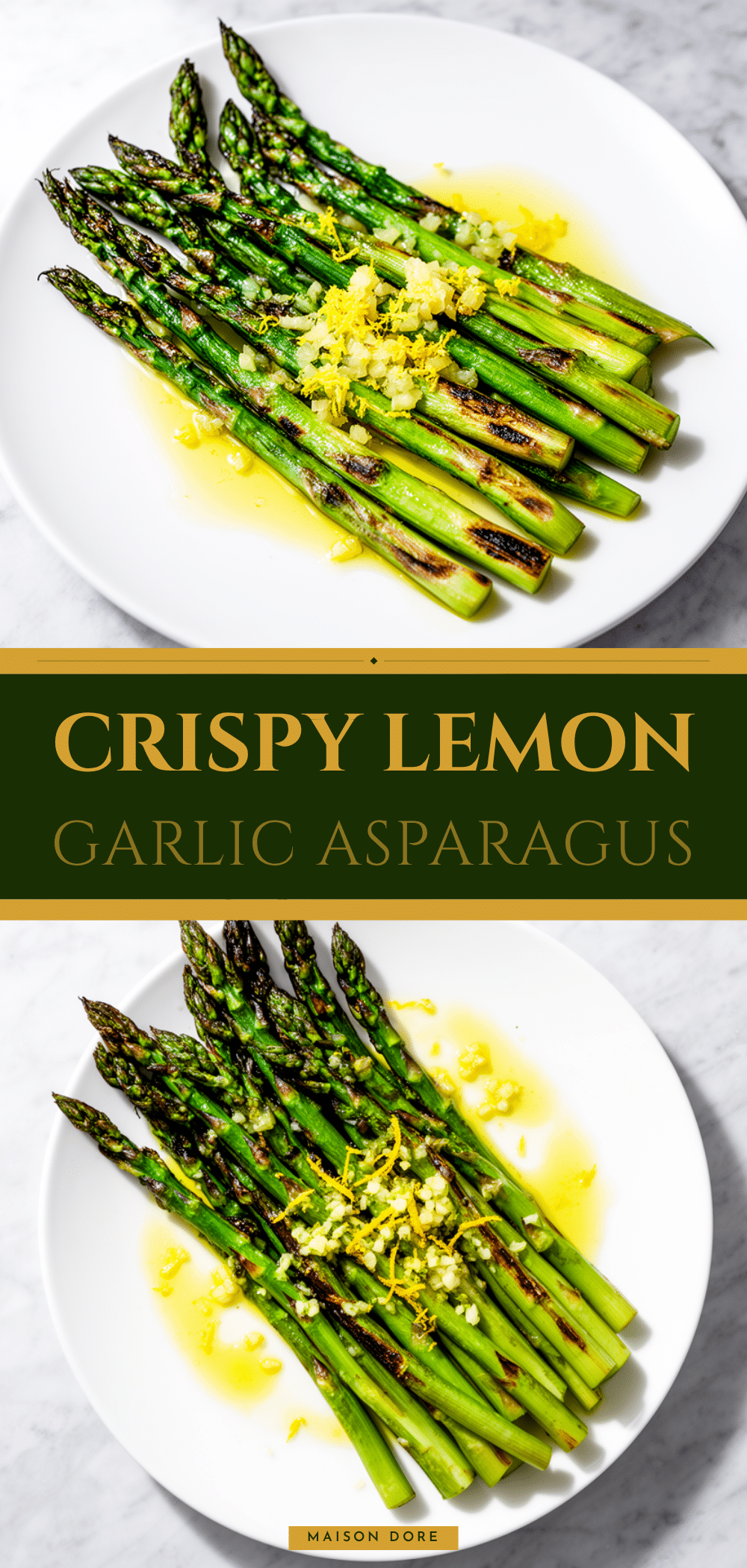
Pin This Recipe!
Charred Lemon Garlic Asparagus: 5-Minute Easy Side
- Total Time: 10 minutes
- Yield: 4 servings 1x
Description
A quick, elegant side dish featuring pan-seared asparagus with a nutty butter, bright lemon zest, and fragrant garlic. It cooks in under 10 minutes and provides a perfect balance of char and tenderness.
Ingredients
- 1.5 to 2 pounds fresh asparagus spears
- 2 tablespoons unsalted butter
- 1 tablespoon extra virgin olive oil
- 4–5 cloves garlic, minced
- 1 large lemon (zest and juice)
- Flaky sea salt (like Maldon)
- Freshly cracked black pepper
- Optional: 2 tablespoons shaved Parmesan cheese
Instructions
- Wash the asparagus and pat it completely dry. Peel the tough outer skin from the bottom inch or two of the stalks. Trim off the dry, woody bottom ends (about 1-2 inches).
- Place a large skillet over medium-high heat. Once hot, add the butter and olive oil, swirling to coat the pan. Let the butter melt and foam slightly without burning.
- Lay the asparagus spears in the pan in a single layer. Press down gently to ensure contact. Cook undisturbed for 2 minutes to allow browning.
- Turn the spears and cook for another 2-3 minutes, turning occasionally, until tender-crisp and charred in spots.
- Add the minced garlic to the pan and toss to coat. Cook for 30-60 seconds until fragrant, being careful not to burn the garlic.
- Remove the pan from the heat immediately. Transfer asparagus to a serving platter.
- Squeeze fresh lemon juice over the hot asparagus, then grate lemon zest directly on top.
- Sprinkle generously with flaky sea salt and freshly cracked black pepper. Toss gently to distribute seasoning.
Notes
Ensure asparagus is completely dry before cooking to promote charring rather than steaming. Add garlic in the last 30 seconds to prevent burning. For a dairy-free version, substitute butter with avocado oil. Do not freeze leftovers as texture will become mushy.
- Prep Time: 5 minutes
- Cook Time: 5 minutes
- Category: Side Dish
- Cuisine: American
Nutrition
- Serving Size: 1/4 of the batch
- Calories: 95
- Sugar: 3
- Sodium: 120
- Fat: 7
- Saturated Fat: 3
- Carbohydrates: 6
- Fiber: 3
- Protein: 4
Keywords: asparagus, lemon garlic asparagus, charred asparagus, quick side dish, healthy vegetables, gluten-free, vegan option, spring recipes


