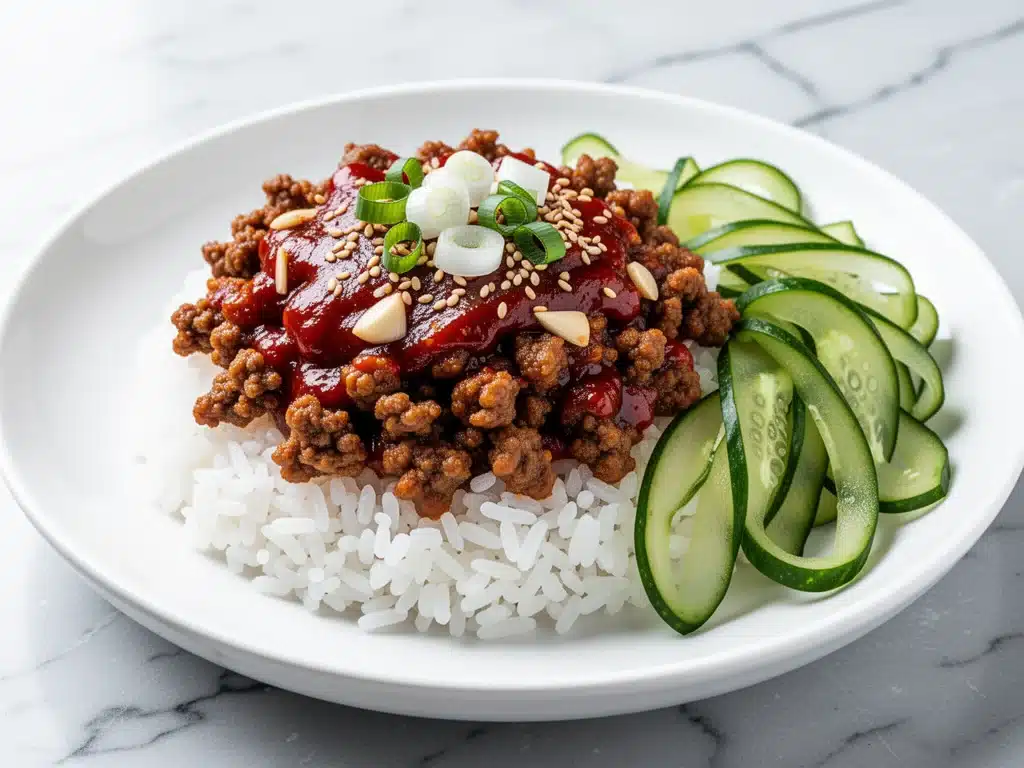
I have a confession to make. Three months ago, I was staring at the clock at 6:45 PM, panic rising in my chest because I knew I had to cook dinner in under 30 minutes, I had zero energy, and my kids were already whining about being hungry. I opened the fridge, saw a half-empty jar of gochujang, some ground beef, and a bag of rice, and thought, “This is it. This is how we eat tonight. Ugly, sad, and fast.”
But then I got curious. I remembered a bowl I’d eaten at a small spot in Seoul years ago—the kind of place where the table wobbles, the air is thick with garlic and chili, and the food hits you like a warm hug. I decided to try recreating it with what I had. I tossed the beef with the gochujang, a splash of soy, a little honey, and some sesame oil. I threw it over rice, topped it with a fried egg, and called it dinner.
It wasn’t just “okay.” It was incredible. The kids cleaned their plates. My husband asked for seconds. And I realized I had just stumbled onto the ultimate weeknight win. That night sparked a new tradition. Now, these Korean Gochujang Ground Beef Rice Bowls are on my rotation at least twice a month. They’re spicy, savory, sweet, and ready before you can even finish checking your email.
If you’ve ever felt that 5 PM dread, this recipe is your answer. It’s better than takeout, costs a fraction of the price, and uses ingredients you probably already have. I’ve tested this exact ratio of sauce to meat multiple times to ensure it’s perfect every single time. Let’s get cooking.
Why You’ll Love This Recipe
There are about ten reasons I keep coming back to these bowls, but here are the big ones that make them a staple in our house.
Stupid Simple — Seriously, if you can boil water and mix ingredients in a small bowl, you can make this. There’s no fancy technique, no complicated chopping, and no waiting for dough to rise. I’ve walked my teenage son through it over FaceTime while he was at college. He nailed it on the first try.
Lightning Fast — 20 minutes from start to finish, and only 10 of those are active cooking. I make this on weeknights when I get home at 7pm, exhausted from work. The beef cooks in minutes, and the sauce comes together while the rice steams.
Flavor Bomb — Most weeknight dinners taste like… well, weeknight dinner. This tastes like a restaurant. The gochujang provides a deep, fermented heat that’s complex and savory, not just hot. It’s addictive. I’ve served this to my foodie friends who claim to be “too picky” for simple meals, and they always ask for the recipe.
Pantry-Friendly — You probably have 80% of these ingredients already. The sauce is just gochujang, soy sauce, sesame oil, garlic, ginger, and a sweetener. These are staples I keep stocked so I can make this on a whim when the fridge is bare.
Makes Amazing Leftovers — Actually tastes better the next day. The flavors meld together overnight. I deliberately make extra for lunch throughout the week. It reheats beautifully in the microwave, becoming even more tender and flavorful.
Budget-Smart — Feeds 4 people for under $15. That’s less than one meal at a fast-food place, and it’s so much healthier. Ground beef is one of the cheapest proteins, and this recipe stretches it far because it’s served over rice with fresh toppings.
This is my go-to when I need dinner to just work. No complicated techniques, no weird ingredients, just reliable, delicious food that makes everyone happy.
Ingredients You’ll Need
Here’s the best part: you probably have most of this already. The magic here is in the sauce, so let’s talk about what goes into it.
Gochujang (3 tablespoons) — This is Korean fermented chili paste. It’s the star of the show. It’s thick, red, and has a complex flavor—spicy, sweet, and umami. If you’ve never used it, look in the Asian aisle of your grocery store. I use Sempio or Chung Jung One brands; they’re consistent. Don’t substitute sriracha or gochugaru (flakes)—they’re different things.
Ground Beef (1 pound / 450g) — I use 80/20 lean-to-fat ratio. The fat adds flavor and keeps the beef from drying out. You can use 90/10 if you prefer leaner, but it won’t be as juicy. Turkey or chicken works too, but beef is the classic choice.
Soy Sauce (2 tablespoons) — I use low-sodium soy sauce because gochujang is already salty. This lets you control the salt level. Coconut aminos work for a gluten-free option.
Sesame Oil (1 tablespoon) — Toasted sesame oil is non-negotiable. It adds that nutty aroma that makes Korean food taste like Korean food. Don’t use untoasted sesame oil here—it doesn’t have the same flavor.
Honey or Brown Sugar (1 tablespoon) — Honey adds a floral sweetness that balances the heat. Brown sugar works too and gives a deeper molasses note. I keep both on hand.
Garlic (4 cloves, minced / about 2 tablespoons) — Fresh garlic is essential. Jarred garlic has a metallic taste that doesn’t work in this delicate sauce. Mince it finely so it distributes evenly.
Fresh Ginger (1 teaspoon, grated) — Fresh ginger adds brightness and warmth. Grate it on a microplane for the smoothest texture. Ground ginger is too dusty and lacks the fresh kick.
Rice (2 cups uncooked / about 400g) — Short-grain Japanese rice (like Koshihikari) is ideal because it’s sticky and chewy. Jasmine rice works if that’s all you have, but the texture will be different. You can use cauliflower rice for a low-carb version, but cook it separately.
Green Onions (2 stalks, sliced) — For garnish. They add a fresh, sharp crunch that cuts through the rich beef.
Sesame Seeds (1 tablespoon, toasted) — For garnish. Toast them in a dry pan for 2 minutes until golden. It’s worth the extra minute for the nutty flavor.
Optional Add-ins:
– Fried Egg (1 per bowl) — Runny yolk makes the sauce richer. I love this.
– Shredded Carrots (½ cup) — Adds color and sweetness.
– Cucumber Slices (½ cup) — Cool and crisp, balances the heat.
– Kimchi (½ cup) — For extra tang and probiotics. If you like it spicy, this is a great addition.
Pro Tip: I always buy pre-minced garlic when I’m being lazy, but fresh tastes way better. If you’re making this regularly, mincing 4 cloves takes 30 seconds.
Equipment Needed
You don’t need fancy equipment for this. Here’s what I actually use.
Large Skillet or Wok — 12-inch works best. I prefer stainless steel or cast iron for even heating, but non-stick works too. A wok is great for tossing, but a skillet is fine.
Rice Cooker or Medium Pot — A rice cooker is foolproof, but I use a medium pot with a tight lid. It’s simpler and doesn’t take up counter space.
Small Bowl — For mixing the sauce. Any small bowl works.
Sharp Knife — For slicing green onions and mincing garlic. Dull knives make you cry more—learned this the hard way.
Measuring Spoons — Dollar store versions work fine. Accuracy matters for the sauce balance.
Wooden Spoon — For stirring the beef. Silicone works too. Don’t use metal on non-stick.
Optional but nice:
– Microplane — For grating ginger and garlic smoothly.
– Pestole — For crushing garlic if you don’t want to mince it.
How to Make It: Step-by-Step
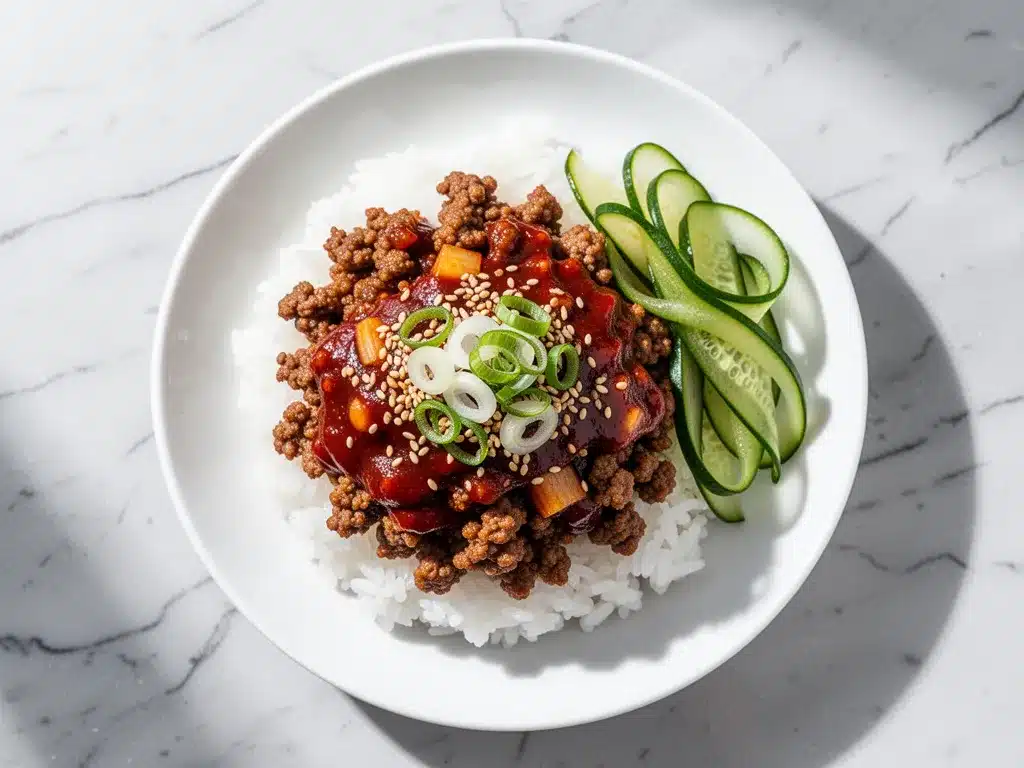
Alright, let’s make this! I’m walking you through exactly how I do it, including the little tricks I’ve picked up.
Step 1: Cook the Rice (15-20 minutes)
Start the rice first because it takes the longest. Rinse 2 cups of short-grain rice under cold water until the water runs clear. This removes excess starch and prevents gummy rice. Add the rice to a pot with 2 cups of water (or follow your rice cooker instructions). Bring to a boil, then reduce heat to low, cover, and simmer for 15-18 minutes. Remove from heat and let it sit, covered, for 5 minutes. Fluff with a fork. This timing is crucial—undercooked rice is crunchy, overcooked is mushy.
Step 2: Mix the Sauce (2 minutes)
While the rice cooks, whisk together 3 tablespoons gochujang, 2 tablespoons soy sauce, 1 tablespoon sesame oil, 1 tablespoon honey, 4 minced garlic cloves, and 1 teaspoon grated ginger in a small bowl. The sauce should be a thick, glossy paste. Taste it—it should be spicy, sweet, and savory. Adjust honey or soy sauce to your preference. This is the flavor foundation of the dish.
Step 3: Cook the Beef (5-7 minutes)
Heat a large skillet over medium-high heat. Add the 1 pound ground beef. Break it up with a wooden spoon as it cooks. Cook for 5-7 minutes, stirring occasionally, until browned and no longer pink. Don’t crowd the pan—if you’re cooking a lot, do it in batches. You want browning, not steaming. Drain any excess fat if there’s too much, but leave a little for flavor.
Step 4: Combine Beef and Sauce (2 minutes)
Reduce heat to medium-low. Pour the sauce mixture over the cooked beef. Stir well to coat every piece of meat. Let it simmer for 2 minutes, stirring frequently. The sauce will thicken and cling to the beef. It should look glossy and smell incredible. If it looks too thick, add a splash of water. If it’s too thin, let it cook for another minute.
Step 5: Assemble the Bowls (2 minutes)
Divide the rice among 4 bowls. Top each with a generous portion of the gochujang beef. Add your desired toppings: sliced green onions, toasted sesame seeds, a fried egg, shredded carrots, cucumber slices, or kimchi. The fried egg is my favorite—the runny yolk mixes with the spicy sauce for the best bite.
Total Time:
About 30 minutes (10 minutes active, 20 minutes mostly hands-off)
Built-in Troubleshooting:
– Sauce too spicy? Add more honey or a splash of water to dilute.
– Sauce too thick? Add a tablespoon of water at a time until it coats the beef nicely.
– Beef dry? You cooked it too long or used too lean beef. Next time, use 80/20 and don’t overcook.
Expert Tips & Tricks
Here’s everything I’ve learned from making this dozens of times. These tips will save you from my mistakes.
Toast Your Sesame Seeds
This is the #1 tip. Raw sesame seeds are bland. Toast them in a dry pan for 2 minutes until golden and fragrant. It adds a nutty depth that elevates the whole dish. I keep a small jar of toasted sesame seeds on my counter for this reason.
Don’t Skimp on Ginger
Fresh ginger is not optional. It adds a bright, spicy note that balances the heavy gochujang. Grate it finely so it disperses evenly. If you use ground ginger, the flavor is flat and dusty.
High Heat for Beef
Cook the beef on medium-high heat to get a good sear. If you cook it on low, it steams in its own juices and becomes gray and mushy. You want browned, flavorful bits.
Room Temperature Sauce
If your gochujang is cold from the fridge, it can clump. Let it sit out for 10 minutes before mixing. Or warm the honey and soy sauce slightly to make it easier to whisk. Cold sauce can seize up in the hot beef.
Common Mistakes (and how to avoid them):
Mistake: Rice is sticky and gummy
Fix: Rinse the rice thoroughly before cooking. This removes surface starch. Also, don’t stir the rice while it’s cooking—it releases more starch and makes it gluey.
Mistake: Sauce is too salty
Fix: Use low-sodium soy sauce and gochujang, which is already salty. Taste the sauce before adding it to the beef. You can always add more, can’t take it away.
Mistake: Beef is dry
Fix: Don’t overcook. Ground beef cooks fast. As soon as it’s browned, add the sauce. The sauce will keep it moist.
Pro Tricks I’ve Learned:
For Restaurant-Quality Finish
Add a drizzle of sesame oil right before serving. It adds a fresh nutty aroma that cooking doesn’t preserve.
For Extra Flavor
Add a teaspoon of rice vinegar to the sauce. It adds acidity that balances the sweetness and heat. It’s a secret ingredient I learned from a Korean chef.
For Better Texture
Top with a fried egg with a runny yolk. It’s like adding a rich sauce on top. Fry it sunny-side up and cook until the white is set but the yolk is still liquid.
Variations & Substitutions
Once you’ve nailed the basic version, here’s how you can mix it up. I’ve tried all of these.
Turkey Version
Swap ground beef for ground turkey. It’s leaner and lighter. I add an extra tablespoon of sesame oil to compensate for the lack of fat. My health-conscious sister prefers this.
Chicken Version
Use ground chicken thighs for more flavor. Thighs are juicier than breasts. Cook it the same way. It’s a bit milder, so you might want to add an extra teaspoon of gochujang.
Vegetarian Version
Skip the meat and use crumbled tofu or tempeh. Press the tofu first to remove moisture. Cook it until crispy, then add the sauce. Add extra vegetables like mushrooms for umami. My vegetarian friend loves this version.
Low-Carb Version
Use cauliflower rice instead of regular rice. Sauté the cauliflower rice with a little butter and garlic before serving. It’s not the same texture, but it works if you’re watching carbs. I make this when I’m trying to be “healthy.”
Spicy Version
Add an extra tablespoon of gochujang and a pinch of gochugaru (Korean chili flakes). It’s for heat seekers. I make this when I want a real kick.
Mushroom Lover’s
Sauté 8oz sliced mushrooms with the beef. Cook until golden brown. Adds earthiness and makes it feel fancier. I use this when I want a meatless meal but still want richness.
Lemon Garlic
Add zest of 1 lemon and 2 tablespoons lemon juice at the end. Brightens everything up. Great for summer.
Serving & Storage
How to Serve:
“I usually serve this straight from the skillet at the dinner table—it looks rustic and stays warm. But here are other ways I’ve enjoyed it:”
Side Dishes:
– Simple green salad with sesame dressing
– Steamed broccoli with garlic
– Kimchi (if you’re not adding it to the bowl)
– Cucumber salad with rice vinegar
Toppings Bar:
When I have guests, I put out: extra gochujang, sesame seeds, green onions, fried eggs, shredded carrots, kimchi. Everyone customizes their bowl.
Wine Pairing:
Not a wine expert, but my wine-snob friend says a crisp Riesling or a cold beer (like a Korean lager) works great with this.
Storage Instructions:
Refrigerator:
Store in an airtight container for up to 4 days. The sauce will thicken in the fridge—totally normal.
Reheating:
Best method: Add to a skillet with a splash of water or broth over low heat. Stir until heated through and creamy again.
Microwave method: Heat in 30-second intervals, stirring between. Add a splash of water if it’s too thick.
Never works: Trying to reheat in the pot you cooked it in. It always burns on the bottom. Ask me how I know.
Freezing:
Honestly, this freezes well! The beef and sauce freeze beautifully for up to 3 months. Thaw in the fridge overnight and reheat in a skillet. The rice doesn’t freeze as well—it gets grainy. Cook rice fresh when reheating.
Meal Prep:
Make the sauce and beef on Sunday, store in the fridge. Cook rice fresh each night. Takes 10 minutes and tastes way better than fully reheated rice.
Nutrition Information
I’m not a nutritionist, but here’s the breakdown if you’re tracking.
Per Serving (based on 4 servings, with rice and toppings):
– Calories: 480
– Protein: 28g
– Carbs: 52g
– Fiber: 2g
– Sugar: 6g
– Fat: 18g
– Saturated Fat: 6g
– Cholesterol: 75mg
– Sodium: 620mg
– Calcium: 80mg
What’s Good:
– High protein from beef and eggs
– Balanced meal with carbs and veggies
– Can add vegetables to boost nutrition
– More filling than it looks
What to Know:
– Higher in sodium from soy sauce and gochujang
– Contains dairy (if using egg) and gluten (soy sauce)
– Moderate calories from rice and beef
My Take:
“Look, this is comfort food. It’s not a diet recipe. But it’s way better than takeout, costs less, and I know exactly what’s in it. When I want to make it lighter, I use the turkey version and cauliflower rice. But usually? I just eat a reasonable portion and enjoy it.”
Dietary Notes:
– Contains: gluten, dairy, sesame
– Can be made: gluten-free (use tamari), vegetarian, low-carb
– Not suitable for: vegan (without modifications), dairy-free (without egg)
Final Thoughts
So that’s my go-to Korean Gochujang Ground Beef Rice Bowls! I’ve probably talked your ear off at this point, but when you make a recipe this often, you have a lot to say about it.
This has saved weeknight dinners more times than I can count. It’s my answer to “what’s for dinner” when I’m tired, don’t want takeout, and still want something that tastes really good. My kids are happy, my husband’s happy, and I’m happy because I’m not stressed about cooking.
Make it yours! Try different add-ins, swap in your favorite vegetables, adjust the spice level. The best recipes are the ones you adapt to your family’s tastes.
If you make this, drop a comment and let me know what you think! I love hearing how recipes turn out in your kitchen. And if something doesn’t work, tell me that too—I’m here to help troubleshoot.
Happy cooking! And I hope your kitchen smells half as good as mine does right now.
Frequently Asked Questions
Q: Can I use sriracha instead of gochujang?
A: You can, but the flavor will be very different. Gochujang is fermented, thick, and has a deep umami flavor. Sriracha is vinegar-based and thinner. If you must use sriracha, add a tablespoon of tomato paste and a teaspoon of soy sauce to mimic the thickness and depth. But honestly, gochujang is worth buying. It’s a staple now.
Q: My sauce came out too spicy—what happened?
A: Gochujang varies in heat between brands. Some are mild, some are fiery. If it’s too spicy, add more honey or brown sugar to balance it. You can also add a splash of water or broth to dilute it. Next time, start with 2 tablespoons of gochujang and add more to taste.
Q: Can I make this ahead for a dinner party?
A: Sort of. Make the sauce and cook the beef up to 2 days ahead and store in the fridge. Cook the rice fresh right before serving (takes 15 minutes). Reheat the beef gently and toss with hot rice. It won’t be quite as good as fresh, but it’s close and saves you stress during the party. I do this all the time.
Q: Why did my rice turn out gummy?
A: You probably didn’t rinse it enough. Rinsing removes surface starch that makes rice sticky. Also, don’t stir the rice while it’s cooking—it releases more starch. Let it rest for 5 minutes after cooking before fluffing.
Q: Can I use jasmine rice instead of short-grain rice?
A: You can, but the texture will be different. Jasmine rice is fluffier and less sticky. Short-grain rice is chewy and clings together, which is traditional for bowls. If you use jasmine, you might need more sauce to coat it.
Q: How do I reheat leftovers without it getting dry?
A: Add a splash of water or broth to a skillet, add your leftover rice and beef, and heat gently over low heat, stirring frequently. The extra liquid brings back the creamy texture. Microwave sort of works but tends to dry it out. If you do microwave, definitely add a splash of water first and heat in short bursts, stirring between.
Q: Can I double this recipe?
A: Absolutely! Double everything and use your biggest skillet. The cooking times stay the same. I do this when I’m meal-prepping or feeding a crowd. Just make sure your skillet is big enough for the beef—you might need to cook it in batches.
Q: Is gochujang spicy?
A: It’s moderately spicy. It’s more about the fermented chili flavor than pure heat. If you’re sensitive to spice, start with 2 tablespoons and add more to taste. You can also mix it with a little ketchup or mayo to tone it down.
Pin This Recipe!
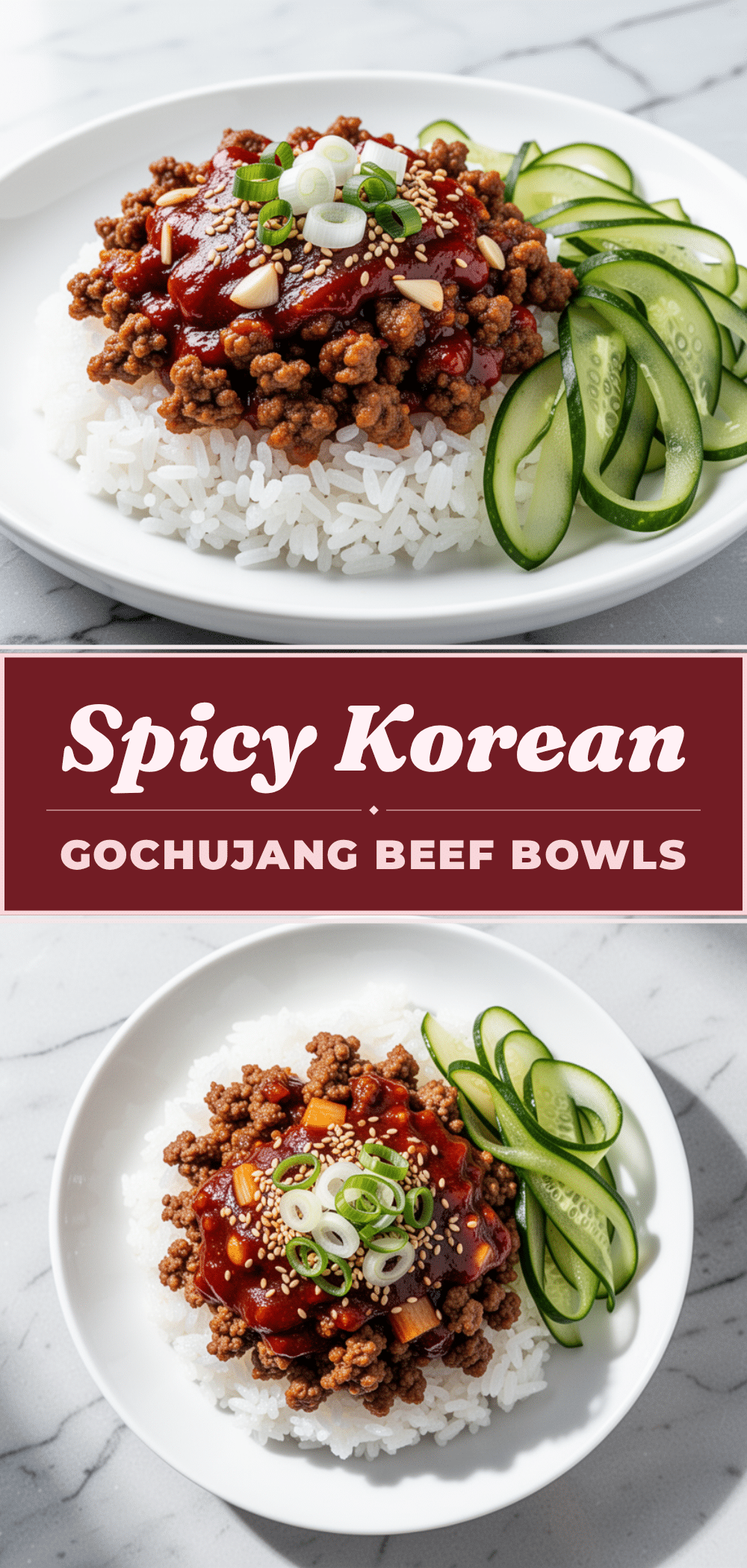
Korean Gochujang Ground Beef Rice Bowls
- Total Time: 30 minutes
- Yield: 4 servings 1x
Description
A spicy, savory, and sweet weeknight dinner ready in 30 minutes. This easy recipe features ground beef tossed in a homemade gochujang sauce, served over rice with optional toppings like fried eggs and kimchi.
Ingredients
- 3 tablespoons Gochujang (Korean fermented chili paste)
- 1 pound (450g) Ground Beef (80/20 lean-to-fat ratio)
- 2 tablespoons Soy Sauce (low-sodium)
- 1 tablespoon Sesame Oil (toasted)
- 1 tablespoon Honey or Brown Sugar
- 4 cloves Garlic (minced)
- 1 teaspoon Fresh Ginger (grated)
- 2 cups Short-grain Japanese Rice (uncooked)
- 2 cups Water (for rice)
- 2 stalks Green Onions (sliced, for garnish)
- 1 tablespoon Sesame Seeds (toasted, for garnish)
- Optional: Fried Egg, Shredded Carrots, Cucumber Slices, Kimchi
Instructions
- Rinse 2 cups of short-grain rice under cold water until clear. Add to a pot with 2 cups of water, bring to a boil, then reduce heat to low, cover, and simmer for 15-18 minutes. Remove from heat and let sit covered for 5 minutes, then fluff with a fork.
- In a small bowl, whisk together 3 tablespoons gochujang, 2 tablespoons soy sauce, 1 tablespoon sesame oil, 1 tablespoon honey, 4 minced garlic cloves, and 1 teaspoon grated ginger until smooth.
- Heat a large skillet over medium-high heat. Add the ground beef and break it up with a wooden spoon. Cook for 5-7 minutes until browned and no longer pink. Drain excess fat if desired.
- Reduce heat to medium-low. Pour the sauce mixture over the cooked beef. Stir to coat and simmer for 2 minutes until the sauce thickens and clings to the meat. Add a splash of water if too thick.
- Divide the cooked rice among 4 bowls. Top each with the gochujang beef and desired toppings such as green onions, sesame seeds, fried eggs, carrots, cucumber, or kimchi.
Notes
Toast sesame seeds in a dry pan for 2 minutes until golden for best flavor. Use low-sodium soy sauce to control salt levels. For a vegetarian version, substitute beef with crumbled tofu or tempeh. For low-carb, use cauliflower rice. The sauce can be adjusted by adding more honey for sweetness or water to dilute heat.
- Prep Time: 10 minutes
- Cook Time: 20 minutes
- Category: Main Course
- Cuisine: Korean
Nutrition
- Serving Size: 1 bowl per person
- Calories: 480
- Sugar: 6
- Sodium: 620
- Fat: 18
- Saturated Fat: 6
- Carbohydrates: 52
- Fiber: 2
- Protein: 28
Keywords: Korean, Gochujang, Ground Beef, Rice Bowls, Weeknight Dinner, Easy Recipe, Spicy, Asian, Meal Prep


